
Construction, Engineering
Top 16 Skills Every Construction Project Engineer Must Have to Succeed in 2026

Jan
A construction project engineer plays a crucial role in ensuring that projects are completed on time, within budget, and to the highest standards. With the construction world evolving rapidly, engineers must adapt to new tools, methods, and regulations. As deadlines shorten and client expectations rise, having the right set of skills is essential for success. The top skills for a construction project engineer help tackle challenges, boost efficiency, and ensure safety on site. Whether it’s managing a team, sticking to budgets, or solving problems in real time, these skills make the difference between success and failure.
How Project Engineer Skills Evolve with Experience
Just as a set of blueprints becomes more complex as a project progresses, the skillset for a construction project engineer changes as their career advances. While the fundamentals are important at every stage, the focus and depth of skill required shift from hands-on technical know-how to big-picture strategic thinking.
Building Your Foundation: Early Career
For those fresh on the jobsite, technical knowledge is king. Entry-level project engineers thrive by mastering the nuts and bolts—engineering basics, safety standards, and the ins and outs of key tools like AutoCAD or Revit. They become quick problem-solvers, solving real-world puzzles daily. Clear communication is essential from day one, ensuring that instructions and ideas don’t get lost in translation—whether it’s clarifying a specification for a concrete pour or explaining a plan to a subcontractor.
At this stage, a knack for teamwork and a willingness to learn from seasoned pros set the stage for a strong career ahead.
Stepping Up: The Mid-Level Sweet Spot
As engineers gain experience, their toolbelt expands. Project management takes center stage—think scheduling with Microsoft Project, budget tracking, and juggling resources on the fly. The ability to lead a crew, coordinate across departments, and keep everyone moving in the same direction becomes vital.
Here, communication shifts from just explaining the “what” to guiding the “how.” Negotiating with suppliers, managing contracts, and anticipating risk become regular parts of the day. The mid-level engineer becomes the bridge, translating field data into executive decisions and ensuring both sides are in sync.
The Big Picture: Senior Leadership
At the senior level, it’s all about strategy. Senior project engineers oversee entire sites, sometimes multiple at once, making decisions that affect the bottom line and the company’s reputation. They move beyond the daily details to focus on strategic planning, financial oversight, and mentoring the next wave of engineers.
Leadership is non-negotiable—senior engineers inspire confidence, steer teams through changes, and are ready to adjust course when unexpected storms hit. Navigating complex stakeholder relationships and ensuring projects align with long-term business goals become second nature.
Each stage of a project engineer’s career builds upon the last, layering new responsibilities and deeper expertise. Whether you’re working your way through punch lists or pitching a proposal to the board, a focus on growing your skillset will ensure you stay ahead in a fast-moving industry.
Key Skills for Mid-Level Project Engineers
At the mid-level, project engineers need to go beyond technical know-how and focus on skills that let them take the helm on more complex parts of a job. It’s time to sharpen your project management toolkit—think scheduling, budgeting, and making the most out of every resource you’ve got.
Leadership becomes a bigger part of your day-to-day. Whether you’re guiding a small crew or handling a specific piece of a larger project, understanding what motivates a team (and how to keep everyone rowing in the same direction) matters more than ever.
Risk management is another area to master. Spotting potential trouble early and putting solid plans in place can save weeks of headaches down the road. Contract negotiation also moves to the forefront—being able to talk terms with suppliers and navigate the fine print is a huge asset.
Finally, communication skills are essential. As a mid-level engineer, you’ll often act as the go-between for your team and upper management, translating technical details into clear, actionable steps for everyone involved. By honing these areas, mid-level project engineers can handle greater responsibility and set themselves up for long-term success.
Key Skills for Entry-Level Project Engineers
Stepping into the role of a project engineer for the first time can feel like learning a new dance while the music is already playing. While there’s plenty to master with experience, there are a few foundational skills every beginner should bring to the construction site:
- Grasp of the Basics: A solid understanding of core engineering principles is non-negotiable. This means knowing the science behind how things stand up, why materials behave the way they do, and how construction methods affect safety and quality.
- Tech Savvy: Familiarity with industry-standard software—think AutoCAD for drafting, Primavera P6 for scheduling, and even Excel for tracking resources—gives you a leg up on day one.
- Problem-Solving Mindset: Issues arise faster than concrete can dry. Being able to analyze unexpected challenges and brainstorm workable solutions is key.
- Clear Communication: Whether you’re relaying structural details to the crew or presenting updates to management, clear and concise communication keeps everyone rowing in the same direction.
- Team Player: Construction is a team sport. Your ability to collaborate, offer support, and learn from others builds trust and keeps projects humming along.
- Understanding Quality and Safety: Knowing how to spot hazards, follow safety protocols, and meet quality standards is critical—not just for compliance, but for keeping everyone safe.
With these building blocks, new project engineers set themselves up to grow, adapt, and succeed no matter how the construction landscape shifts.
Below are the top 14 skills every construction project engineer needs to succeed in 2026.
1. Strong Communication
A construction project engineer must speak and write clearly. They explain plans to teams, clients, and suppliers. Good communication avoids costly mistakes.
They must adjust their message for different people. What works for a supplier may not work for a client. Clear updates help avoid confusion. Good reports help decision-making. Strong communication also helps with conflict. Misunderstandings can delay work. When an engineer listens well and speaks clearly, problems get solved faster.
On engineering and construction sites, clear instructions can prevent accidents. Crews need to understand what to do, when to do it, and how. Poor instructions lead to errors, delays, or injuries. A construction project engineer who gives clear steps keeps the job site safe and productive.
Communication also means good listening. When workers raise issues or share ideas, the engineer should pay attention. That feedback can lead to better ways of doing things.
Emails, calls, drawings, and face-to-face talks all matter. In construction engineering and management, each message must be clear and on point. Every strong team starts with strong communication.
Cultural Intelligence
Cultural intelligence means understanding and working well with people from different backgrounds. Construction project engineers often find themselves on teams with workers, clients, or partners from around the world. Knowing how to respect local customs, languages, and ways of working helps avoid misunderstandings and builds trust.
When a project engineer has strong cultural intelligence, they spot small differences—like how feedback is given or decisions are made—that can matter a lot. They adjust their approach, whether they’re talking with an architect in Tokyo or a supplier in Rio. This respect keeps teams united and projects running smoothly.
Ignoring cultural cues can lead to miscommunication or even offense. But when an engineer values every perspective, the whole team benefits. Diverse crews often bring fresh ideas and solve problems better. Being culturally aware isn’t just polite—it’s a crucial part of leading successful projects in today’s global construction industry.
How to Develop Soft Skills as a Construction Project Engineer
Soft skills are just as important as technical know-how for any construction project engineer. The best way to strengthen these skills is to get hands-on experience wherever possible. For example, volunteering to lead small team meetings or coordinate with different crews offers a great way to practice communication and leadership.
Here are a few practical strategies:
- Join Cross-Functional Projects: Working with teams from various backgrounds helps you adapt your communication style and teaches you the value of teamwork.
- Ask for Feedback: Regularly checking in with both coworkers and supervisors can reveal blind spots and open the door for improvement.
- Tackle Team Challenges: Step up whenever problem-solving opportunities arise—working through real-world issues together builds both confidence and trust.
- Attend Relevant Workshops: Consider short courses or industry events focused on emotional intelligence, negotiation, or conflict resolution (think places like PMI or even local community colleges).
- Reflect on Your Experience: After each project or major milestone, take a few moments to consider what went well and what could have been handled better, especially when it comes to working with others.
Improving soft skills is an ongoing process. Each interaction—whether it’s with your crew, clients, or suppliers—is an opportunity to grow. Focus on clarity, empathy, and being open to learning from every project.
2. Project Planning
Planning is key in construction engineering and management. Engineers must break down big jobs into smaller tasks. This keeps work on track.
A good construction project engineer starts with clear goals. They set timelines, assign tasks, and list what materials and tools are needed. A solid plan helps avoid delays and waste.
Every engineering construction project has many moving parts. Crews, machines, and deliveries must work in sync. Planning brings all these parts together. It also helps when things change. Weather, late supplies, or design changes can throw off the schedule. A strong plan helps adjust fast.
Planning also includes permits, site access, and safety steps. Missing these can stop work or lead to fines. A skilled engineer knows how to prepare for these early.
Using tools like Gantt charts or scheduling software helps manage timelines. These tools show what needs to be done and when. In construction engineering and management, a clear plan means fewer surprises.
Advanced Project Management Techniques
Construction project engineers need more than basic planning—they need to master advanced management methods to keep projects on track. Today’s best engineers use systems like Agile, Scrum, and Kanban to organize work, spot blockers early, and react fast to changes. These methods let teams adjust quickly when the plan shifts, helping everyone keep moving, even when surprises pop up.
It’s not just about having a method, though. Engineers must be comfortable with digital tools—think Microsoft Project, Primavera P6, or Trello. These platforms turn complex schedules into clear timelines, track tasks in real time, and flag issues before they grow.
When a project engineer can apply these techniques and tools well, they coordinate teams, manage shifting deadlines, and deliver quality results—even when challenges arise. That’s how skilled engineers finish jobs on budget and ahead of schedule.

A well-planned job saves time, money, and stress. For any construction and engineering team, smart planning is the start of smart building.
3. Time Management
A construction project engineer must meet tight deadlines. Delays cost money. Good time skills keep jobs moving.
Every engineering construction job has a set timeline. Miss one deadline, and the whole project can fall behind. This can lead to extra costs, rushed work, and unhappy clients. That’s why time management is a must in construction engineering and management.
A skilled engineer breaks the project into daily, weekly, and monthly goals. They track progress and adjust when needed. If one team is behind, they shift resources or change the schedule to stay on course.
Time management also means setting the right pace. Rushing leads to mistakes. Going too slow wastes time and money. A good construction project engineer finds the balance.
Digital tools help with this. Many engineers now use scheduling apps, project trackers, or time logs. These tools give real-time updates and help spot delays early.
Meetings, check-ins, and daily reports also help. These keep everyone aware of what needs to be done next. On engineering and construction sites, time is money—and managing it well is the engineer’s job.
4. Technical Know-How
Engineers must understand construction and engineering tools. They must read blueprints, use CAD software, and know building codes.
A construction project engineer works with both people and machines. They need to know how things fit together—from the design to the final build. That includes materials, structural systems, and site layout. Without strong technical skills, mistakes happen fast.
In engineering construction, plans must be accurate. The engineer must check dimensions, specs, and codes. They must spot errors before they turn into costly problems.
Tech tools play a big role too. Most construction engineering and management jobs now use software like AutoCAD, Revit, or BIM. These tools help create and review 3D models, schedules, and material lists. A skilled engineer knows how to use these tools to make better decisions.
They also need to know the latest construction methods. This includes green building, modular construction, and smart systems. Clients now expect modern, efficient solutions.
In short, technical know-how connects the plan to the build. On engineering and construction projects, this skill keeps work safe, legal, and on track.
Key Tools and Software for Project Engineers
Today, technical know-how goes hand in hand with mastering the right tools. Project engineers rely on a mix of software and tech to streamline every part of a build. Knowing what to use—and when—makes a big difference.
Most project engineers should be comfortable with:
- CAD Programs: Tools like AutoCAD or SolidWorks help create and edit detailed plans and blueprints.
- BIM Software: Programs such as Revit or Navisworks allow teams to build and review 3D models, spot clashes, and coordinate between trades.
- Project Management Platforms: Tools like Microsoft Project, Primavera P6, or Procore keep schedules, budgets, and team communication in sync.
- Scheduling Tools: Gantt chart apps or digital planners—sometimes built into management platforms—are essential for mapping deadlines and shifting plans as projects change.
- Cost Estimation Tools: Software like Sage Estimating or Bluebeam helps track spending, forecast budgets, and avoid overruns.
- Quality and Safety Apps: Field management tools, inspection apps, and checklists ensure everything meets the right standards and safety codes.
- Document Control: Keeping drawings, specs, and change orders organized and accessible—often with cloud-based solutions—saves time and reduces errors.
Getting the most out of these tools takes practice, but they are now a must on any modern engineering construction job. The right tech keeps work moving, tracks every detail, and helps everyone stay on the same page—whether in the office or out on site.
Useful Certifications for Construction Project Engineers
Certifications give project engineers an edge in today’s competitive construction and engineering world. Earning a few key credentials shows you’re committed to your craft—and that you know your stuff.
Some popular certifications for construction engineers include:
- Project Management Professional (PMP): Offered by PMI, this is a gold standard for anyone managing big projects. It covers best practices in planning, budgeting, and team leadership.
- Certified Associate in Project Management (CAPM): Also from PMI, this one is great for those early in their careers and shows you have a strong grasp of project management basics.
- Engineer-in-Training (EIT) or Fundamentals of Engineering (FE): For those on the path to professional engineering (PE) licensure, this is a must-have step.
- LEED Accredited Professional (LEED AP): Construction is getting greener. LEED credentials from the U.S. Green Building Council show you understand sustainable building standards.
- OSHA Safety Certification: Safety is a core part of engineering construction jobs. OSHA 30-Hour or similar courses prove you put safety first on every site.
Other certifications—like Six Sigma, Certified Construction Manager (CCM), and scheduling software certificates—can also boost your skillset. The right mix depends on your specialty and career goals.
In the end, staying certified helps you keep up with industry changes and build trust with clients, crews, and managers. In construction engineering and management, smart training means smarter teams.
5. Budget Control
Every engineering construction job has a budget. Engineers must track costs and avoid waste. This protects profits and builds trust.
A construction project engineer must know what things cost—materials, labor, equipment, and transport. They create cost estimates and compare them to real spending. When costs rise, they must act fast to fix it.
Budget control starts early. Before work begins, engineers help plan the budget. They work with the construction project manager to set cost limits. As the job moves forward, they track each purchase and expense.
Good budget control helps prevent delays. When money runs out, work stops. That’s why strong cost tracking is vital in construction engineering and management.
Engineers use software like Excel, Procore, or Buildertrend to track expenses. These tools give live updates. They show when spending goes off track. With this info, engineers can cut waste or find cheaper options.
On engineering and construction jobs, every shilling counts. Budget control also means avoiding fraud, checking supplier prices, and reviewing invoices.
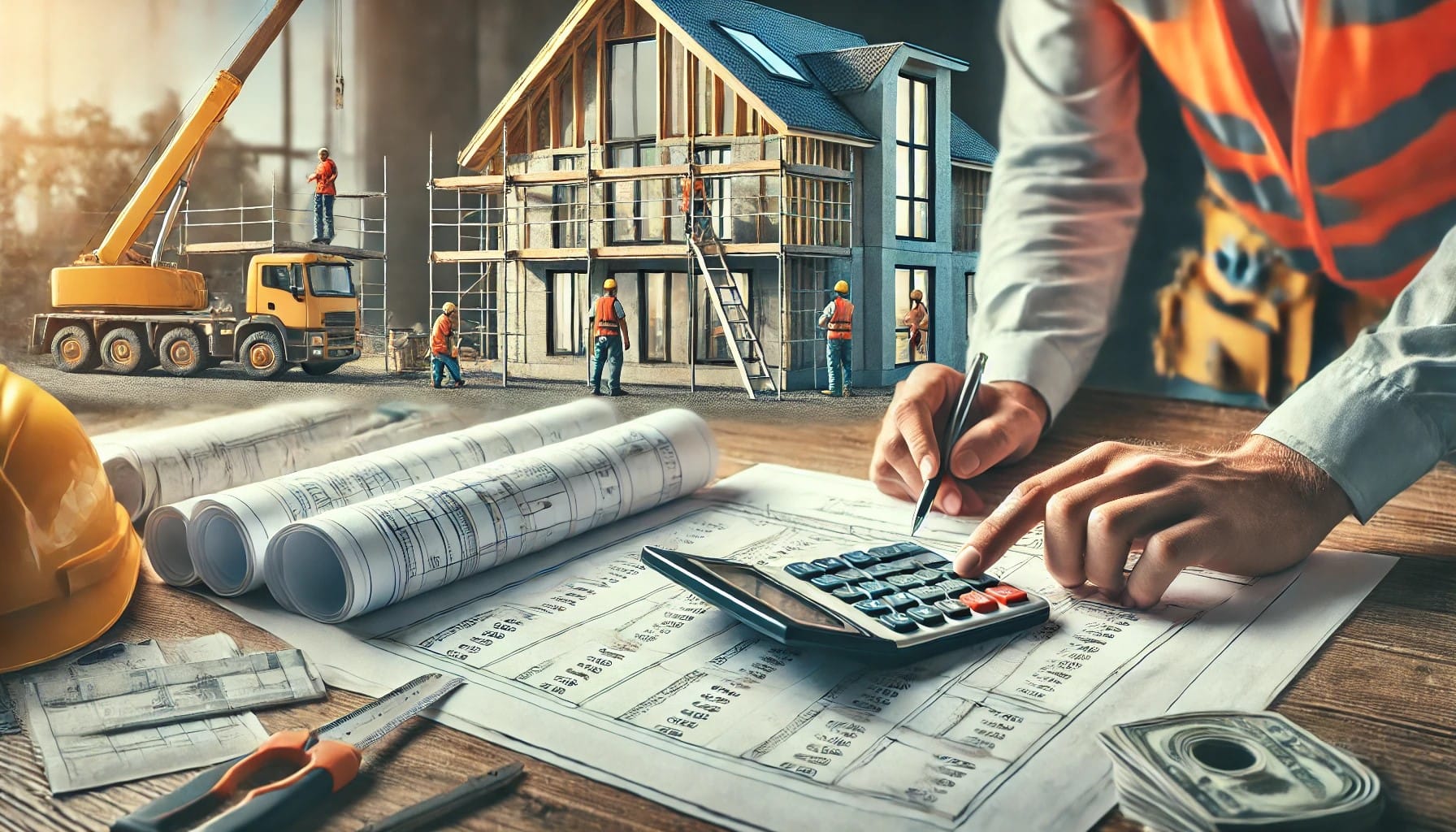
Clients trust engineers who keep projects within budget. It shows skill, honesty, and care. That’s why budget control is a top skill for any construction project engineer.
6. Problem Solving
Things go wrong on site. A good construction project engineer finds quick, smart fixes. They keep things running.
In engineering construction, no project goes exactly as planned. Materials arrive late. Weather delays work. Machines break down. When this happens, the engineer must act fast. They must solve problems without making things worse.
A construction project engineer must think clearly under pressure. They look at the issue, find the cause, and choose the best fix. Some problems need a quick answer. Others need input from the team or construction project manager. Either way, strong problem-solving saves time and money.
Good engineers also plan ahead for problems. They build in backups and “what-if” plans. This kind of thinking is key in construction engineering and management. It helps the team stay calm and focused when surprises hit.
Engineers also solve people problems. Crews may argue. Clients may change their minds. Permits may be delayed. The engineer finds fair, clear ways to move forward.
Problem solving is more than fixing things—it’s about thinking smart, staying calm, and leading well. On engineering and construction projects, these moments define the project’s success.
Practical Ways to Showcase Your Engineering Skills
It’s not enough to have the right skills—project engineers need to prove them, too. Here’s how you can show your strengths where it counts.
Share Real-World Wins
Talk is cheap; proof is better. Highlight your problem-solving and technical know-how by building a portfolio of “project stories.” For each project, outline the challenge, your step-by-step fix, and the end result. Did you stop a costly mistake before it happened? Did you design a clever solution with Revit or BIM? Add photos, diagrams, or before-and-after stats to back up your claims. LinkedIn posts, engineering forums, or local industry talks are good places to share your work.
Step Up and Lead
Don’t wait for someone to hand you the reins. Volunteer to lead a site safety meeting, tackle a tricky crew scheduling issue, or coordinate a small community build. These moments show you can organize teams, set the pace, and adapt in real time. If you spot a way to speed up reporting or improve tool tracking, pilot it and document the results.
Keep Learning in Public
Staying sharp is non-negotiable in construction engineering and management. Earn respected credentials, such as PMP or LEED. Update your skills with short courses in green building, modular systems, or new tech. Share your certifications or course highlights on your resume and professional profiles—this shows you’re keeping pace with the industry’s changing demands.
Teach What You Know
Sometimes the best way to prove you’ve mastered a skill is to teach it. Run a lunch-and-learn session for your team on a new safety method, or help train new hires on digital modeling tools. When you help others level up, it shows both leadership and technical authority.
Remember, practical proof builds trust with managers, clients, and crews. Show your work, show your growth, and let your results do the talking.
7. Team Leadership
On engineering and construction sites, teams look to the engineer for guidance. Strong leadership keeps teams focused and safe.
A construction project engineer works with many people—site workers, subcontractors, architects, and the construction project manager. They must bring everyone together to reach one goal: finish the job on time, on budget, and without mistakes.
Leadership means more than giving orders. It means setting the tone, showing respect, and being clear. A strong leader earns trust by being fair, firm, and prepared.
Good leaders know each person’s role. They match tasks to skills. They check on progress and give help when needed. If someone falls behind, they find out why and fix it.
In construction engineering and management, strong leaders keep teams working as one unit. They hold daily briefings, share updates, and solve team problems early.
A good leader also keeps morale high. Happy teams work better. A few kind words, a quick thanks, or a clear plan can boost effort. On engineering construction jobs, strong team spirit means fewer errors and better results.
Leadership is not just about power. It’s about making sure everyone knows what to do, feels safe doing it, and takes pride in the work.
8. Safety Awareness
Safety is a must in construction and engineering. Engineers must spot risks before they cause harm. This saves lives and money.
Construction sites are full of danger—heavy machines, sharp tools, high places, and live wires. A construction project engineer must know these risks and act to reduce them.
They check that workers use safety gear like helmets, gloves, and boots. They make sure signs, barriers, and safety rules are in place. If something is unsafe, they stop work and fix it fast.
Safety awareness is not just about rules. It’s about habits. A good engineer builds a safety-first mindset in the team. They lead by example. When crews see that safety matters, they take it seriously.
Training is key too. The engineer helps set up safety talks, drills, and checks. These keep everyone sharp and alert. In construction engineering and management, safe work is smart work.
Accidents slow down projects and raise costs. They also hurt morale. On engineering and construction jobs, a strong safety culture keeps teams healthy and focused.
Safety awareness protects people, profits, and the project. That’s why it’s one of the most valuable skills a construction project engineer can have.
9. Quality Control
In construction engineering, work must meet high standards. Engineers must check that all tasks are done right the first time.
A construction project engineer watches over every stage of the build. They check materials, tools, and work to make sure they meet the plan. If something is wrong, they stop the job and fix it.
Quality control starts with the specs. The engineer must know what’s expected—sizes, finishes, strength, and more. Then they make sure the team sticks to those specs. This avoids rework, delays, and waste.
Inspections are a big part of the job. The engineer walks the site, asks questions, and checks work before moving on. If work doesn’t pass, it gets redone. This protects the structure and the client’s trust.
In construction engineering and management, poor quality means lost time and extra cost. It also risks safety. Cracks, leaks, or weak joints can lead to major failures.
Good engineers also check supplier quality. They confirm that materials are approved and match the order. On engineering and construction jobs, even one bad batch of concrete or steel can ruin weeks of work.
With strong quality control, the project lasts longer, looks better, and performs well. That’s why every construction project engineer must make it a top priority.
10. Digital Skills
Technology shapes modern construction engineering and management. Engineers use drones, apps, and data tools. These tools boost speed and accuracy.
A construction project engineer must stay updated with digital tools. They help plan, track, and manage work faster than ever. Today’s job sites run on data. The engineer must know how to read it and use it.
Digital tools help with tasks like scheduling, budgeting, and reporting. Programs like Procore, PlanGrid, and AutoCAD save time and reduce errors. On engineering and construction jobs, software is now as important as steel and concrete.
Drones help map sites and inspect hard-to-reach areas. Tablets replace clipboards. Mobile apps send updates in real time. These tools help engineers spot problems early and keep teams in sync.
Good digital skills also help with teamwork. A construction project manager might be off-site, but the engineer can share progress with photos, files, or live updates.
In engineering construction, clients expect speed and clarity. Digital tools help meet those demands. They support better planning, safer sites, and smoother builds.
Digital skills are no longer optional. A modern construction project engineer must learn, adapt, and use tech every day to stay ahead.
11. Adaptability
Construction and engineering projects change fast. A good construction project engineer must adapt without losing focus.
Designs may shift. Budgets may tighten. Weather may cause delays. The engineer must adjust plans and guide the team through change.
Adaptability also means being open to new methods and tools. The industry is growing fast. From green building to AI-powered planning, engineers must keep up.
In engineering construction, rigid thinking slows progress. Adaptable engineers find new ways to solve problems and keep work on track.
12. Contract Management
Contracts guide every step of a construction and engineering job. A project engineer must know what’s in them and follow them closely.
In engineering construction, contracts cover the work scope, costs, deadlines, and payment terms. If there’s confusion, the contract clears it up. That’s why a construction project engineer must read, understand, and track every detail.
They work with the construction project manager to make sure all parties meet their duties. This includes checking that suppliers deliver on time and that work matches the agreed terms. If someone falls short, the engineer helps fix the issue fast.
Contract management also protects the project from legal trouble. If a dispute comes up, a clear record and strong contract knowledge can save time and money.
Good engineers also help with contract updates. If the client changes the design or the team adds work, the engineer updates the paperwork. In construction engineering and management, these changes happen often—and must be handled with care.
Contract management keeps projects fair, legal, and organized. It supports trust between teams and helps avoid costly mistakes. On engineering and construction jobs, it’s a skill every engineer must have.
13. Stakeholder Management
Many people care about a project—owners, clients, inspectors, and communities. A construction project engineer must manage these relationships.
They must listen, respond, and explain what’s happening in simple terms. Clear updates help earn trust and avoid conflict.
In construction engineering and management, poor communication with stakeholders can stop a project. Good engineers keep everyone informed and involved.
Managing expectations is key. When people understand the process, they’re more likely to support it.
14. Environmental Awareness
Today’s construction and engineering jobs must protect the environment. A skilled construction project engineer plans with this in mind.

They help reduce waste, save energy, and choose eco-friendly materials. They follow laws that protect land, air, and water.
Sustainable building is now expected by many clients. Knowing green standards like LEED or EDGE gives engineers an edge.
On engineering and construction sites, environmental care is not just good practice—it’s a must.
15. Underrated Skills Every Project Engineer Should Master
Ask anyone about what matters most for project engineers and you’ll usually hear about technical know-how or project management chops. But several skills lurk just beneath the radar—skills that rarely make headlines, yet play a huge role on the ground.
- Listening with Intent
Great project engineers don’t just give instructions—they listen closely, picking up on team worries, client requests, and silent red flags. Active listening goes beyond nodding; it means truly hearing, understanding concerns early, and spotting issues before they grow. - Empathy and Team Support
People power every job site. Knowing how to read a room or spot when someone’s struggling can mean the difference between a stalled job and a team that pushes through. Engineers who show empathy build stronger teams and keep motivation high. - Negotiation and Diplomacy
From working out timelines with suppliers to calming client nerves when surprises hit, diplomatic negotiation is a superpower. The best engineers know when to hold firm and when to look for a win-win. - Curiosity and Lifelong Learning
Tech and tools change fast in engineering construction—from new safety gear to fresh ideas in digital planning. Those with a natural curiosity and hunger to keep learning always stay ahead of the curve.
Often overlooked, these skills give engineers a quiet edge. They smooth out conflicts, speed up problem-solving, and help everyone—from the welder on site to the client in the city office—feel heard and respected. And as every veteran at Nyolenju Structures can tell you, it’s the details no one talks about that often make the biggest difference.
16. Tailoring Your Resume Skills Section
A construction project engineer’s resume should do more than just list skills—it should clearly show the abilities that matter most for each job.
Start by reviewing the job ad carefully. Pick out specific skills, such as “project scheduling,” “contract negotiation,” or “AutoCAD proficiency,” that the employer wants. Then, make sure these skills show up in your resume, using the same words the employer uses wherever it makes sense.
Highlight results, not just responsibilities. Did you cut costs by streamlining procurement? Help your team achieve a safety milestone? Name the achievement, and match it to a required skill. Where possible, include certifications like PMP, OSHA, or LEED Accredited Professional—these details often catch a reviewer’s eye.
Consider separating your skills into categories such as:
- Technical Skills (e.g., Primavera P6, Revit, cost estimation)
- Management Skills (e.g., team leadership, subcontractor coordination)
- Soft Skills (e.g., communication, stakeholder engagement)
Tailoring your skills section for each new job application takes a bit more time, but it helps show you’re the right fit for each role. In construction engineering and management, that extra step makes a real difference.
Other Roles That Need Project Management and Engineering Skills
Project management and engineering aren’t just for engineers in the field. Several related roles rely on the same core skills—coordinating people, tracking progress, and solving problems fast.
Here are a few roles where these abilities matter just as much:
- Project Manager: Oversees the project from start to finish—budget, people, timelines, the works. Whether at a firm like Arup or Turner Construction, a project manager connects all the moving parts.
- Technical Project Manager: Blends engineering savvy with leadership, especially on tech-heavy builds or systems integration. These roles are common in firms tackling smart buildings or infrastructure upgrades.
- IT Project Manager: Bridges the gap between tech teams and construction needs. They keep digital systems on track for everything from site management to cybersecurity, making sure tech adds value on real-world projects.
- Project Coordinator: Keeps the details in order—schedules, paperwork, and updates. If you think of project management as an orchestra, the coordinator is the one who hands out the sheet music and makes sure every section is in sync.
- Program Manager: Oversees multiple projects at once, often aligning them with an organization’s big-picture goals. This is a common role at large engineering and construction companies like Bechtel and WSP.
- Agile Project Manager: Works with flexible, fast-moving teams—especially on technology or design projects that evolve quickly. They help teams adapt, keep clients in the loop, and deliver value every step of the way.
No matter the title, these roles all need sharp organization, strong communication, and a knack for steering projects through change. If you’re strong in engineering and management, opportunities abound both inside and outside traditional construction careers.
How Project Engineers Can Upskill and Stay Ahead
The construction and engineering landscape isn’t standing still—and neither should you. As the industry evolves, so do the demands on every project engineer. Upskilling is essential if you want to stay in demand and ready for whatever comes next.
Here are practical ways to strengthen your skills and keep up with industry shifts:
- Get Hands-On with Tech Tools
Project engineers today need sharp digital know-how. Dive deeper into tools like Building Information Modeling (BIM), Primavera P6, or Procore. The more comfortable you are managing plans, schedules, and site updates from your device, the more valuable you become. - Build Technical Depth
Stay curious about new materials, innovative construction methods, and emerging design techniques. Try hands-on workshops, online courses, or certifications from groups like the American Society of Civil Engineers (ASCE) or the Institution of Civil Engineers (ICE). - Level Up Analytical Skills
Projects these days generate a mountain of data. Learn to use it—think Excel, Power BI, or even basic coding—to spot trends, predict delays, and report clear progress. Informed decisions help projects run smoother and save money. - Sharpen People and Leadership Skills
Great builds need great teams. Take time to boost your teamwork, leadership, and problem-solving abilities. Short leadership programs, mentorship, or just stepping into a more active role on site can help. - Know the Rules
Regulations and standards are always changing. Make a habit of reviewing updates from regulatory bodies and industry associations. This helps you avoid mistakes that can set projects back or land you in hot water. - Practice Clear Communication
Whether you’re sending site updates, negotiating changes, or managing a tough conversation, clear and simple communication makes you stand out. Workshops in public speaking or negotiation (like those from Toastmasters or PMI) can give you an edge. - Commit to Sustainable Building
Sustainability is now at the core of construction engineering. Learn about green certifications like LEED or EDGE, and stay curious about eco-friendly materials and energy-saving designs. - Network with Other Professionals
Join engineering societies, attend industry events, and take part in workshops—locally and abroad. Learning from others opens new doors and helps you spot trends early. - Tackle Tougher Projects
Don’t shy away from complex or unfamiliar builds. Each new challenge is a chance to grow your skills and show what you can do. - Always Look for Better Ways
Adopt a continuous improvement mindset. Whether it’s refining your workflow or experimenting with new software, small tweaks add up to big results over time.
In short, staying competitive means always learning and adapting. By building on core engineering skills and embracing new tools and trends, you’ll be ready for whatever the next project throws your way.
Conclusion
The role of a construction project engineer is more demanding than ever.
Success in 2026 takes more than just hard work—it takes skill, focus, and adaptability. From clear communication to digital know-how, each of these top 10 skills helps engineers lead, build, and deliver projects that meet today’s high standards.
But technical expertise alone isn’t enough. Modern construction project engineers must also master new tools and practices to stay ahead of the curve. Proficiency with digital project management platforms is now a must, making it easier to keep teams connected—even when working remotely. Tools like Building Information Modeling (BIM) and advanced simulation software are fast becoming the industry standard, allowing for more precise planning and coordination.
Sustainability is front and center, too. Engineers who understand eco-friendly building methods and global standards, such as LEED or EDGE, bring valuable insight to every job. And as projects become more complex and global, soft skills like agile management and cross-cultural communication are essential for leading diverse teams and managing challenges smoothly.
In short, today’s top engineers combine classic project skills with a sharp eye for technology and a commitment to sustainable, teamwork-driven results.
At Nyolenju Structures, we know what it takes to succeed in engineering construction. Our team applies these skills every day on real job sites across Kenya. Whether you need full construction services, expert supervision, or a detailed project plan, we’re here to help.
Looking for a trusted construction project manager? Need support in construction engineering and management? Partner with Nyolenju Structures for reliable, high-quality results on every build.
📞 Contact us today to discuss your next project.
🌐 Visit our website to explore our services and see what we’ve built.
🔨 Build with skill. Build with Nyolenju Structures.