
House Plans, Architecture, Interior Design
How to Incorporate the Best Green Spaces into Your House Design

Feb
How to incorporate green spaces into your house design? Start by blending nature with your living space. Green design is more than adding plants. It’s about creating a home that breathes, refreshes, and connects with the outdoors. In today’s world, where urbanization is rapidly increasing, integrating green spaces into your home is essential. It helps create a balance between modern living and nature, offering both aesthetic and functional benefits.
A well-designed home with green elements improves air quality, reduces stress, and enhances overall well-being. It transforms living spaces into peaceful retreats, making them more inviting and comfortable. Whether you have a small apartment or a spacious house, incorporating green design elements can make a significant difference. From indoor planters to lush outdoor gardens, there are endless possibilities to bring nature closer to home.
Why Green Spaces Are Important
Green spaces boost health, reduce stress, and improve air quality. They also add beauty and increase home value. Whether you live in the city or countryside, designing green spaces for your home makes life better.
Beyond aesthetics, green spaces play a crucial role in environmental sustainability. They help filter pollutants, absorb carbon dioxide, and produce oxygen, creating a healthier atmosphere. Trees and plants act as natural air purifiers, removing toxins from indoor and outdoor environments. This leads to better respiratory health and overall well-being.
Incorporating green spaces into your home also helps regulate temperature. Plants provide natural cooling by offering shade and releasing moisture into the air. This reduces the need for air conditioning, cutting down on energy consumption and lowering utility bills. Green roofs and walls further insulate homes, improving thermal efficiency.
Another advantage of green spaces is their ability to enhance mental health. Studies show that being around nature reduces anxiety, boosts mood, and improves focus. A home filled with greenery promotes relaxation and mindfulness, making it a sanctuary from daily stressors.
Additionally, green spaces support biodiversity. By planting native flowers, shrubs, and trees, homeowners create habitats for birds, bees, and butterflies. This encourages ecological balance and contributes to the conservation of local wildlife.
Indoor Green Spaces
Bringing nature indoors is easy. Here’s how:
- Vertical Gardens: Save space with wall-mounted plants. These are perfect for small homes and apartments, providing a lush, green feel without occupying floor space. Vertical gardens can be installed on living room walls, kitchen backsplashes, or even bathroom areas. They utilize hydroponic or soil-based systems, depending on preference. Not only do they enhance aesthetics, but they also improve indoor air quality by absorbing pollutants and releasing oxygen. Many vertical gardens include automated irrigation systems, making maintenance effortless. Whether you opt for a DIY setup or a professional installation, these gardens transform indoor spaces into green sanctuaries.
However, it’s important to consider ongoing care to keep your vertical oasis thriving. While automated watering helps, plants still need attention—occasional pruning, monitoring for pests, and ensuring each species gets the right amount of sunlight. Without proper care, even the hardiest greenery can wilt or lose its vibrancy.
Other natural elements in your home, such as stone or hardwood accents, also come with their own maintenance needs. Natural stone surfaces may require sealing and cleaning with specialized products to keep them looking their best. Hardwood floors or features can be prone to scratches and may warp if exposed to excess moisture, especially in humid climates.
By staying mindful of these simple upkeep routines, you’ll ensure your indoor green spaces remain healthy and beautiful for years to come. - Indoor Plants: Use potted plants to clean the air and enhance aesthetics. Plants like snake plants, peace lilies, and spider plants improve indoor air quality by absorbing toxins and releasing oxygen. Low-maintenance options such as succulents and ZZ plants are ideal for beginners, requiring minimal watering and care. Consider placing larger plants like fiddle leaf figs or rubber plants in corners to add a natural focal point to your rooms. Grouping plants of different heights and textures can create a lush, layered effect. Hanging planters and wall-mounted pots help maximize space in smaller homes, bringing greenery to eye level. To further integrate plants into your décor, choose decorative pots that complement your home’s design style.
Cost and Space Considerations
While biophilic design can be incredibly rewarding, it’s worth noting that upfront costs for features like vertical gardens or extensive plant installations may seem steep at first glance—even though they can lead to long-term savings by reducing the need for artificial lighting, heating, or cooling. In smaller spaces, you might need to get creative: not every home has the wall real estate for a full-sized living plant wall, but modular systems, hanging planters, or compact arrangements can still deliver the benefits of greenery. Prioritizing easy-to-maintain options and scalable solutions, like a few well-placed potted plants, makes it possible to enjoy the perks of biophilic design without needing a mansion—or a massive investment.
- Green Design Interior Design: Greenery can be seamlessly integrated into interior spaces by using planters, hanging baskets, or even a full living wall. Living walls add a striking, natural element to any room while improving air quality. Choose furniture made from reclaimed wood or bamboo to align with sustainability. Soft furnishings, such as cushions and curtains, can incorporate earthy tones and botanical patterns to reinforce the connection with nature. Color plays a pivotal role here—nature-inspired palettes like calming greens, tranquil blues, and rich tans or browns can instantly evoke the serenity of the outdoors. These hues not only set a peaceful mood but also ground the space in a sense of organic beauty. For added vibrancy, consider bringing in real plants and fresh flowers. Not only do they provide bursts of color, but they’re also an eco-friendly way to make your interiors feel more dynamic and alive.
- Atriums and Courtyards: An indoor atrium or courtyard filled with plants creates a stunning focal point while allowing natural light to flood the space. Glass roofs or skylights make these areas feel open and airy, enhancing the indoor-outdoor flow. Adding seating, water features, and natural stone elements can turn an atrium into a peaceful retreat.
- Natural Materials: Incorporating organic materials such as wood, bamboo, stone, and clay tiles enhances the overall green design aesthetic. These materials not only provide a natural look but also improve air quality by reducing synthetic pollutants in the home. Use untreated, sustainable wood for flooring, wall paneling, and furniture to promote eco-conscious living.
- Herb and Kitchen Gardens: A small indoor herb garden can bring fresh flavors to your cooking while adding a refreshing green touch to your kitchen. Herbs like basil, mint, thyme, and rosemary are easy to grow in pots or vertical planters. Placing them near a kitchen window ensures they receive adequate sunlight. Raised countertop garden beds or hydroponic systems offer a low-maintenance way to keep fresh herbs within reach.
- Water Features: Indoor water features, such as tabletop fountains, cascading wall water panels, or small indoor ponds, complement greenery by adding a sense of tranquility. The sound of flowing water enhances relaxation and helps create a soothing atmosphere. Pairing water features with natural stone and plants further amplifies their calming effect.
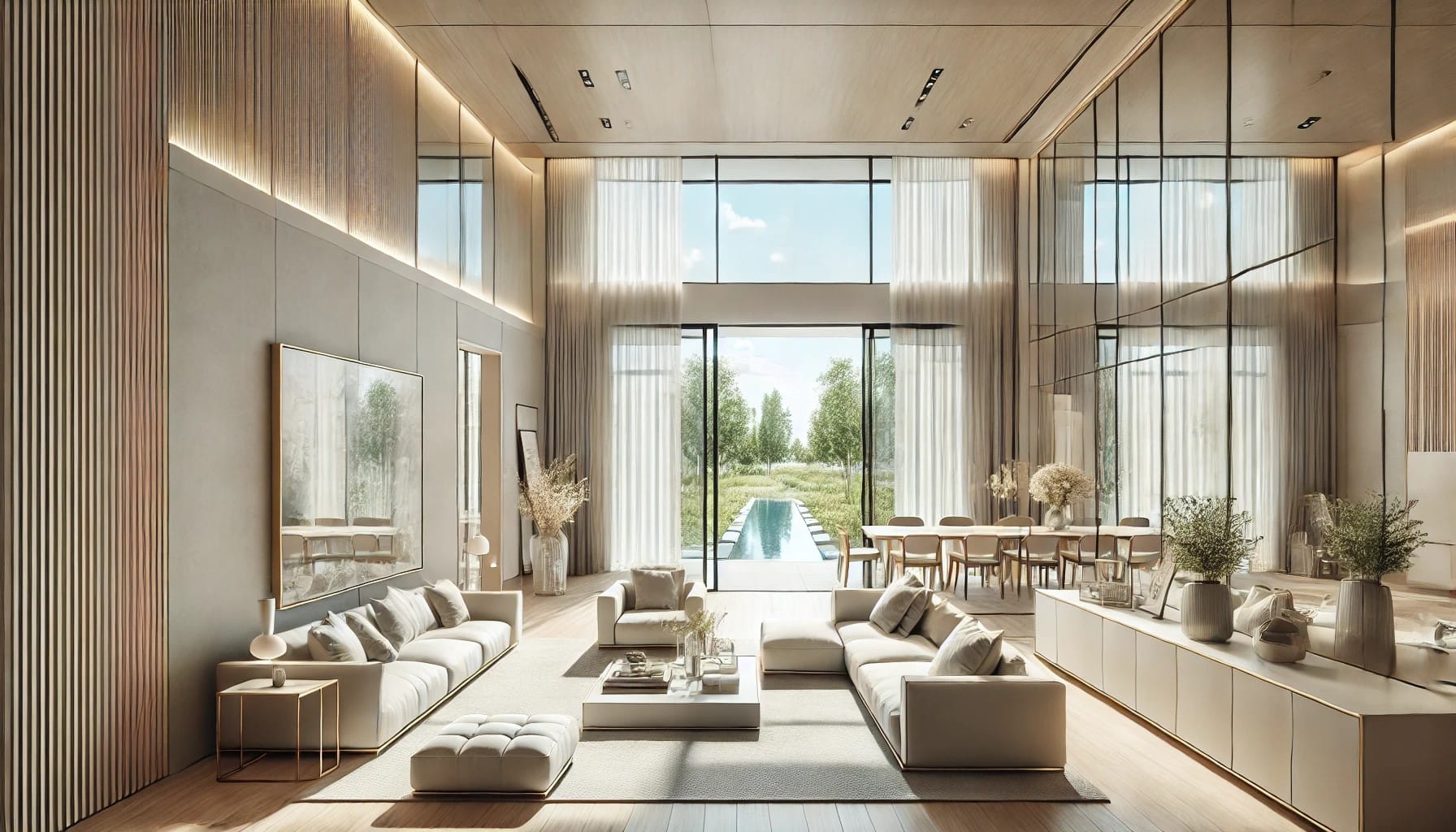
- Biophilic Design: Biophilic design incorporates nature-inspired elements into home interiors to strengthen the connection between humans and the natural world. This includes using organic patterns in textiles, maximizing natural light, and designing open spaces that merge the indoors with outdoor views. Large windows and glass doors overlooking a garden or green space can enhance the indoor-outdoor connection.But biophilic design is more than just a trend—it’s a holistic approach to creating spaces that feel like a true oasis. At its core, this design philosophy is about weaving elements of the outdoors into our daily lives, especially for those who spend much of their time indoors.
Key Elements of Biophilic Design
- Natural Materials: Incorporate materials like hardwood, stone, bamboo, and rattan throughout the home. These not only add warmth and texture, but also foster a sense of being grounded in nature.
- Natural Light: Maximize daylight by using open floor plans, large windows, skylights, or glass doors. Ample sunlight not only brightens interiors but also boosts mood and helps regulate natural sleep cycles.
- Water Features: Consider adding a small indoor fountain or a water wall. The gentle sound of moving water can create a calming ambiance and soften the sensory experience.
- Living Greenery: Houseplants, vertical gardens, or living walls can purify the air and bring color and life to any space. Even a few potted plants or a window box can make a big impact.
- Multi-Sensory Experiences: Beyond what you see, aim to engage other senses. Use aromatic herbs, textured surfaces, or gentle nature sounds to fully immerse yourself in a restorative environment.
Creating Spaces for Prospect and Refuge
A successful biophilic design balances open, airy spaces (prospect) with cozy nooks or alcoves (refuge). This combination echoes our instinctual need for both panoramic views and protective shelter, making interiors feel both inspiring and safe.
Wellness Benefits
Biophilic interiors can help reduce stress, improve concentration, and promote overall well-being. From the visual appeal of greenery to the subtle sound of water, each element works together to deliver the restorative benefits of nature right at home.
Future Trends in Biophilic Design
Looking ahead, biophilic design is expected to evolve in exciting new directions as homeowners and designers alike seek even stronger connections with the natural environment. Emerging research is encouraging a more thoughtful approach, inspiring spaces that not only look good but actively support well-being.
Some anticipated trends include:
- Smarter Integration: Expect technology to play a bigger role, with smart sensors managing natural light, air quality, and irrigation for living walls and indoor gardens. Automated systems will make it easier for anyone to maintain healthy, green spaces year-round.
- Evidence-Based Design: Designers will increasingly rely on data—such as studies on how specific plants affect air quality or mood—to shape home environments that support health and happiness.
- Expanded Natural Features: Biophilic design will go beyond just adding plants. We’ll see more natural materials (like stone, cork, and bamboo), organic shapes, and even multisensory elements, such as natural scents or soundscapes that mimic the outdoors.
- Flexible Indoor-Outdoor Spaces: Retractable walls, sliding glass panels, and seamless transitions are expected to continue blurring the line between inside and out, making it easier to enjoy fresh air and greenery no matter the weather.
- Personalization: As people become more invested in wellness, homeowners may tailor biophilic features to fit their routines—from meditation corners surrounded by foliage to custom green “zones” that enhance specific tasks or moods.
Biophilic design will continue to adapt, guided by both technological innovations and our innate desire to bring the calming, restorative effects of nature into daily life.
Noteworthy Examples of Biophilic Design in Action
Biophilic design isn’t just an abstract idea—it’s a proven approach with stunning results across the globe. Let’s look at some standout residential and commercial projects where nature and architecture coexist beautifully, boosting well-being and shaping healthier built environments.
Residential Innovation
- Bosco Verticale (Milan, Italy): Often described as “vertical forests,” these two iconic apartment towers by Boeri Studio are literally wrapped in greenery. Over 900 trees and thousands of shrubs and perennials climb the facades, providing fresh air and a leafy buffer from urban noise. Residents enjoy superior air quality and a front-row seat to nature, even several stories above the street. The plants don’t just look beautiful—they filter dust, produce oxygen, and help regulate temperature, making city living surprisingly tranquil.
- One River North (Denver, Colorado): Inspired by the rugged Colorado landscape, this apartment complex brings the outdoors in. Its most striking feature: a canyon-like fissure running up the facade, lined with native plants adapted to Denver’s climate. Residents can stroll among greenery, connecting with nature without leaving home, and the building’s sustainable features help conserve energy throughout the year.
Commercial Success Stories
- St. John’s Terminal (New York City): Rehabbed by Google atop a historic former rail terminal, this workspace is awash in verdant plantings—an impressive 1.5 acres of vegetation bring the outside in. High ceilings and abundant glass fill work areas with natural light, while reclaimed wood and solar panels champion sustainability behind the scenes. The result is a modern workplace where employees feel both energized and grounded.
- The Ring (Clearwater, Florida): This well-being-focused co-working hub turns ordinary office life on its head. Lush indoor vegetation, reclaimed wood furniture, and expansive glass walls drench the interiors with daylight. The design intentionally encourages movement, collaboration, and moments of pause—showing how biophilic principles fuel creativity and comfort in a commercial setting.
These spaces do more than just look green—they deliver tangible benefits, from improved air quality to reduced stress and energy savings. Whether you’re imagining vertical forests on a city skyline or calming plant-filled workspaces, these case studies prove that biophilic design has real staying power.
Outdoor Green Spaces
Make the most of your outdoor space with these ideas:
- Rooftop Gardens: Ideal for urban homes with limited yard space. These green spaces add insulation, reduce heat buildup, and provide a relaxing retreat. By growing flowers, vegetables, or even trees, you transform an unused roof into a lush, vibrant area. Rooftop gardens also improve drainage and reduce stormwater runoff, making them environmentally friendly. Installing seating areas and shade structures allows homeowners to use these spaces as private outdoor lounges or dining areas.
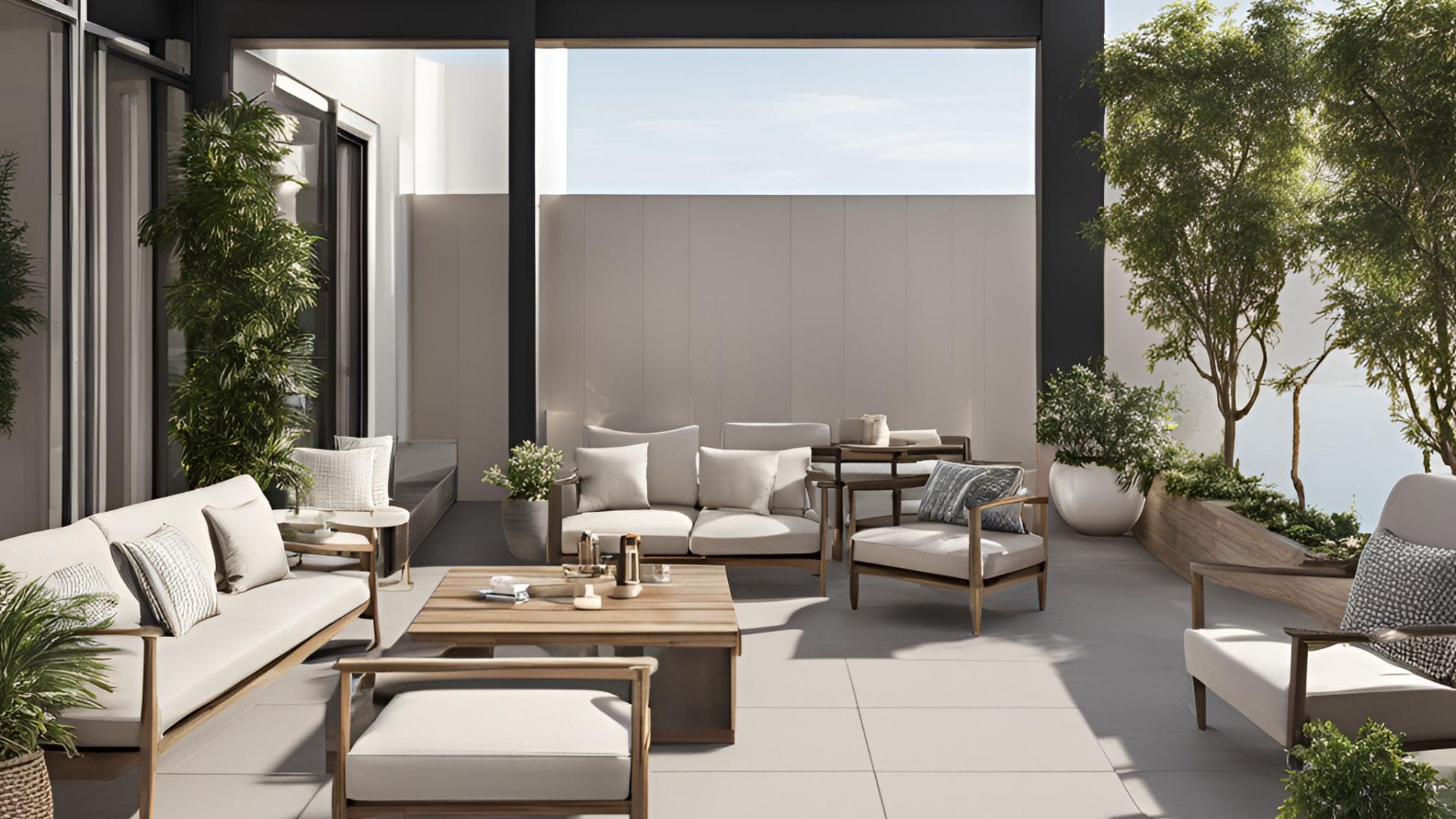
- Green Patios: Add climbing plants and garden furniture. Use trellises, ivy, or vertical planters to create a natural, shaded environment. Incorporate potted plants, green walls, and pergolas covered with vines to make patios more inviting. Natural stone, reclaimed wood, and eco-friendly outdoor furniture can enhance the sustainable aspect of a green patio.
- Edible Gardens: Grow herbs and vegetables for fresh meals. Raised garden beds, container gardening, or vertical gardens allow for homegrown produce in small spaces. Edible gardens are an excellent way to promote sustainability and self-sufficiency while ensuring a fresh supply of organic food. Fruits, vegetables, and herbs thrive in well-designed backyard or balcony gardens, reducing grocery costs and enhancing meal quality.
- Water Features: Small ponds or fountains create a peaceful vibe. The sound of flowing water enhances relaxation and attracts wildlife like birds and butterflies. Water features also help maintain humidity levels and create a microclimate that supports plant growth. Options range from simple birdbaths and small bubbling fountains to elaborate koi ponds with aquatic plants.
- Shaded Areas: Use trees, pergolas, or trellises for comfort. Well-placed trees not only provide shade but also improve air quality and reduce noise pollution. Pergolas draped with climbing vines offer stylish shaded seating areas, making outdoor spaces comfortable during warm seasons. Retractable awnings and natural bamboo screens can further enhance outdoor shade while maintaining an eco-friendly aesthetic.
- Native Landscaping: Choose plants suited to the local climate. This reduces water usage and supports local ecosystems, encouraging pollinators like bees and hummingbirds. Native plants require less maintenance, are more resistant to pests, and provide essential habitats for local wildlife. Wild grasses, shrubs, and perennials adapted to the region enhance biodiversity while minimizing lawn care efforts.
- Wildflower Meadows: Convert a section of your yard into a low-maintenance wildflower garden to attract beneficial insects and reduce the need for mowing. Wildflowers add color and texture to outdoor spaces while improving soil health and reducing water requirements. These naturalized gardens require minimal upkeep, making them a perfect addition for homeowners looking to enhance their landscapes sustainably.
- Outdoor Living Spaces: Incorporate eco-friendly furniture, natural stone pathways, and fire pits to create inviting gathering areas surrounded by greenery. Sustainable outdoor furniture made from recycled or responsibly sourced materials ensures durability and comfort. Using permeable paving for walkways helps with rainwater absorption, reducing runoff. Fire pits surrounded by seating provide cozy spots for evening gatherings, enhancing the overall outdoor experience.

Green Design Build Strategies
A modern home design plan should include eco-friendly choices. Work with green design builders to integrate:
- Energy-Efficient Windows: These windows use advanced glazing, low-emissivity (low-E) coatings, and insulated frames to minimize heat loss in winter and prevent overheating in summer. They reduce heating and cooling costs, making homes more comfortable year-round. Double and triple-pane glass options offer enhanced insulation, reducing noise pollution and maintaining indoor temperatures. Some models come with gas fills like argon or krypton between panes for added thermal efficiency. Choosing the right placement of energy-efficient windows maximizes daylight, reducing the need for artificial lighting.
- Rainwater Harvesting: This system collects and stores rainwater for irrigation, flushing toilets, and other non-drinking uses. Installing rain barrels or underground storage tanks helps conserve water and reduce reliance on municipal supplies.
- Solar Panels: Harnessing solar energy lowers electricity bills and reduces your carbon footprint. Solar panels can power an entire home or supplement energy use, making them a sustainable choice for modern living. Advances in solar technology now provide more efficient and aesthetically pleasing options, such as solar roof tiles and integrated photovoltaic (PV) systems. Homeowners can take advantage of net metering, where excess energy is fed back into the grid for credit, further reducing costs. Solar panels also increase property value, making them a wise long-term investment. With government incentives and tax credits available in many regions, installing solar panels has become more accessible and cost-effective than ever before.
- Natural Ventilation: Designing homes with strategically placed windows, vents, and open floor plans promotes airflow, reducing the need for air conditioning. Cross-ventilation keeps interiors cool and fresh, improving indoor air quality.
- Spatial Flow and Functionality: Beyond just opening windows, the arrangement of rooms and pathways plays a crucial role in supporting biophilic principles. Spaces should be thoughtfully planned to encourage easy movement and a seamless connection to the outdoors. Open layouts allow natural light to travel deeper into the home, while clear pathways prevent awkward navigation—ensuring that every area remains functional, inviting, and inherently connected to nature.
Successful design strikes a balance: it enhances our relationship with the natural world without sacrificing day-to-day practicality. By considering both airflow and the overall configuration of a space, biophilic design becomes more than an aesthetic choice—it transforms the way we experience and interact with our surroundings.
- Permeable Paving: Using permeable materials for driveways, patios, and walkways allows rainwater to seep into the ground instead of causing runoff. This helps replenish groundwater and prevents urban flooding. Permeable paving materials include gravel, porous concrete, permeable pavers, and open-jointed blocks. These surfaces let water pass through while maintaining structural integrity. In addition to managing stormwater, permeable paving reduces the heat island effect, keeping outdoor spaces cooler. It also minimizes soil erosion and improves drainage, making it an excellent choice for eco-conscious homeowners. By selecting locally sourced and recycled materials, you can further enhance the sustainability of your paving solutions.
- Green Roofs and Walls: Green roofs provide insulation, reduce heat buildup, and improve stormwater management. Living walls covered with plants act as natural air filters and temperature regulators, making buildings more energy-efficient.
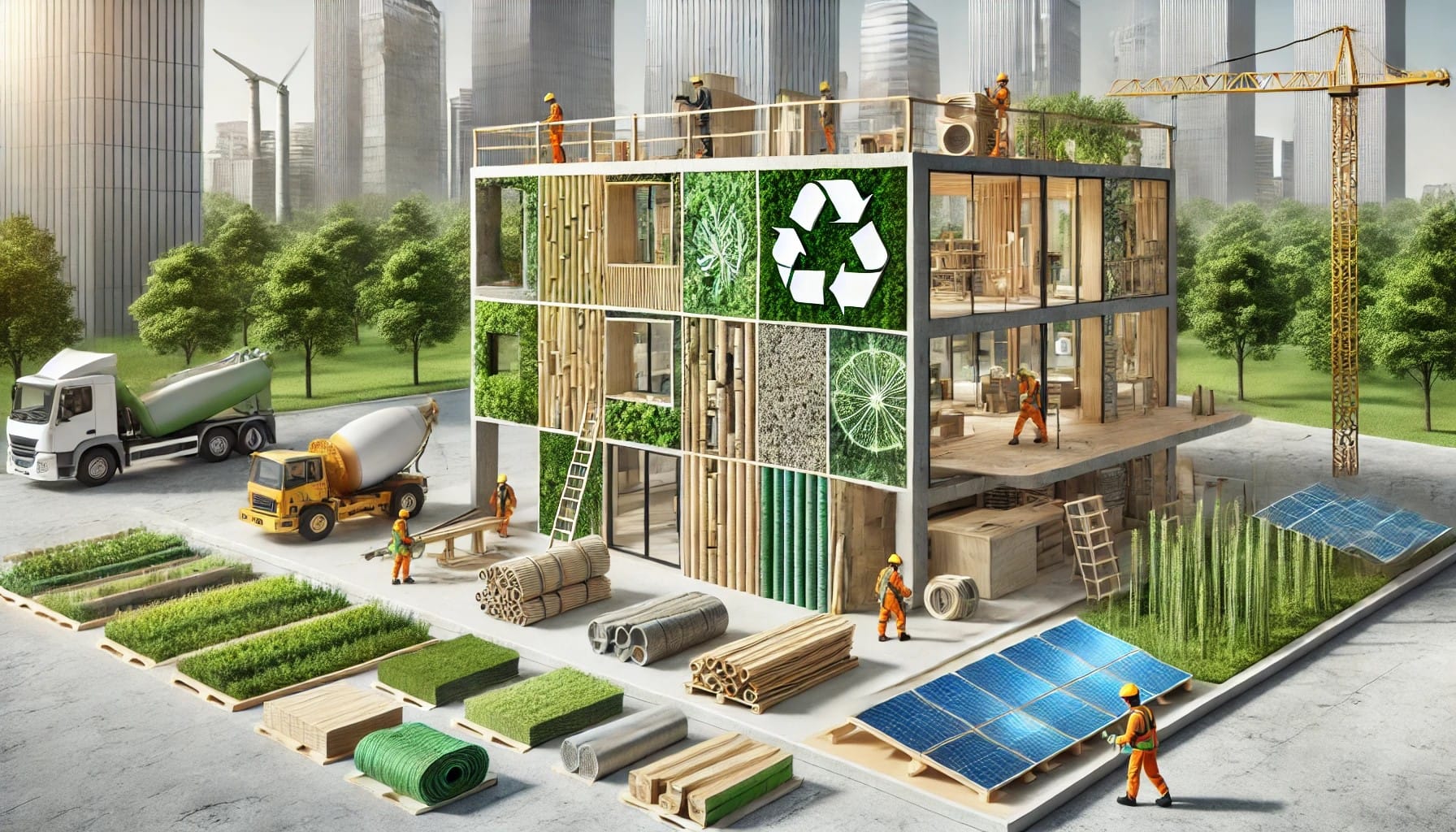
- Sustainable Building Materials: Opting for eco-friendly materials reduces environmental impact while ensuring durability. Reclaimed wood, bamboo, recycled steel, and low-VOC (volatile organic compound) paints contribute to healthier indoor air quality. Cork and straw bale insulation provide natural insulation while being biodegradable. Choosing locally sourced materials minimizes carbon emissions associated with transportation. Sustainable building materials not only improve energy efficiency but also enhance the aesthetic appeal and longevity of a home.Embracing Natural Materials for Sustainability
Natural materials deepen our connection with nature and play an essential role in sustainable design. Hardwood—such as maple, oak, or alder—remains a favorite for cabinets, paneling, and furniture thanks to its versatility and long-lasting beauty. Stone is another excellent choice for flooring, countertops, and backsplashes; whether it’s the smooth elegance of marble or the rugged character of slate, each variety offers a unique tactile and visual experience.
Incorporating these materials not only supports a healthier lifestyle, but also brings warmth, character, and timelessness to any space. By blending eco-friendly choices with thoughtfully selected natural elements, your home becomes both environmentally conscious and visually inviting.

- Passive Solar Design: Homes designed with passive solar principles maximize natural light and heat. Large south-facing windows, thermal mass materials, and overhangs help regulate temperature without relying on mechanical systems.
- Greywater Recycling: Greywater systems collect water from sinks, showers, and washing machines, filtering and reusing it for non-potable purposes like irrigation and toilet flushing. This reduces water waste and eases the strain on municipal water supplies. Installing a greywater system lowers utility bills and makes homes more self-sufficient. Advanced filtration technologies ensure that recycled water is safe for secondary use, preventing contamination. Homeowners can integrate greywater systems with rainwater harvesting setups for maximum water conservation. Many modern greywater systems come with automatic controls, making them easy to maintain and operate.
- Smart Home Technology: Integrating automated lighting, thermostats, and irrigation systems improves energy efficiency and optimizes resource use. Smart homes allow homeowners to monitor and control energy and water consumption remotely.
- Cool Roof Technology: Reflective roofing materials reduce heat absorption, keeping homes cooler in summer. This lowers air conditioning needs and enhances indoor comfort while reducing energy costs.
- Modular Construction: Prefabricated building components minimize construction waste and improve energy efficiency. Modular homes are designed for sustainability, using eco-friendly materials and advanced insulation techniques to create greener living spaces.
Smart Home Integration
- Automated Irrigation: Smart irrigation systems optimize water usage by delivering the right amount of moisture to plants at the right time. These systems use sensors to detect soil moisture levels, weather conditions, and plant needs, reducing water waste. Drip irrigation and sprinkler systems can be automated and controlled remotely via smartphone apps, ensuring efficient watering schedules. Homeowners can program these systems to operate at night or early in the morning to minimize evaporation. Automated irrigation not only conserves water but also promotes healthier plant growth, making it an essential feature for sustainable landscaping.
- Smart Lighting: Smart lighting systems adjust brightness based on occupancy and natural light levels. Motion sensors and timers ensure that lights turn on and off automatically, reducing energy waste. Smart LED bulbs use less power and last longer than traditional incandescent bulbs. Homeowners can control lighting remotely through apps, setting schedules to match daily routines. Some systems integrate with voice assistants, offering hands-free control. Smart lighting not only enhances convenience and security but also supports energy conservation, making it an essential feature in green home design.
- Air Quality Monitors: These devices track indoor air quality by detecting pollutants such as carbon dioxide, volatile organic compounds (VOCs), and particulate matter. Advanced air quality monitors provide real-time data and alerts, helping homeowners maintain a healthy indoor environment. Some models integrate with smart home systems, automatically adjusting ventilation or air purifiers based on readings. Keeping an eye on air quality ensures that your home remains a fresh and safe space for your family.
- Temperature Control: Smart thermostats regulate home temperatures efficiently, adjusting settings based on occupancy and preferences to optimize energy use.
- Smart Power Strips: These power strips help reduce energy waste by cutting off power to devices that are not in use. Traditional electronics continue to draw power even when turned off, leading to unnecessary energy consumption. Smart power strips detect when a device is in standby mode and automatically shut off power, preventing phantom energy drain. Some models allow remote control via smartphone apps, letting homeowners manage power usage even when away. By integrating smart power strips into your home, you can lower electricity bills and contribute to a greener environment without changing daily habits.
- Solar-Powered Outdoor Lighting: Harnessing solar energy for landscape and pathway lighting enhances outdoor aesthetics while eliminating the need for electrical wiring and reducing energy costs.
- Smart Window Shades: These adjust automatically to regulate indoor temperatures, reducing reliance on heating and cooling systems while improving comfort and privacy.
Final Thoughts
Incorporating green spaces into your home design is a step toward a healthier, more sustainable lifestyle. Whether through indoor gardens, outdoor landscaping, or energy-efficient building strategies, green design enhances comfort, beauty, and environmental responsibility.
A thoughtful approach to green home design goes beyond simply adding plants—it’s about creating a deeper connection with the natural world. At its core, this means:
- Prioritizing natural elements: Use organic materials, maximize sunlight, and consider features like water elements to evoke the calming effects of nature indoors and out.
- Balancing prospect and refuge: Design spaces that offer both openness (such as large windows or open layouts) and cozy nooks for a sense of comfort and security, helping everyone feel at ease and inspired.
- Engaging the senses: Incorporate aromatic plants, the soothing sounds of water, and tactile materials to stimulate more than just the eyes, making your home a multi-sensory retreat.
By weaving these principles into your house plan, you foster a living environment that not only looks appealing but also supports your well-being and sustainability goals.
At Nyolenju Structures, we specialize in designing eco-friendly homes tailored to your vision. Let us help you integrate green spaces into your house design for a modern, sustainable, and refreshing living environment.
📞 Contact us today via WhatsApp. 🌍 Visit our website to explore our designs. 📌 Follow us on Facebook for updates and inspiration!