House Plans, Architecture
17 Beautiful Hidden Roof Designs That Make Homes Stand Out

Jun
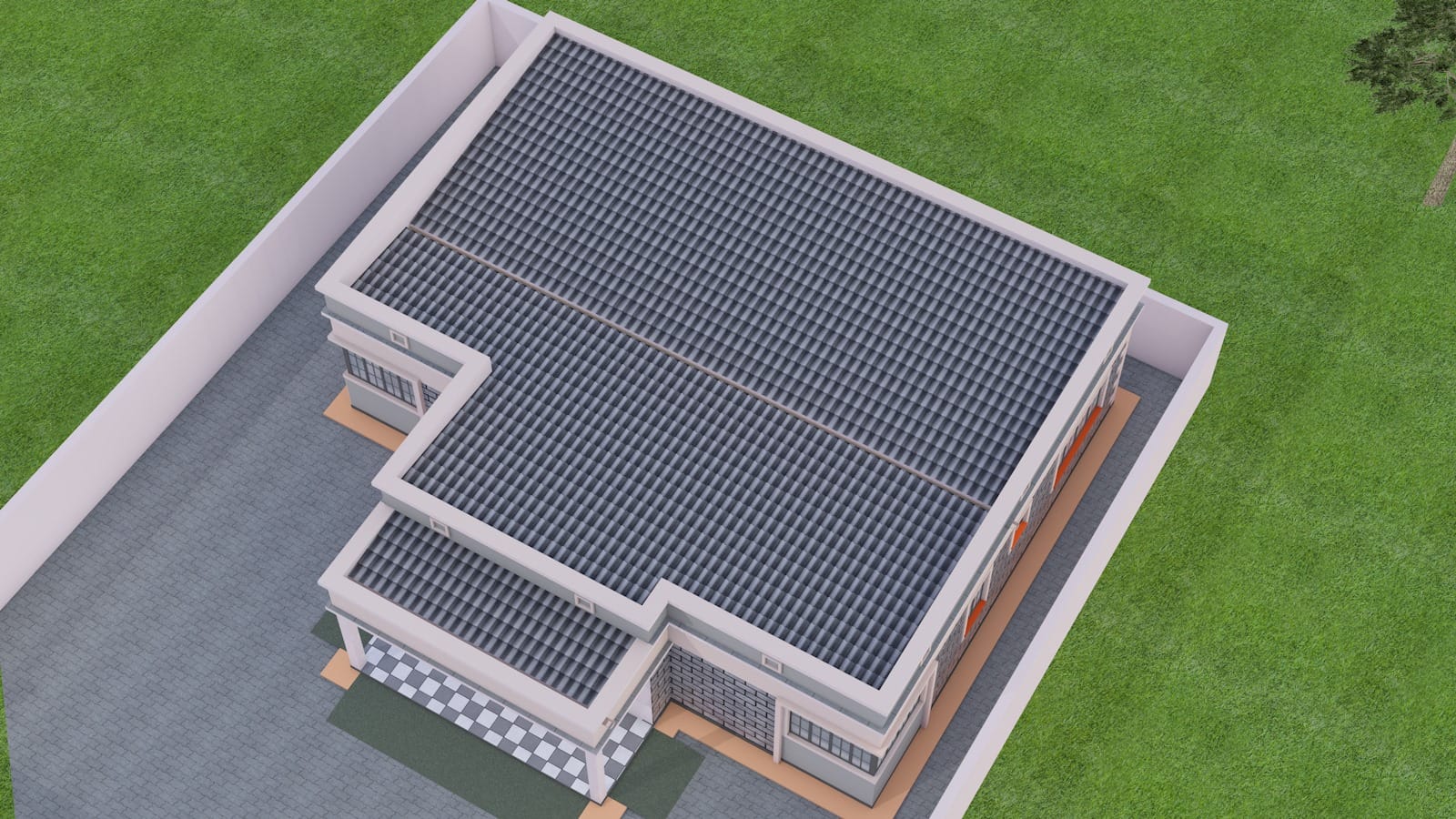
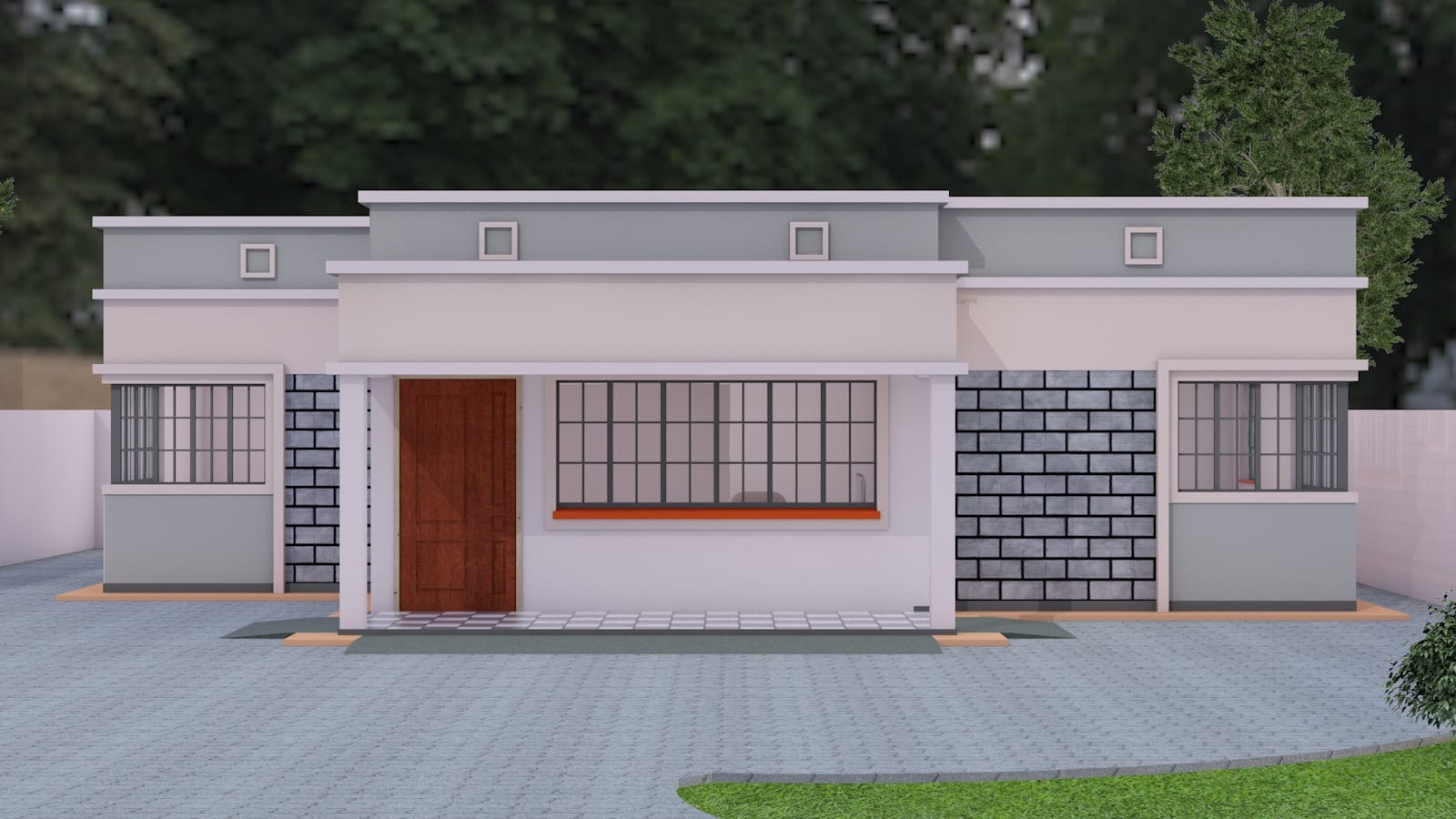
A roof does more than cover a home. It shapes the way a house looks and feels. A hidden roof keeps the lines clean and simple. From the street, you can’t see it. That makes the home stand out. It looks smooth and modern. No slopes. No clutter.
This kind of roof hides all the work inside. Pipes, gutters, and drains are built in. The outer walls rise just above the roof and block it from view. That’s why it’s called hidden.
Many new homes now use this look. It fits well with both city and rural settings. It works on small lots or big homes. People love it because it feels neat and quiet.
In this article, we show 17 hidden roof designs that stand out. Each one brings its own style. Some feel bold. Some feel soft. All of them make homes look sharp and smart.
Why Choose a Hidden Roof? Cost and Energy Efficiency Explained
Hidden roof designs aren’t just the latest modern trend—they come with serious practical advantages, especially when it comes to your wallet and your monthly energy bill.
Affordable Construction & Maintenance
- Lower Initial Costs: Hidden roofs often require fewer visible materials and can reduce finishings compared to traditional pitched roofs. This streamlined structure helps keep construction budgets lean.
- Simpler Maintenance: The clean lines and minimal overhangs mean fewer spots where debris can gather, making upkeep a breeze and reducing long-term costs.
Energy Efficiency Benefits
- Superior Insulation: The design lends itself to excellent insulation, helping your home stay cooler in the heat and warmer when temperatures dip. This translates to less reliance on air conditioning and heating—good news for both the planet and your power bill.
- Ideal for Solar Integration: Want to make the most of Kenya’s abundant sunshine? Hidden roofs are perfectly suited for discreetly integrating solar panels, capturing clean energy while preserving your home’s sleek look.
- Better Protection from the Elements: Thanks to their construction, hidden roofs can provide improved resistance to wind and rain compared to some exposed roofing styles, potentially saving you from costly weather-related repairs.
In short, opting for a hidden roof design offers a smart balance of style, savings, and sustainability—making it an excellent choice for contemporary living.
Which Architectural Styles Work Best with Hidden Roof Designs?
Hidden roof designs are especially well-suited to contemporary homes, where clean lines and uncluttered silhouettes take center stage. Minimalist architecture is another top contender—think sleek shapes and understated elegance that let the structure’s form shine. Modern tropical-style houses often use hidden roofs too, creating cool, airy spaces while maintaining a crisp, modern exterior.
If you’re drawn to the Scandinavian look—simple, functional, but always stylish—a hidden roof can be the perfect finishing touch. Even urban infill projects frequently rely on hidden roofs to achieve a low-profile, seamless integration with city skylines.
Keep reading to find one that fits your dream home.
1. Modern Minimalist Hidden Roof
This roof looks clean and sharp. It fits homes with straight lines and simple shapes. You won’t see any tiles or sheets from outside. The roof hides behind short walls that rise above it. These walls are called parapets.
The slope is inside. It helps water flow into drains that sit below the roof. Pipes carry the water away. From the street, the home looks flat and even. No edges stick out. No gutters hang down.
This design works well with plain walls and large windows. It suits homes that use concrete, steel, or smooth plaster. Most have white, black, or gray tones.
The inside feels calm and quiet. The outside looks neat and bold. Builders like it because it’s simple to shape. Owners like it because it feels open and fresh.
It’s a good choice for warm or dry places. But it needs good drainage to stop water from pooling. With the right plan, this roof can last for years and still look new.
It’s the kind of roof that doesn’t try too hard. And that’s what makes it stand out.
2. Tropical-Inspired Hidden Roof
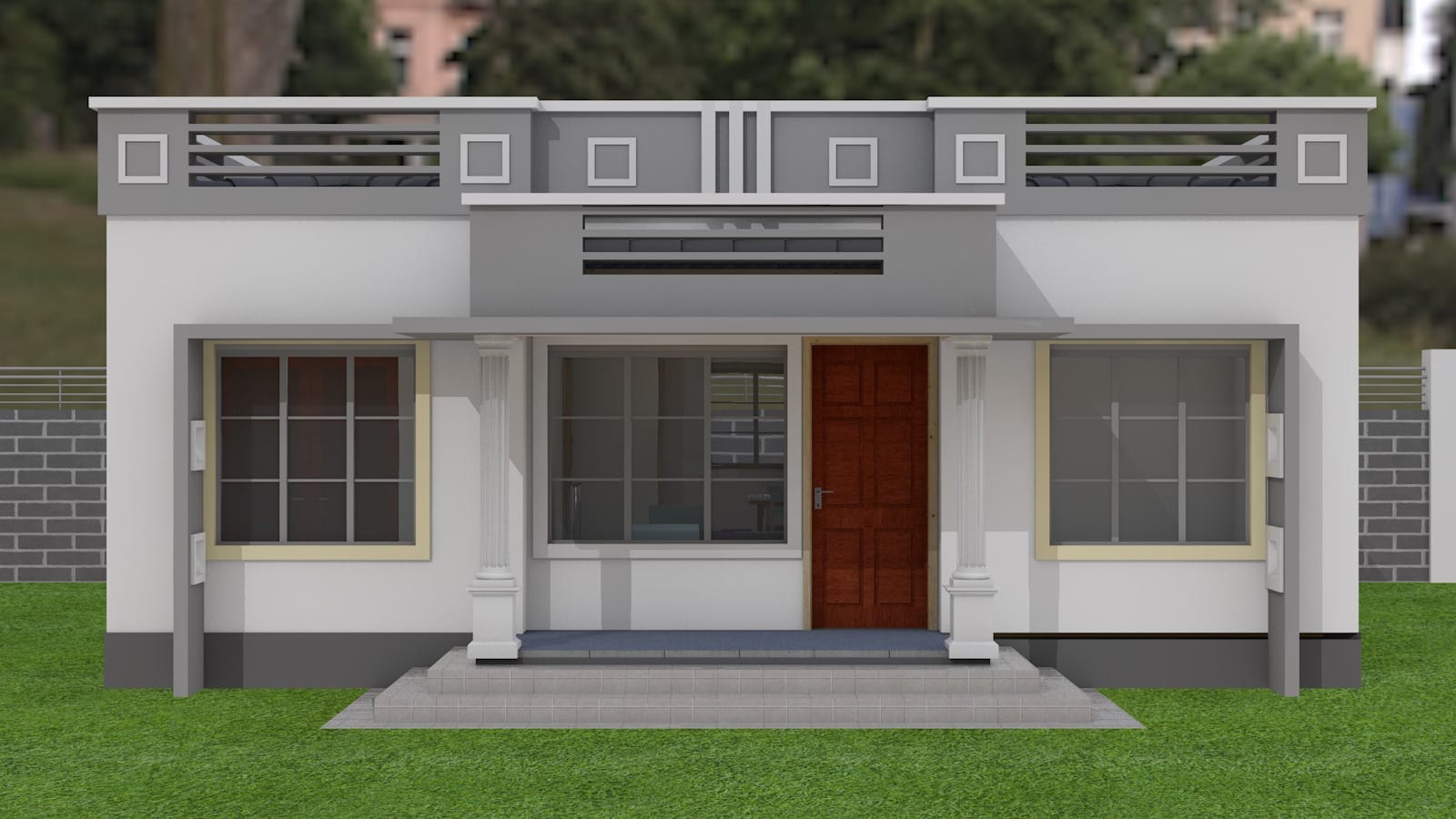
This roof works best in hot and rainy places. It keeps the home cool and dry at the same time.
The roof sits behind short walls called parapets. These walls hide the slope of the roof from view. Water flows down through drains built inside the walls. This keeps the outside clean and simple.
The roof uses light materials that handle heat and moisture well. Builders often use treated wood, steel, or concrete. These last long in tropical weather.
Some homes add vents near the ceiling. These vents let hot air rise and escape. That helps the rooms stay cooler during the day.
The design also protects windows and doors. Wide eaves stick out behind the walls to block sun and rain. You get shade without changing how the house looks from the street.
Many tropical homes also use large glass doors. These open up to outdoor spaces like patios or gardens. The hidden roof gives a clean frame to these views.
This design works well for both city homes and coastal villas. It is simple, strong, and made for the climate. It gives comfort without giving up style.
3. Industrial Concrete Flat Roof with Concealed Drainage
This roof has a strong, raw look. It uses solid concrete with a smooth finish. The surface is flat and clean. There are no tiles or shingles.
The roof slopes slightly toward hidden drains. Water flows into pipes tucked inside the walls. You won’t see any gutters or spouts from the outside.
The walls rise just above the roof. This hides the slope and gives a sharp edge. The home looks bold and modern from every side.
This style fits homes that use metal, glass, or brick. It works well in cities and open spaces. The rough concrete pairs nicely with black or dark frames.
The inside feels cool and quiet. The thick concrete keeps out heat and noise. It also lasts a long time with little upkeep.
This roof is good for people who like simple, honest design. It has nothing extra. Everything has a purpose.
To work well, the drainage must be planned right. The slope should guide water quickly. If done right, this roof stays dry and strong in all weather.
It’s a solid choice for homes that want to look clean, bold, and built to last.
4. Hidden Roof with Skylight Integration
This roof brings in light without showing its shape. The top looks flat from the outside. Short walls rise around the roof and hide the slope.
The skylights sit in the flat part of the roof. They are not seen from the street. Light enters from above and spreads through the rooms below. This helps cut down the use of lamps during the day.
Most skylights are made of strong glass that blocks heat and UV rays. Some can open to let in fresh air. Others stay fixed for just light.
The roof still has a slope, but it is inside. Water drains into hidden pipes. These run through the walls and keep the roof dry.
This design works well in places with mild weather. It fits homes that want open rooms and bright spaces. You get the clean look of a hidden roof and the warmth of natural light.
It makes rooms feel bigger. It also helps people feel more awake and calm during the day.
The key is to seal the skylights well. That keeps out leaks and dust. A good plan makes the roof safe, strong, and bright.
This type of roof is simple, smart, and full of light.
5. Coastal Hidden Roof Design
This roof is made for homes near the sea. It handles wind, rain, and salty air. The design keeps the roof hidden behind short outer walls. From the front, the home looks flat and clean.
The roof has a slight slope inside. Water flows into hidden drains. Pipes carry it away before it can cause harm. This stops puddles and leaks.
Materials matter here. Builders use concrete, metal, or treated wood. These stand up to wet weather and sea air. Paint and sealants add extra protection.
The walls often have smooth white or soft sand colors. These reflect heat and match the coastal look. Big windows let in light and sea breeze.
This style feels calm and open. It fits homes near beaches, lakes, or rivers. It works well with palm trees, stone paths, and wide decks.
The roof also hides vents and pipes. Some homes even add solar panels or small gardens on top.
The key is smart design. Every part must keep out water and stand up to storms. Done right, this roof lasts long and stays strong.
It looks simple from the outside. But it’s built to face rough weather with ease.
6. Japanese-Inspired Hidden Roof Design
This roof blends old style with new ideas. It takes cues from classic Japanese homes. But the roof is flat and hidden.
From outside, the house looks simple and neat. Short walls rise above the roof to hide the slope. The roof drains water through pipes inside the walls.
Natural materials set the tone. Builders use wood, stone, and clay. The outside walls are often plain with soft earth colors. Light wood frames doors and windows.
Inside, the look is calm and open. Rooms have wide spaces and clear lines. Sliding doors and low steps give the home a slow, quiet feel.
The roof may hold skylights or vents. These bring in fresh air and daylight. But you don’t see them from the street.
Some designs use bamboo details under the roofline. Others place a small garden or pool near the house. These add peace and balance.
This roof fits homes that want quiet beauty. It works best in places with soft light and mild rain.
It’s not loud or flashy. It’s calm, clean, and built with care. The shape hides the roof, but the feeling it gives stands out.
7. Urban Courtyard Hidden Roof Design
This design is made for city homes. Space is tight, so every part must work well. The roof stays hidden behind raised walls. From the street, you see a flat, clean edge.
Inside, there’s a quiet courtyard. It sits in the center of the house. The rooms face the open space. This brings in light, air, and peace.
The roof slopes toward the courtyard. Water flows into hidden drains, then into pipes below. No gutters hang off the sides.
The courtyard may have a small tree, plants, or a bench. Some have stone paths or shallow pools. At night, soft lights make the space feel warm and safe.
This kind of roof lets the house breathe. The courtyard cools the air and cuts outside noise. It feels private, even in a busy city.
The home may use brick, concrete, or wood. Walls stay simple. Windows are big but placed with care. Nothing feels crowded.
People love this style because it feels calm. It gives them a quiet spot in the middle of a loud place.
The roof hides the work. The courtyard shows the beauty. Together, they make the home feel open and strong.
8. Eco-Green Hidden Roof System
This roof is built for nature and style. From the street, it looks flat and clean. The slope is hidden behind short walls. You don’t see drains or pipes.
On top, the roof holds plants. Grass, flowers, or low shrubs grow in special soil. These plants help cool the house. They also soak up rain and clean the air.
The roof still drains water. It uses layers under the soil. Water flows through and into hidden pipes. These pipes move it away safely.
This kind of roof keeps homes cool in hot weather. It lowers the need for fans or air units. It also keeps sound out. The plants help block noise from streets and cars.
The home looks modern and simple. But it also feels alive. The green roof adds color and life to the design.
Some people grow herbs or small crops. Others use the space for rest or play. Birds and bees also visit, which helps local nature.
This roof needs care. The plants must be watered and trimmed. But with the right plan, the work stays easy.
It’s a smart way to save energy, help the planet, and keep your home fresh and clean.
9. Rustic Hidden Roof with Timber Parapets
This roof mixes natural style with a clean look. The slope is hidden behind tall wood walls. These walls are called parapets. From the outside, you only see the wood edges.
The wood is often rough or aged. It may show knots, grain, or dark stains. This gives the home a warm, earthy feel. The rest of the house may use stone, brick, or clay.
The roof still drains water. It slopes inside toward hidden pipes. The water flows out through small outlets in the walls. You never see gutters or metal pipes.
This design works well in the hills or countryside. It also fits cabins, lodges, or farm homes. It feels cozy but still looks clean and modern.
The roof can also hide vents, skylights, or chimneys. These sit low and don’t break the look of the home.
Timber must be sealed to stay strong in sun and rain. With care, it lasts for years and keeps its deep color.
This roof shows that simple things can look rich. It feels close to nature. It also stays neat and strong.
It’s a good choice for people who want a home that feels both old and new.
10. Mediterranean Hidden Roof Design
This roof keeps the charm of old homes but adds a clean, modern shape. The slope is tucked behind short walls. From the street, the roof looks flat and neat.
Clay tiles are often used. They rest below the top edge and stay out of view. These tiles help with heat and last a long time.
The walls are usually white or soft beige. They reflect sun and keep the house cool. Stone paths, arches, and wood doors add to the look.
The roof drains water through pipes inside the walls. No open gutters are seen. The home stays dry and clean, even in strong rain.
This style fits warm places near the sea or in dry hills. It matches olive trees, tall windows, and shaded patios.
The design may also include small towers or balconies. These are placed with care to keep the roofline smooth.
The home feels fresh, open, and calm. The roof blends in with the rest of the house. It does its job without calling attention.
This is a smart way to keep the beauty of the past and enjoy the ease of the present.
11. Dual-Level Hidden Roof with Rooftop Lounge
This roof does more than cover the house. It gives you a place to relax and enjoy the view.
The lower part holds the hidden slope. Water flows into drains tucked inside the walls. From outside, the roof looks flat and smooth.
The top level is a rooftop lounge. It sits above part of the home. This space may have seats, plants, or a fire pit. Some add lights or a small bar.
Glass rails keep the view open and the people safe. Wood or stone floors make the space feel warm and strong.
This design works well in cities or near water. It gives a high, open spot without taking more land.
The lounge feels like an outdoor room. You can rest, eat, or watch the sunset. It adds to the home without breaking the clean look.
The roof below must be strong and sealed. It holds both weight and water. Builders use layers to stop leaks and keep it dry.
From the ground, you see a smooth roofline. From the top, you get sky, light, and air.
This design is smart, simple, and fun. It gives you a roof that works and a space that feels free.
12. High-Elevation Hidden Roof for Sloping Lots
This roof is made for homes built on hills or steep land. The ground drops fast from front to back. From the street, the home may look like one level. But it can have two or even three floors in the back.
The roof stays flat and clean. Short walls rise around it to hide the slope. These walls are called parapets. You don’t see the roof from outside.
The roof is not truly flat. It tilts slightly to let water drain. Pipes inside the walls move the water out. No gutters hang off the sides.
This design works well with strong shapes and simple lines. It suits concrete, wood, or stone walls. The look is modern but calm.
The roof often lines up with decks or balconies. This keeps the top edge smooth. You get a clean look from every side.
Inside, rooms can open to views below. Large glass walls or wide decks make the most of the slope. Sunlight and air flow easily through the house.
This roof also helps the home feel smaller from the road. It blends better with nature and local rules. People use it in the hills, near cliffs, or on lake edges.
It hides drains, pipes, and roof slopes. But it makes space for light, views, and calm.
It’s simple. It’s smart. It fits the land.
13. Hidden Roof with Solar Panel Integration
This roof looks flat from the street. The slope hides behind short walls called parapets. You don’t see any tiles or panels.
The slope helps water run off. Drains are built inside the walls. Pipes carry water away. The design keeps the roof clean and dry.
Solar panels sit inside the roof space. They lie flat and follow the tilt of the slope. They face the sun but stay hidden from view.
The panels make power for the home. Some systems store energy in batteries. Others send extra power back to the grid.
The roof must stay cool. Good airflow under the panels helps with this. It also helps the panels last longer.
Most homes use black or dark panels. These blend in with the rest of the roof. The result is a clean look with no clutter.
The rest of the house can stay simple. Big windows and plain walls match the roof’s style. Builders often use steel, glass, or concrete.
This design works best in sunny places. It saves energy without showing the system.
It’s quiet, smart, and built for the future. The panels do the work. The roof keeps it all neat.
14. Luxury Villa Hidden Roof with Cantilevered Slabs
This roof feels like art. Large slabs of concrete or stone stretch out from the house. They seem to float without support.
These slabs hide the roof’s slope and drains. Water flows gently inside, away from sight. No gutters or pipes show outside.
At night, soft lights shine from beneath the slabs. The light makes the roof look like it is floating. This adds drama and style.
The walls rise just enough to hide the roof. The roofline stays smooth and clean from all sides.
This design fits big homes with open spaces. It works well with glass walls and wide terraces. The house feels strong and light at once.
Materials are high quality. Builders use stone, wood, and polished concrete. Every part looks planned and careful.
This roof creates outdoor spaces under the slabs. You can sit, walk, or relax in the shade. It’s private and calm.
It is a bold choice for those who want style and function. The roof hides what it must and shows what it should.
The result is a villa that looks sharp and feels open. It invites light, air, and quiet.
15. Colonial Revival Hidden Roof Hybrid
This roof keeps the shape of a classic colonial home. But the slopes stay out of sight.
From the street, the roof looks flat and smooth. Short outer walls hide the slope and drains. These walls match the home’s style.
The real roof sits behind the walls. It still tilts to let water run off. Pipes inside the walls move water out.
The home keeps its clean lines. There are no open gutters or deep eaves. The front stays neat and even.
Builders use brick, wood, or white siding. Windows have shutters or simple trim. Doors may have columns or small porches.
The roof design fits well with tall windows and balanced shapes. It brings new order to an old style.
You can also add vents, skylights, or solar panels. These stay hidden but still work well.
This hybrid roof is a smart way to update a classic look. It feels both old and new.
You get the charm of the past and the clean lines of today. The house feels fresh without losing its roots.
16. Rainwater Harvesting Hidden Roof
This roof saves water without showing any of the parts. From the outside, it looks flat and clean.
The slope is built into the roof. Water flows down into hidden drains. Pipes inside the walls carry it to a tank.
The tank can sit underground or in a storage space. It holds the water for later use.
You can use this water for gardens, cleaning, or even toilets. It cuts down on waste and lowers water bills.
The roof has layers that help filter dirt. Some systems use screens to block leaves and bugs.
The walls rise around the roof to hide the slope and drains. No gutters or spouts show on the outside.
This design fits homes in dry areas or places with high water use. It works best with good planning and simple shapes.
Builders use strong sealants to stop leaks. The roof must be easy to check and clean.
The house looks neat from every side. No extra pipes. No clutter.
You save water. The roof does the work. The design stays quiet and smart.
17. Monochrome Hidden Roof with Metal Cladding
This roof looks bold and clean. It blends into the rest of the house with one solid color.
Metal panels cover the outer walls and parapets. These panels match the color of the whole house.
The roof is hidden behind these raised walls. You can’t see the slope or drains from the street.
Water flows down into pipes built inside the walls. The system stays out of sight and easy to maintain.
Black, dark gray, or silver are common colors. The look is sharp and modern. It feels calm and strong.
The metal surface reflects heat and lasts a long time. It also stands up to rain and wind.
This design fits homes with flat walls and large windows. It works well in cities and quiet suburbs.
Some homes add smart lights or shades that match the roof. These can be controlled by a phone or switch.
Every edge is smooth. Every part has a clear job.
This roof is simple, tough, and stylish. It hides the hard work and shows pure form.
Benefits of Hidden Roof Designs
Enhanced Aesthetics: Offers a smooth, uninterrupted look ideal for contemporary and minimalist architecture.
Improved Weather Protection: Concealed drainage systems reduce water-related damage and enhance durability.
Energy Efficiency: Perfect for solar integration and green roofing.
Space Utilization: Allows creation of rooftop terraces, lounges, or gardens.
Urban Compatibility: Best suited for narrow plots and city settings where visual order and privacy are crucial.
Considerations When Building a Hidden Roof
To achieve the ideal hidden roof design, architects and builders must focus on:
Proper drainage gradient (usually 1–2% slope)
Waterproof membranes to prevent leaks
Internal gutter systems that are accessible for maintenance
Insulation to combat heat retention, especially in hot climates
Material choice, ensuring compatibility with parapet wall finishes
Final Thoughts
A hidden roof does more than change how a home looks. It shapes how it feels, lasts, and lives.
From clean lines to smart drainage, hidden roofs give homes a calm, modern edge. They hide the mess and show only the beauty. They work in cities, on hillsides, near water, or in the heart of the country.
Whether you want solar panels, a rooftop lounge, or just a smooth, neat roofline, there’s a hidden roof design that fits your dream.
But the roof must be planned right. Slopes, drains, and seals all need care. Good design is the key.
That’s where Nyolenju Structures comes in.
We don’t just draw plans. We design homes that work; quiet, clean, and made to last. Our team knows how to build hidden roof systems that look great and perform well.
Ready to build smarter? Let us help you design a home with a hidden roof that fits your space, style, and budget.
Contact Nyolenju Structures today to start your custom hidden roof house plan. Simple. Bold. Built to last.