
Architecture, House Plans
Best House Designs for Hot Climates

Feb
House designs for hot climates must prioritize comfort, energy efficiency, and durability. Without proper planning, homes in tropical or arid regions can become unbearably hot, leading to high cooling costs. The right design choices can help regulate indoor temperatures naturally, reducing reliance on air conditioning. Smart architectural strategies, such as proper orientation, shading, and ventilation, can make a huge difference. Choosing the best house materials for hot weather also plays a key role in heat resistance and insulation. This guide explores the best design strategies for keeping your home cool and comfortable in a hot, humid climate.
Key Features of a Tropical House Plan
A tropical house plan is designed to stay cool and comfortable in hot, humid weather. It uses smart design choices to improve airflow, reduce heat buildup, and lower energy use. By focusing on ventilation, shading, and the right materials, a simple tropical house design keeps indoor spaces fresh and livable without heavy reliance on air conditioning.
A basic understanding of how heat, air, and moisture travel within the walls of a home is essential in hot climates. The way insulation and windows are rated, how passive energy designs work, and the benefits of energy-efficient products and HVAC systems all play a crucial role in making a tropical house plan truly effective. Just as with homes built for cold weather, those in warm climates must be tightly sealed, have adequate insulation suited to the location, use energy-efficient windows and doors, and provide effective ventilation and humidity control.
The best house designs for hot climates take advantage of natural cooling methods. Open layouts, large windows, and shaded outdoor areas help maintain a comfortable temperature throughout the day. Choosing the best house material for hot weather also plays a key role in keeping heat out while ensuring durability.
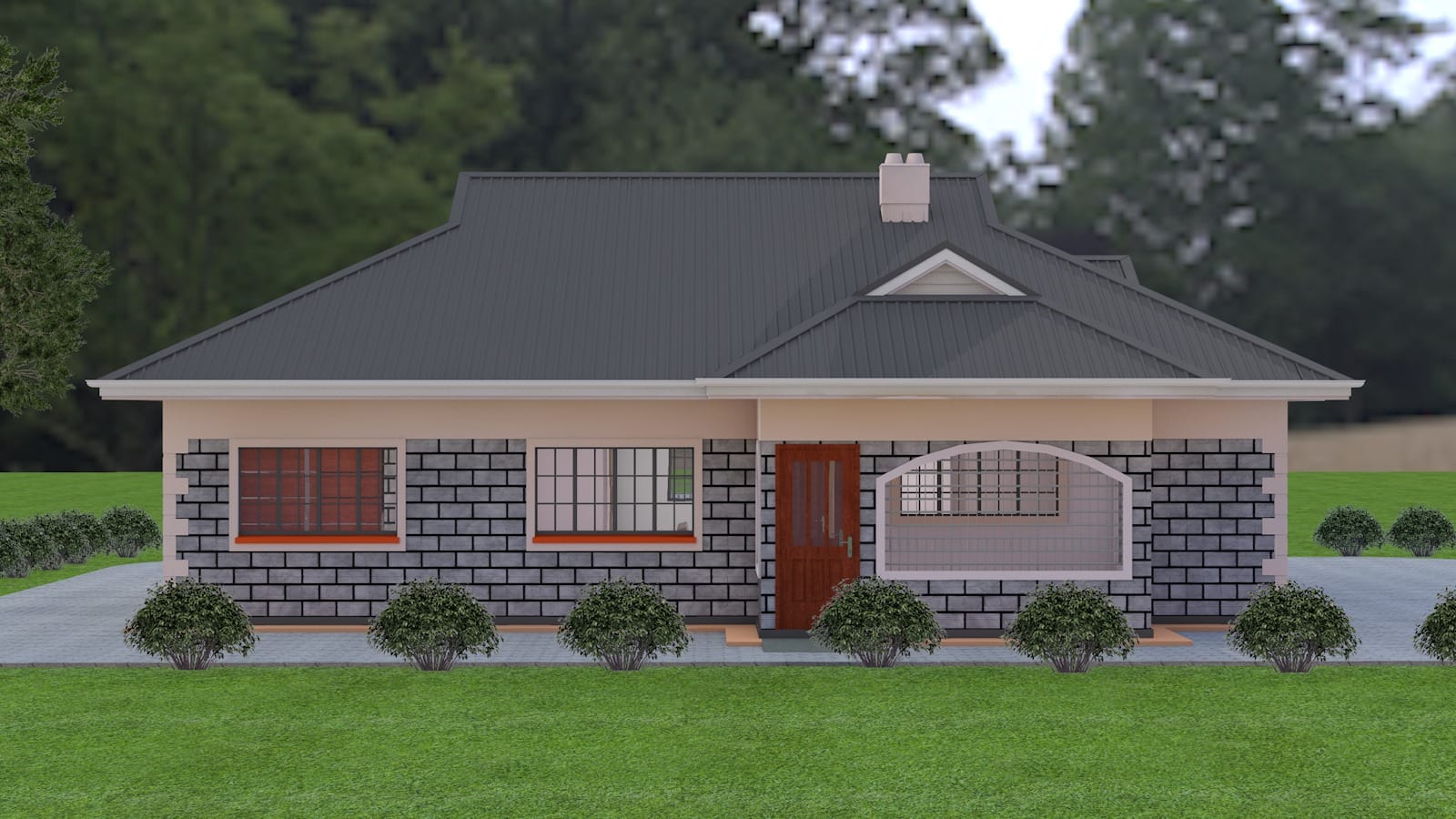
Below are the most important features of a best house design for hot, humid climate and how they help create an energy-efficient, cool home.
1. Open Floor Plan for Airflow
A simple tropical house design should maximize natural airflow. An open floor plan allows air to circulate freely, preventing heat buildup. Removing unnecessary walls and barriers helps maintain a steady breeze throughout the home.
High ceilings are another key feature. Hot air rises, and with high ceilings, it moves away from living spaces, keeping rooms cooler. A well-ventilated ceiling or clerestory windows can further enhance this effect by allowing warm air to escape.
Wide hallways and open-concept living areas improve airflow between rooms. When paired with strategically placed windows and doors, they create cross-ventilation. This means fresh air enters from one side and pushes out warm air from the other, reducing indoor temperatures.
In tropical house plans, using large sliding or bi-fold doors is a smart way to connect indoor and outdoor spaces. This design not only enhances ventilation but also blends the home with nature, making the living environment more comfortable.
For an even cooler home, consider using courtyards or atriums within the floor plan. These open spaces act as natural cooling zones by drawing in fresh air while allowing heat to dissipate. A well-designed best house design for hot, humid climate ensures that air moves efficiently, reducing the need for artificial cooling.
Beware of Over-Ventilation in Humid Climates
While maximizing airflow is essential in a tropical house plan, too much ventilation can backfire—especially in hot, humid climates. When overdone, increased airflow may actually raise indoor humidity, making the home uncomfortable and potentially damaging.
Common problems caused by over-ventilating include:
- Higher Humidity: Drawing in too much moist outside air can bump up moisture levels indoors, leading to that sticky, uncomfortable feeling you’re trying to avoid.
- Moisture Intrusion: Warm, humid air leaking through unsealed attics, HVAC ducts, or gaps in walls can lead to condensation and, over time, mold or mildew issues.
- Imbalanced Airflow: Poorly planned ventilation can create zones where air doesn’t circulate properly or escapes too quickly, disturbing both comfort and efficiency.
- System Strain: The air conditioning system may have to work overtime to dehumidify all that extra air, increasing energy bills and wear on equipment.
The key is to strike a balance—incorporate plenty of natural ventilation and openings, but pair smart design with quality construction. Seal gaps, balance airflow, and consider climate-appropriate HVAC design to keep your cool—quite literally.
2. Large Windows and Shading
Big windows let in fresh air and natural light. They help cool a home by improving ventilation. To prevent overheating, place windows where they catch breezes but avoid direct sunlight.
Louvered windows work well in a tropical house plan. They tilt open to allow airflow while blocking rain and harsh sun. Sliding or folding glass doors also improve ventilation while connecting indoor and outdoor spaces.
Shading is just as important as window placement. Overhangs, pergolas, and deep eaves block direct sunlight. Trees and climbing plants create natural shade, cooling the air before it enters.
Outdoor blinds and shutters reduce heat while keeping rooms bright. Inside, light-colored curtains or bamboo shades reflect heat away. These simple changes keep a home cool without extra energy use.
3. Energy-Efficient Roof Design
A roof absorbs and traps heat. The right design keeps a home cooler and reduces energy use.
A best house design for hot, humid climate includes a light-colored or reflective roof. Lighter shades reflect sunlight, while dark colors absorb heat. Metal, clay tiles, and cool roof coatings work well in hot weather.
A ventilated roof helps heat escape. Ridge vents, attic fans, or breathable roofing materials improve airflow. This prevents trapped heat from warming indoor spaces.
A sloped roof sheds rain and reduces heat buildup. In a tropical house plan, steep pitches allow warm air to rise and exit. Flat roofs, if used, should have reflective coatings or rooftop gardens to absorb less heat.
Overhangs and eaves provide shade. They block direct sun from hitting walls and windows, keeping interiors cooler. A well-designed roof makes a big difference in home comfort.
4. Natural and Insulated Walls
Walls play a big role in keeping a home cool. The right materials and insulation reduce heat buildup.
A best house design for hot, humid climate uses materials that absorb less heat. Concrete, adobe, and rammed earth stay cool longer. They prevent indoor temperatures from rising too fast.
Insulation slows heat transfer. A well-insulated wall keeps indoor spaces cooler during the day and warmer at night. Double-layered walls with air gaps help block heat. Reflective insulation or thermal barriers add extra protection.
Light-colored walls reflect sunlight. Dark surfaces absorb heat, making rooms hotter. Exterior finishes like stucco or stone improve durability while keeping heat out.
Cross-ventilation also helps. Placing windows on opposite walls improves airflow, cooling rooms naturally. The right wall materials and design create a comfortable, energy-efficient home.
Smart Details for Cool Walls
- Double-paned, Low-E Windows: These reduce solar heat gain and help keep interiors cool. If possible, opt for windows with a low Solar Heat Gain Coefficient (SHGC), and consider some tinting for added protection.
- Sealing and Barriers: Air and moisture barriers, along with quality flashing, help slow thermal convection, reduce air leakage, and prevent moisture issues like mold or mildew.
- Thermal Mass: Using materials like concrete, brick, and tile adds thermal mass. These absorb heat during the day and release it at night, smoothing out temperature swings. Ceramic tile floors, for instance, feel cooler underfoot than carpeting.
- Ceiling Insulation: Make sure there’s adequate ceiling insulation, and that areas like ceiling can lights are properly insulated. This keeps heat from sneaking in at the hottest part of the house.
Cross-ventilation also helps. Placing windows on opposite walls improves airflow, cooling rooms naturally. The right wall materials and design create a comfortable, energy-efficient home.
Key Insulation Questions for Hot Climate Homes
When planning insulation for a house in a hot, humid climate, it’s important to think beyond just the basics. Here are some crucial questions to consider:
- Are the ceilings and attics properly insulated to block heat from above?
- Is there continuous insulation wrapping the exterior walls, such as using rigid foam panels, to prevent heat from sneaking in through gaps?
- Has the slab foundation been insulated along the edges and underneath to stop heat from radiating up into living spaces?
- Are recessed lights (can lights) in the ceiling sealed and insulated to avoid heat leaks?
- Are the HVAC ducts located within the home’s cooled space and tightly sealed, so cool air isn’t lost before it reaches rooms?
By asking these questions up front, you’ll help make sure your home stays cooler, uses less energy, and feels comfortable all year.
5. Outdoor Living Spaces
Outdoor spaces help keep a home cool by reducing indoor heat buildup. They provide shaded areas to relax while improving airflow as well as to increase home aesthetics.
A tropical house plan often includes verandas, patios, or covered decks. These spaces act as a buffer between the sun and indoor rooms. They block heat before it reaches the house.
Compact house forms, rather than sprawling, multi-wing designs, work best in hot, humid climates.
Designs with shaded porches, wraparound verandas, or courtyards that create a shaded open area within the building are especially effective. Courtyards improve ventilation. Surrounded by walls, they create a wind tunnel effect, pulling fresh air through the home. Adding plants or a small water feature cools the air even more.Shade is key. Pergolas with climbing plants, large umbrellas, or trees provide natural cooling. Awnings and retractable shades adjust to block sunlight as needed.
Outdoor kitchens reduce indoor heat. Cooking outside keeps excess heat from building up inside. Well-placed seating areas encourage outdoor living, making the home more comfortable year-round.
Outdoor kitchens reduce indoor heat. Cooking outside keeps excess heat from building up inside. Well-placed seating areas encourage outdoor living, making the home more comfortable year-round.
Smart House Orientation
The way a house is positioned affects how much heat it absorbs. A tropical house plan should be placed to catch natural breezes and avoid harsh sunlight. Proper orientation keeps the home cooler and reduces energy costs.
Face the house away from direct afternoon sun. The hottest part of the day is in the afternoon. Position living areas so they get morning sunlight instead, which is softer and less intense.
Align windows for cross-ventilation. Place windows on opposite sides of the house to create a steady breeze. This natural airflow helps remove warm air and bring in cooler air.
Use shading to control heat exposure. Deep eaves, pergolas, and trees can block the strongest sun while still allowing light inside. Covered outdoor areas like verandas or patios also provide protection from heat.
Consider the local wind direction. If possible, position the house so prevailing winds flow through main living spaces. Louvered windows or vented walls can help direct airflow.
A best house design for hot, humid climate works with nature, not against it. Proper orientation keeps indoor spaces cool and comfortable with less reliance on artificial cooling.
Water Features for Cooling
Water naturally cools the air around it. Adding water features to a tropical house plan helps lower temperatures and improve comfort.
Ponds and fountains absorb heat and cool surrounding areas. As water evaporates, it reduces the air temperature, creating a refreshing breeze. Placing a pond near windows or outdoor seating areas enhances this effect.
Swimming pools are another great cooling feature. A shaded pool lowers the temperature of nearby spaces, making outdoor areas more comfortable. Surrounding it with plants increases cooling while adding beauty.
Water walls or misting systems provide instant relief from heat. A gentle mist cools the air without making spaces feel damp. Installing a water wall near patios or courtyards enhances airflow and creates a relaxing atmosphere.
A simple tropical house design benefits from well-placed water elements. When combined with shading and ventilation, water features help maintain a naturally cool and energy-efficient home.
Energy-Efficient Lighting and Appliances
Energy-Efficient Lighting and Appliances
The right lighting and appliances help keep a home cool while reducing energy use. A best house design for hot, humid climate should minimize heat from indoor sources.
Use LED lighting instead of incandescent bulbs. Traditional bulbs produce more heat, making rooms warmer. LEDs stay cool, last longer, and use less electricity.
Choose energy-efficient appliances. Refrigerators, ovens, and air conditioners generate heat. Look for models with high energy ratings to reduce excess warmth and lower electricity costs.
Place heat-producing appliances wisely. Keep ovens and stoves away from main living areas. Outdoor kitchens and bathrooms are a great option for a tropical house plan, as they prevent cooking heat from affecting indoor spaces.
Use smart home technology. Programmable thermostats, energy-efficient fans, and motion-sensor lights help control temperature and energy use.
An energy-efficient house design for hot climate focuses on reducing unnecessary heat indoors. Choosing the right lighting and appliances keeps the home cooler and more comfortable year-round.
Reduce Heat and Moisture Gains
To go further, consider strategies that address both heat and moisture. Use high-performance windows and ceiling insulation to limit heat entering your home. Select building materials with low emissivity to prevent the absorption of radiant heat, and opt for heat-reflective foil insulation or radiant barrier roof sheathing for roof spaces.
Proper air and moisture barriers, as well as quality flashing, help slow thermal convection and reduce unwanted air leaks. These also keep moisture out of walls—preventing mold and mildew. Materials like thick concrete, brick, or even adobe can provide thermal mass, helping interiors stay cooler by absorbing and slowly releasing heat.
When possible, use ENERGY STAR® rated appliances and LED or fluorescent lights, which not only save energy but also produce less heat to begin with.
By thoughtfully combining efficient lighting, appliance choices, and strategic construction details, your home can stay naturally cooler and more comfortable, even in the hottest and most humid conditions.
HVAC and Ventilation Systems for Hot Climate Homes
Choosing the right HVAC and ventilation setup is essential for staying comfortable in a hot climate—without running up big energy bills or fighting constant humidity.
Natural and Mechanical Ventilation
Start with smart ventilation strategies. An open floor plan naturally encourages air flow, while roof vents, louvered attic vents, and strategically placed ceiling fans push warm air up and out. Don’t overlook bathroom exhaust fans—they whisk away moisture and keep humidity in check.
For added performance, consider a whole-house ventilation system. Systems like energy recovery ventilators (ERVs) and air-to-air heat pumps help maintain steady airflow and temper humidity, making indoor conditions much more bearable.
Avoid Over-Ventilating
It’s important to find the right ventilation balance. Too much outdoor air streaming in can spike humidity levels indoors and work against your cooling efforts. Instead, aim for controlled ventilation. This means tightly sealing the home’s exterior, insulating thoroughly, and using room-to-room transfer vents if needed.
Efficient Air Conditioning
Size matters when it comes to air conditioning. Choose a variable-speed, properly sized A/C unit that matches your climate and square footage—this keeps cooling efficient and steady. For even better control over moisture, supplement your setup with a dedicated dehumidifier, especially if you live somewhere extra muggy.
Seal and Protect Your Ductwork
All ducts and air handlers should be tightly sealed and, ideally, located inside the cooled area of your home. This keeps cool air from escaping and prevents humid attic air from sneaking inside. Make sure to seal up any gaps in the building envelope, too, to keep the outdoor heat where it belongs.
With a smart mix of natural ventilation, properly sized air conditioning, and sealed ductwork, a home in a hot climate can stay cool, dry, and energy-efficient through the most sweltering months.
Air Leakage and HVAC Placement: Why Sealing Matters
Managing humidity and energy efficiency in a tropical home isn’t just about cooling—it’s about stopping excess warm, moist air from finding its way inside in the first place. Gaps, cracks, or leaky ductwork can let humid attic air drift down into living spaces or allow your precious cool air to escape outdoors, making your air conditioner work much harder than it should (and spiking your energy bills).
Proper duct placement and sealing
When ducts are run outside the cooled areas of your home, such as in the attic, they’re exposed to extreme heat and humidity. Unsealed ducts can leak cool air out and draw hot, moist air in. For best results, keep ductwork inside conditioned spaces wherever possible. Use high-quality sealing materials and make sure connections are airtight—this keeps humidity down and ensures every bit of cooled air reaches the rooms you need.
Build a tight envelope
Every small gap in the building—around doors, windows, or in the attic—becomes a path for outside air to sneak in or inside air to leak out. Well-insulated walls, sealed penetrations, and air-tight construction form the backbone of climate comfort. Use insulation with the right moisture resistance for your local climate, and pay close attention to corners and joints.
Balance air flow efficiently
When air can’t circulate properly (for example, from room to room or between floors), some spaces can get stuffy and humid while others feel drafty. Strategically placing transfer vents or installing variable speed ventilation fans helps move air evenly throughout the house, reducing hot spots and keeping humidity in check.
Choose the right HVAC and add dehumidification
A correctly sized, variable speed air conditioning system adapts to your home’s needs and keeps humidity stable. Sometimes, a dedicated dehumidifier can be a smart addition, especially if your home tends to stay muggy even with the A/C running.
Taking these steps will help your tropical house plan stay cool, dry, and energy efficient—even through steamy afternoons and sudden summer storms.
Energy-Efficient House Design for Hot Climates
A well-planned home stays cool without relying too much on air conditioning. The right design reduces energy use and keeps rooms comfortable.
Cross-ventilation is key. Windows placed on opposite walls create a natural breeze, pushing out warm air. Louvered windows and open floor plans improve airflow even more.
High ceilings help hot air rise, keeping living spaces cooler. Adding ceiling vents or clerestory windows lets trapped heat escape.
Shading devices block direct sunlight. Overhangs, pergolas, and deep eaves keep walls and windows from overheating. Trees and plants add extra shade while cooling the surrounding air.
Cool roofs reduce heat absorption. Light-colored tiles, metal roofing, or green roofs reflect sunlight and prevent heat buildup. A ventilated attic or air gap under the roof improves insulation.
Solar panels provide clean energy while shading the roof. They reduce electricity costs and help power fans, cooling systems, and lighting.
Water features lower air temperature. A pond, fountain, or shaded pool cools breezes before they enter the home.
An energy-efficient house design for hot climate focuses on natural cooling, smart materials, and sustainable energy. These elements create a comfortable home while cutting energy costs.
Designing for Hot Climates vs. Cold Climates
Building a home in a hot climate—think steamy Florida or sun-baked Arizona—calls for a different mindset than constructing a cozy retreat up north. In warm regions, the main challenge is keeping interiors cool and dry, not just warm and snug.
Key Differences in Approach
- Managing Heat and Humidity
Instead of trapping warmth like in cold climates, homes in hot areas must deflect heat and promote ventilation. Good airflow, shaded windows, and light-colored exteriors help repel the sun’s rays and encourage a steady, cooling breeze. Insulation is still important, but the focus shifts to keeping heat out rather than holding it in. - Controlling Moisture
Hot, humid climates demand vigilant moisture control to prevent mold and mildew. Unlike in frigid regions where the goal is blocking outside dampness, homes in tropical or subtropical zones need to breathe. Features like vapor barriers, well-placed vents, and moisture-resistant building materials keep interiors fresh and dry. - Smart Window and Door Choices
While double or triple glazing is the star of the show in colder areas, in hot climates the priority is energy-efficient windows that block heat and glare. Look for low-emissivity (low-E) coatings and smart placement that maximizes shade while catching prevailing breezes. - Ventilation and Sealing
Where cold-weather houses are sealed tight to keep warmth in, homes in hot climates blend tight construction with intentional ventilation. Louvered windows, vented roofs, and ceiling fans all work together to move hot air out and cooler air in. - Insulation Tailored to the Climate
Don’t skip the insulation—just tailor it for heat. Materials like rigid foam panels, radiant barriers, and insulated doors help maintain steady, comfortable indoor temperatures. The aim is to block outdoor heat during the day and let the house cool at night.
Ultimately, building in a hot climate means prioritizing shade, airflow, and moisture management, while keeping energy efficiency and comfort front and center.
How to Build a Cool House in a Hot Climate
The right design choices help keep a home cool without heavy air conditioning use. Focus on airflow, shade, and heat-resistant materials.
1. Choose the Right Location
Position the house to catch natural breezes. Avoid placing windows where they face direct afternoon sun. Use trees or nearby buildings for shade.
2. Use Heat-Resistant Materials
The best house material for hot weather absorbs less heat. Concrete, adobe, and rammed earth stay cool longer. Light-colored surfaces reflect sunlight, reducing indoor temperatures.
3. Plan for Natural Cooling
A simple tropical house design includes high ceilings, large windows, and open floor plans. These features improve ventilation and reduce heat buildup.
4. Reduce Artificial Cooling
Install ceiling fans, cool roofs, and solar panels to cut energy use. Use shaded outdoor spaces to lower indoor heat. Proper insulation keeps the house cooler for longer.
5. Incorporate Greenery
Trees, vines, and rooftop gardens provide natural shade. A well-placed water feature cools the air before it enters the home.
A tropical house plan should work with the climate, not against it. Smart design choices create a comfortable, energy-efficient home.
The Risks of Poor Design and Materials
Choosing the wrong house design or using subpar building materials in a hot climate can backfire quickly. An inefficient layout or low-quality construction traps heat indoors, making rooms stuffy and uncomfortable. Moisture issues are also common, often leading to unsightly (and unhealthy) mold or mildew in corners and closets. On top of that, you’ll probably notice higher energy bills as your cooling systems struggle to keep up. That’s why it’s essential to invest in smart planning, good craftsmanship, and the right products upfront—your future comfort and wallet will thank you.
Final Thoughts
A well-designed home stays cool and comfortable, even in extreme heat. The best house designs for hot climates focus on ventilation, shading, and energy efficiency. Smart material choices and thoughtful layouts reduce heat buildup, lowering cooling costs. By following these principles, homeowners can enjoy a naturally cool living space without relying too much on air conditioning.
At Nyolenju Structures, we specialize in designing tropical house plans that fit hot and humid climates. Our expert team creates simple tropical house designs tailored to your needs, ensuring maximum airflow, energy efficiency, and comfort. Whether you’re looking for a best house design for hot, humid climate or a fully customized energy-efficient house design for hot climate, we provide detailed plans that include foundation layouts, material recommendations, and climate-specific design strategies.
If you’re ready to build a cool house in a hot climate, let us help you get the perfect design. Get the best services that will help you in maximizing your propertys potential, we maximize your homes coolness. Contact the Nyolenju Structures team today through our website, WhatsApp to start your project!