
Interior Design, Architecture, Construction
14 Best Types of Wood and Their Uses in Construction
Jan
Introduction to Wood in Construction
Types of wood and their uses shape how builders plan, design, and complete structures of all sizes. Wood feels familiar, reliable, and easy to work with. It has served builders for centuries and still holds its place today. From simple homes to complex buildings, wood adapts to many needs without losing strength.
Wood offers a rare balance of strength and flexibility. It supports heavy loads while staying light enough to handle easily. Builders can cut, drill, and shape it without complex tools. This saves time on site and reduces labor costs. Wood also blends well with other materials like concrete and steel.
Another reason wood stays popular is comfort. It creates warm spaces that feel natural and welcoming. Wood helps regulate indoor temperature and reduces noise. It also fits both modern and traditional designs with ease. When chosen correctly, wood lasts for decades and ages with character.
Understanding wood types helps avoid costly mistakes. Some woods handle moisture well, while others suit dry indoor spaces. Some woods focus on strength, while others focus on appearance. Knowing these differences leads to safer builds and longer lasting results.
Softwood Types Commonly Used in Construction
Softwood types play a major role in modern building projects. Builders rely on them for frames, supports, and large structures. These woods come from fast growing trees, which keeps supply steady and prices fair. Their light weight also makes transport and handling easier on site.
Softwoods cut and shape with little effort. This speeds up work and lowers tool wear. Many softwoods accept nails and screws without splitting. They also take paint and stain well, which helps with finishing work. Because of this, softwoods suit both structural and visual tasks.
Another key benefit is availability. Softwoods grow in many regions and reach harvest age quickly. This makes them easy to source for large projects. Builders often choose softwoods when cost control matters. They deliver solid performance without high expense.
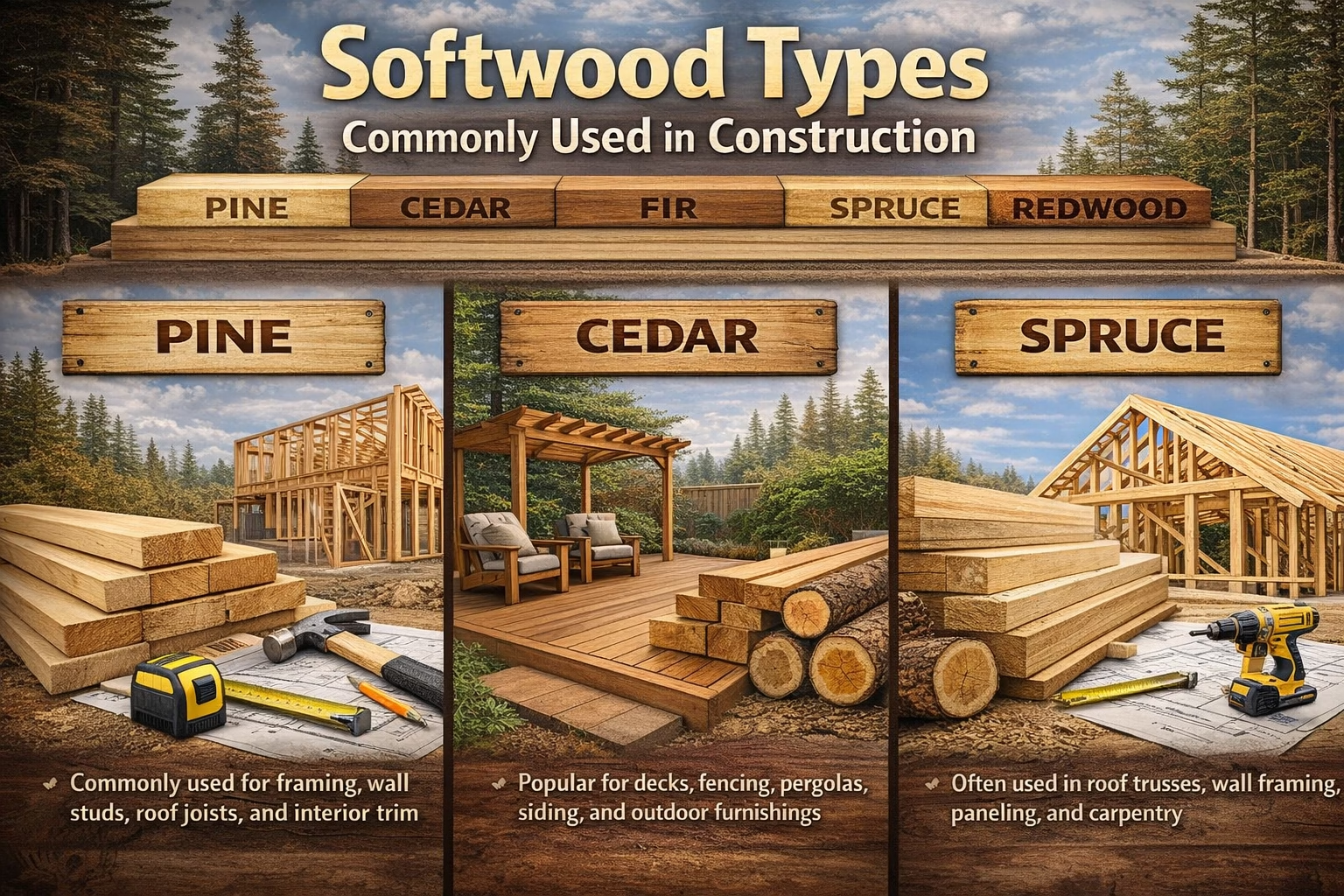
Below are some of the most common softwood types used in construction today.
Pine Wood
Pine wood stands as one of the most widely used materials in construction. Builders value it for its balance of strength and flexibility. It grows fast and remains easy to source in many regions. This keeps costs low and supply steady.
Pine feels light yet reliable under load. It cuts clean and holds fasteners well. Builders shape it without special tools, which speeds up work. Its smooth grain also accepts paint and stain with ease.
Another benefit of pine is versatility. It fits both structural and finish roles. When treated properly, it performs well in many environments. Pine also adapts to both modern and traditional designs.
Uses of Pine in Construction
Builders use pine for wall studs, roof frames, and floor joists. It also suits doors, trims, and window frames. Pine works well for cabinets and basic furniture. With proper treatment, it can support light outdoor structures too.
Cedar Wood
Cedar wood stands out for its natural beauty and durability. Its distinctive aroma comes from natural oils that help repel insects and resist decay. This makes cedar a favorite for projects that face moisture or outdoor exposure.
Cedar is lightweight and easy to work with. Builders can cut, nail, or shape it with simple tools. Its straight grain allows smooth finishes, and it holds paint or stain well. Over time, cedar develops a natural silver-gray patina when left untreated, which many people find appealing.
Another advantage of cedar is its stability. It resists warping, shrinking, and swelling better than many softwoods. This makes it ideal for structures that must endure changing weather without losing shape or integrity.
Uses of Cedar in Construction
Cedar is perfect for outdoor projects such as decks, fences, pergolas, and siding. Builders also use it for roofing shingles and garden structures. Its natural oils make it long-lasting with minimal maintenance. Cedar also works well indoors for closets, paneling, and decorative beams, adding both elegance and practicality.
Spruce Wood
Spruce wood is a lightweight yet reliable option for many construction projects. Its pale color and straight grain make it easy to work with and visually appealing. Builders appreciate spruce for its consistent strength, which performs well in both framing and general carpentry.
Spruce cuts cleanly and holds nails and screws securely. It also bends without breaking, making it suitable for trusses and other structural components. Its uniform texture allows smooth finishes and easy painting or staining, which is ideal for visible surfaces.
Another benefit of spruce is affordability. It grows quickly, so supply is abundant, keeping costs reasonable. While it is not as naturally resistant to decay as cedar, proper treatment can extend its life and protect it from moisture and pests.
Uses of Spruce in Construction
Spruce is commonly used for roof trusses, wall studs, and framing systems. Builders also employ it for paneling, doors, and general carpentry work. It performs best in dry, protected areas but can be treated for outdoor use when needed. Its combination of strength, lightness, and workability makes it a versatile choice for many projects.
Fir Wood
Fir provides higher strength than many other softwoods. Its straight grain helps it carry heavy loads with ease.
Uses of Fir in Construction
Builders choose fir for beams, posts, and floor systems. It also works well for plywood and structural panels. Fir holds fasteners tightly and resists warping.
Redwood
Redwood resists decay and insect damage naturally. It also stays stable under changing weather.
Uses of Redwood in Construction
Builders use redwood for decks, patios, and exterior cladding. It also fits outdoor furniture and decorative features. Its rich color adds appeal without extra finishes.
Softwood types remain a smart choice for many construction needs. They offer strength, value, and easy handling in one package. When used correctly, softwoods support durable and efficient building projects.
Hardwood Types Used in Construction
Hardwood types bring strength, weight, and visual appeal to construction projects. These woods come from slow growing trees, which makes them denser and more durable. Builders often choose hardwood when a structure needs to last long and look refined.
Hardwoods handle wear better than many softwoods. They resist dents, scratches, and daily impact. This makes them ideal for high traffic areas inside buildings. Hardwood also holds fasteners well and stays stable over time.
Another reason builders prefer hardwood is appearance. The grain patterns look rich and natural. Many hardwoods darken with age, adding character to spaces. When used correctly, hardwood adds value to homes and commercial buildings.
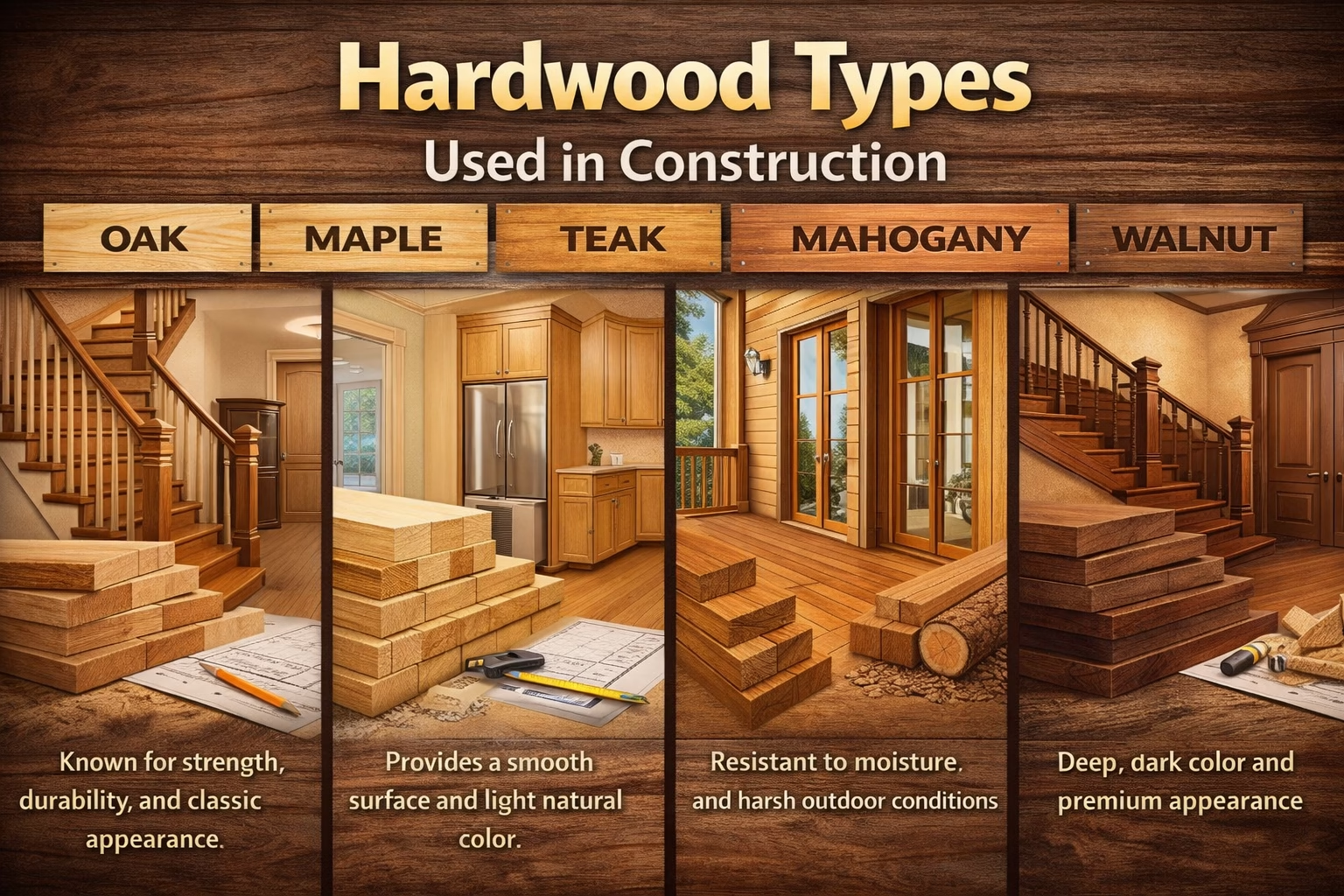
Below are some of the most common hardwood types used in construction today.
Oak Wood
Oak wood is one of the most trusted hardwoods in construction. It is strong, dense, and built to last, making it ideal for both structural and decorative uses. Its pronounced grain and rich color give spaces a classic and elegant look.
Oak resists wear and impact better than many other hardwoods. It holds nails and screws firmly and maintains its shape over time. This stability makes it perfect for areas that experience frequent use or heavy foot traffic. Oak can also be stained or polished to enhance its natural beauty.
Another advantage of oak is versatility. It works well in floors, furniture, beams, and cabinetry. Its durability ensures long-term performance, while its aesthetic appeal adds value to any project.
Uses of Oak in Construction
Builders often use oak for flooring, staircases, and support beams. It also works well for doors, window frames, and cabinets. Oak is ideal for high-traffic areas like hallways and living spaces, as it withstands wear while maintaining its elegant appearance. Its combination of strength, beauty, and longevity makes it a top choice for premium construction projects.
Maple Wood
Maple offers a smooth surface and solid strength. It resists dents better than many other woods.
Uses of Maple in Construction
Builders use maple for floors, wall panels, and trim. It also fits cabinets and storage units. Its light color helps brighten indoor spaces.
Teak Wood
Teak contains natural oils that protect it from moisture. It stays stable even in harsh weather.
Uses of Teak in Construction
Builders use teak for outdoor decking and exposed structures. It also suits doors, windows, and marine projects. Teak lasts long with minimal care.
Mahogany
Mahogany is a premium hardwood valued for its deep color, fine grain, and remarkable stability. It combines strength with elegance, making it a favorite for high-end construction and interior projects. Builders appreciate mahogany for both its durability and luxurious appearance.
Mahogany resists warping, shrinking, and splitting, even in areas with fluctuating temperature and humidity. It cuts and shapes cleanly, allowing for precise joinery and smooth finishes. Its rich reddish-brown hue deepens over time, adding character and warmth to any space.
Another benefit of mahogany is its versatility. It can be used for structural elements that require strength as well as for decorative features that demand beauty. Its natural density also helps it withstand daily wear, making it ideal for both functional and aesthetic applications.
Uses of Mahogany in Construction
Builders use mahogany for doors, handrails, and window frames due to its strength and beauty. It also suits wall panels, cabinetry, and staircases where a polished, luxurious finish is desired. Mahogany adds elegance to living spaces while providing long-lasting structural support, making it a reliable choice for premium residential and commercial projects.
Walnut Wood
Walnut combines strength with elegant appearance. Its dark shade gives a premium feel.
Uses of Walnut in Construction
Builders use walnut for interior trim and decorative panels. It also works for cabinets and specialty flooring. Walnut adds style to living and work spaces.
Hardwood types serve both structural and visual roles in construction. They cost more but deliver long term value. When chosen well, hardwood strengthens buildings while enhancing their overall look.
Engineered and Specialty Woods
Engineered and specialty woods solve many limits found in solid wood. Builders design them by bonding layers, fibers, or strands together. This process improves strength, size control, and consistency. These woods also help reduce waste and lower overall costs.
Engineered woods stay stable under changing conditions. They resist warping, cracking, and shrinking better than solid boards. This makes them ideal for large surfaces and long spans. Builders trust them for modern construction needs.
Specialty woods also support smart material use. They allow builders to use small wood pieces efficiently. This helps conserve natural forests. Many engineered woods suit both structure and finish work.
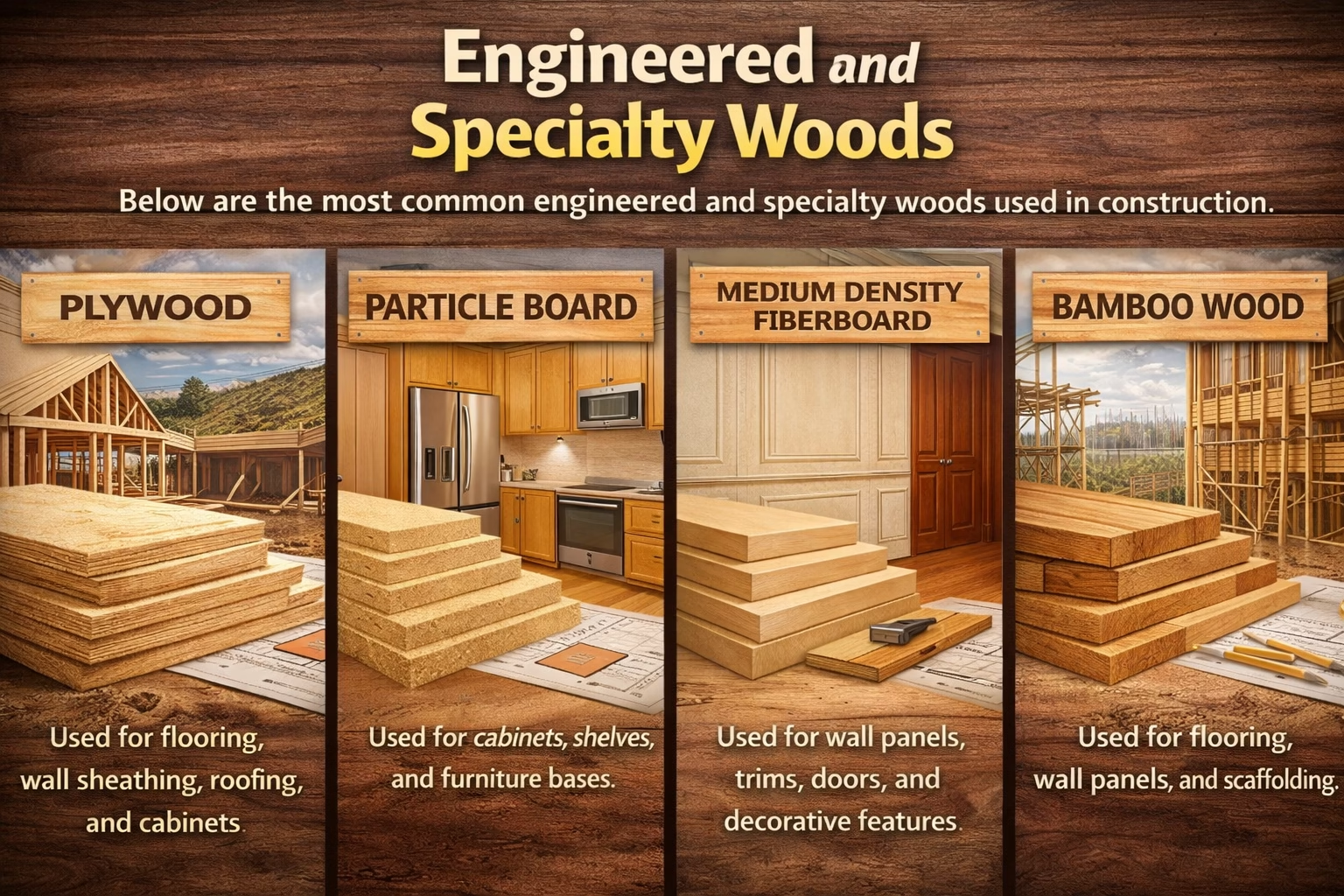
Below are the most common engineered and specialty woods used in construction.
Plywood
Plywood consists of thin wood layers bonded together. Each layer runs across the next for added strength.
Uses of Plywood in Construction
Builders use plywood for flooring, wall sheathing, and roofing. It also works for formwork and cabinets. Plywood resists splitting and handles load well.
Particle Board
Particle board uses wood chips pressed with resin. It offers a low cost alternative to solid wood.
Uses of Particle Board in Construction
Builders use particle board for cabinets, shelves, and furniture bases. It works best in dry indoor spaces. Moisture exposure can weaken it quickly.
Medium Density Fiberboard
This wood uses fine fibers pressed into smooth panels. It offers a clean and even surface.
Uses of MDF in Construction
Builders use MDF for wall panels, trims, and doors. It also suits cabinets and decorative features. MDF paints well and gives a smooth finish.
Bamboo Wood
Bamboo grows fast and renews quickly. It offers strength with natural flexibility.
Uses of Bamboo in Construction
Builders use bamboo for flooring, wall panels, and ceiling features. It also works for scaffolding in some regions. Bamboo supports eco friendly building goals.
Engineered and specialty woods expand building options. They offer strength, stability, and efficient material use. When chosen well, they improve performance and reduce construction costs.
How to Choose the Right Wood for Your Project
Choosing the right wood shapes the success of any building project. Each type of wood serves a clear role. Picking the wrong one leads to damage, waste, and early repairs. Smart choices protect both structure and budget.
Builders first define how the wood will function. Structural parts demand strength and stability. Finish parts focus more on look and surface quality. Clear purpose guides the selection process.
Conditions on site also matter. Heat, moisture, and insects affect wood behavior. Matching wood type to these factors improves long term performance.
Below are key factors that guide wood selection.
Strength and Load Needs
Some parts carry weight every day. Beams, floors, and frames need strong wood. Fir, oak, and maple handle stress well. Light duty areas can use pine or spruce.
Weather and Moisture Exposure
Outdoor projects face rain and sun. Wood must resist rot and swelling. Cedar, teak, and redwood perform well outside. Indoor spaces allow more flexibility.
Cost and Availability
Budget affects every build. Softwoods cost less and stay widely available. Hardwoods cost more but last longer. Engineered woods balance price and performance.
Maintenance Requirements
Some woods need regular care. Others stay strong with little effort. Teak and cedar need less upkeep outdoors. Pine may need sealing and repainting.
Appearance and Design Style
Wood affects the final look. Dark woods feel rich and formal. Light woods feel clean and modern. Match wood tone to the design theme.
Ease of Installation
Some woods cut and fasten easily. Others need special tools and skill. Softwoods install faster on site. Hardwoods take more time and care.
Resistance to Pests
Insects can damage wood over time. Some woods resist pests naturally. Cedar and teak repel insects well. Treated wood also improves protection.
Sustainability and Source
Responsible sourcing matters today. Fast growing woods reduce forest strain. Bamboo and pine support eco friendly building. Always check certified sources.
Choosing the right wood means balancing many factors. Strength, cost, climate, and design all play a role. When these align, the project performs better and lasts longer.
Conclusion
Wood remains one of the most trusted materials in construction today. Each wood type serves a clear role, from strong frames to fine interior finishes. Understanding these differences helps builders avoid mistakes and improve build quality. The right wood choice supports safety, comfort, and long term value.
Construction projects succeed when planning comes first. Wood selection should match design goals, climate, and budget. A well planned structure lasts longer and costs less to maintain. Good choices at the start prevent problems later.
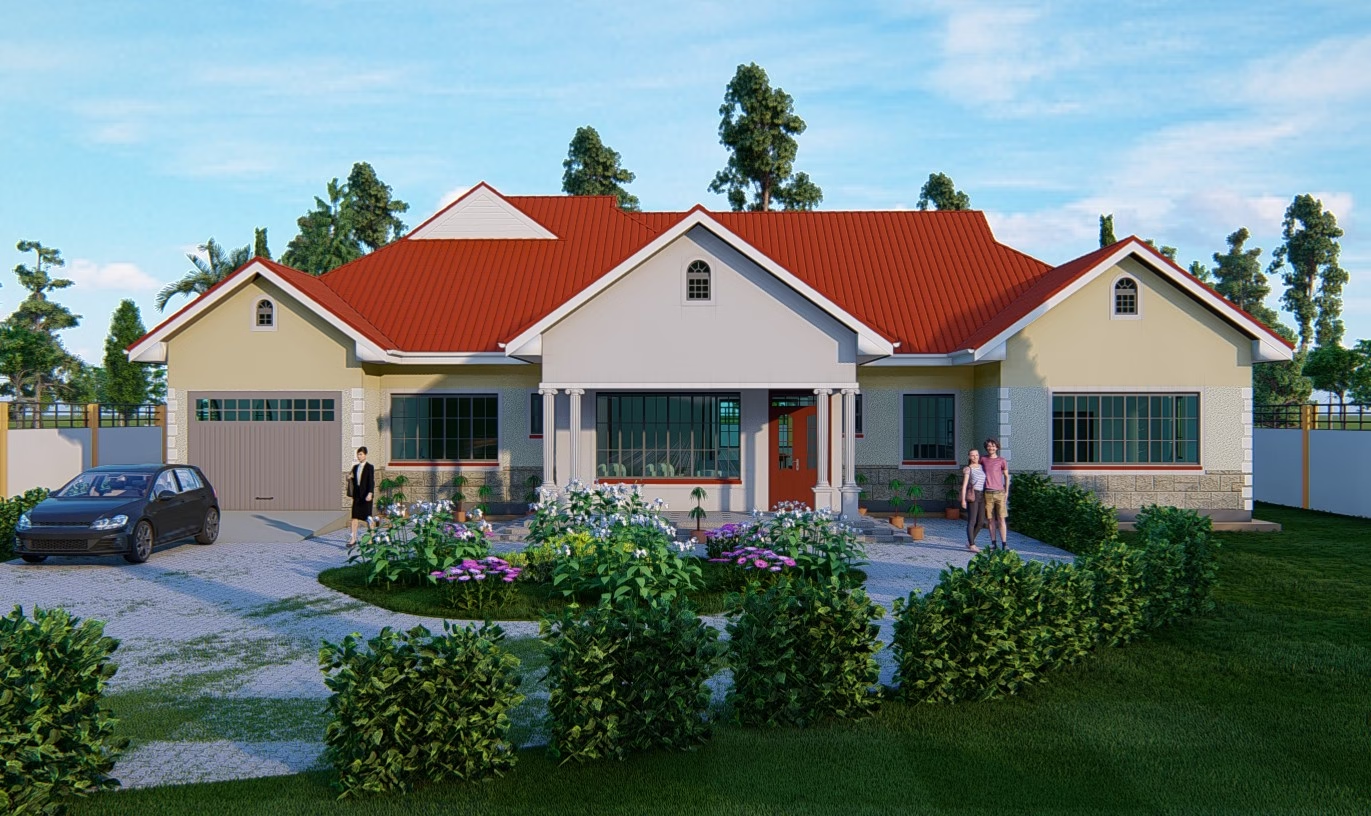
This is where expert guidance matters. Nyolenju Structures designs smart and practical house plans that match the right materials to each project. Their designs focus on strength, function, and lasting value. With the right plan, every piece of wood works as intended.
If you plan to build or remodel, start with a solid design. Reach out to Nyolenju Structures for professional house plans tailored to your needs. A strong home begins with the right design and the right materials.
Frequently Asked Questions
What is the best wood for house framing
Pine, spruce, and fir work best for house framing due to strength and cost balance.
Which wood lasts longest outdoors
Teak, cedar, and redwood last longest outdoors due to natural resistance.
Is hardwood stronger than softwood
Hardwood usually feels denser, but some softwoods handle heavy loads very well.
Can engineered wood replace solid wood
Engineered wood can replace solid wood in many cases, especially for panels and floors.
Which wood is best for eco friendly construction
Bamboo ranks high due to fast growth and low environmental impact.