
Interior Design
25 Best Types of Curtains You Should Consider Using in Your House

Jan
Types of curtains play a quiet but powerful role in how a home feels each day. Many people choose curtains fast and regret it later. Rooms feel too dark or too exposed. Heat slips in during hot afternoons. Cold air settles in at night. Noise travels without resistance. Style feels unfinished and unbalanced.
We see this problem in many homes. Curtains often get treated as simple decor. In reality they shape comfort, mood, and daily habits. The wrong choice creates small stress every day. The right choice brings ease and calm without effort.
Light control matters more than most expect. Privacy affects how safe a space feels. Fabric weight changes room temperature. Color shifts the mood of a room. Length and width affect how large a space feels. Every detail adds up.
We approach curtains with purpose. Each room has different needs. A bedroom needs rest and darkness. A living room needs light and warmth. A kitchen needs ease and brightness. One curtain type never fits all spaces.
This guide focuses on clarity. We cover curtain types that solve real problems. We focus on comfort, function, and lasting style. Each option serves a clear role. This helps avoid costly mistakes.
By understanding these choices, homes feel finished and intentional. Daily living improves in subtle ways. Curtains stop being an afterthought. They become a quiet upgrade that supports better living.
Types of Curtains
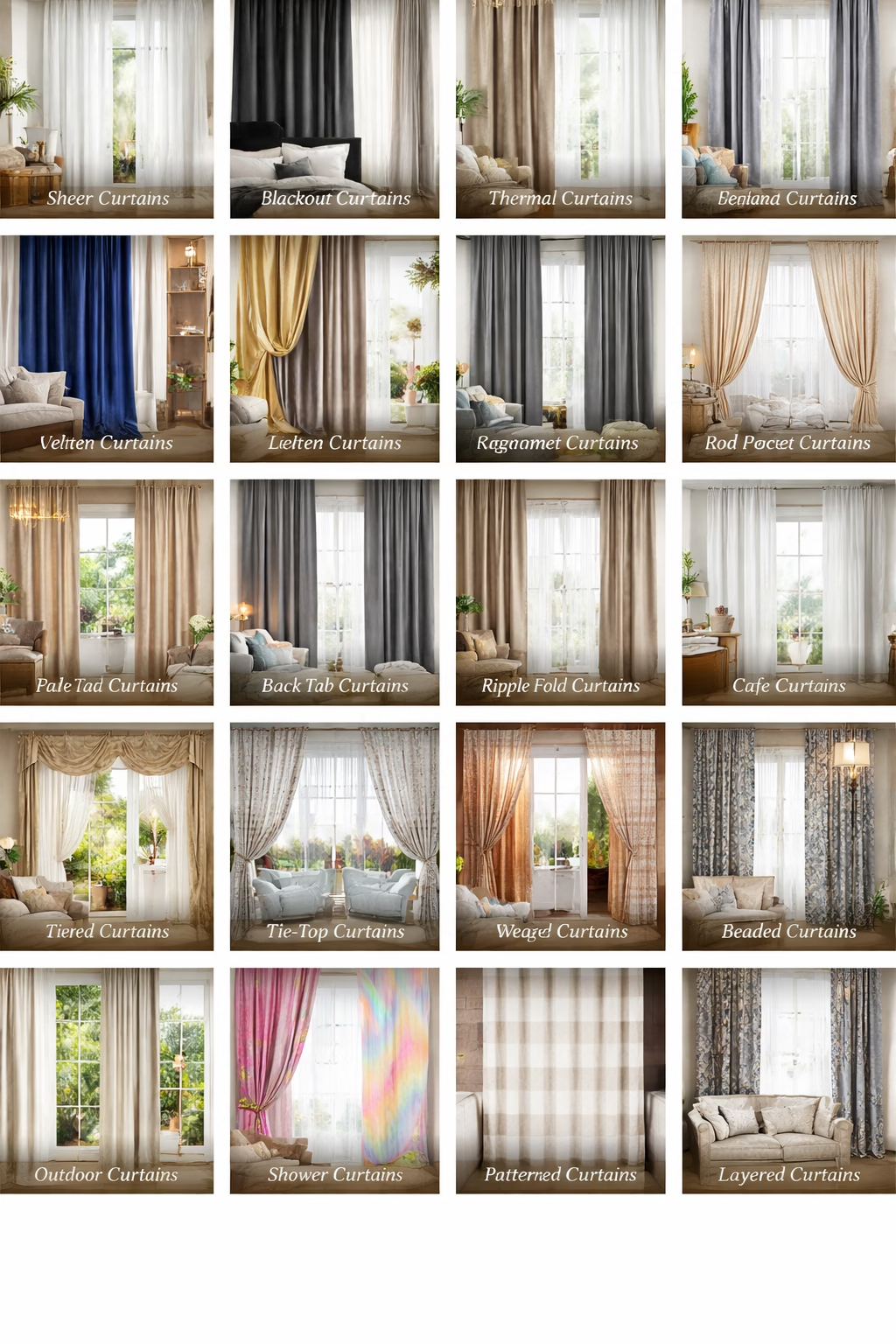
1. Sheer Curtains
Sheer curtains bring softness and light into a home. They filter sunlight without blocking it fully. Rooms stay bright while glare reduces. This balance creates a calm and open atmosphere.
These curtains work best in shared living spaces. Living rooms feel welcoming. Dining areas feel relaxed. Natural light flows throughout the day. Spaces feel larger and more breathable.
Privacy stays light with sheer fabrics. Shapes and movement remain visible from outside. This suits homes without close neighbors. Layering helps improve privacy when needed.
Sheer curtains pair well with heavier panels. Daytime light stays gentle. Evening privacy stays protected. This combination offers flexible control.
Fabric choice affects durability. Polyester sheers resist wrinkles. Cotton blends feel softer. Proper care keeps them fresh and clean.
Color choice matters with sheer styles. White and off white reflect light best. Soft neutrals blend easily. Bold colors feel heavier and reduce openness.
Sheer curtains also soften interior lines. Hard edges fade. Windows feel less rigid. Rooms gain a relaxed flow.
When used with purpose, sheer curtains enhance daily comfort. They allow light to work naturally. Homes feel airy, calm, and welcoming without effort.
2. Blackout Curtains
Blackout curtains offer strong control over light and privacy. They block outside light almost completely. Rooms stay dark even during bright hours. This creates a calm and restful environment.
These curtains work best in bedrooms. Sleep quality often improves. Early morning light stays out. Evening rest feels deeper and more consistent.
Media rooms also benefit from blackout curtains. Screen glare reduces. Viewing feels clearer and more focused. Daytime use stays comfortable.
Privacy improves with thick fabric layers. Outside views stay blocked. Homes feel secure and protected at all times.
Temperature control improves as well. Blackout curtains reduce heat during hot days. They help retain warmth at night. Indoor comfort stays stable.
Fabric weight adds a sense of quiet. Street noise feels softer. Rooms feel insulated from activity outside.
Design options remain wide. Blackout curtains come in many colors and textures. Style does not get sacrificed for function.
When used correctly, blackout curtains support rest and comfort. They create a controlled space. Daily routines feel easier and more balanced.
3. Thermal Curtains
Thermal curtains help regulate indoor comfort throughout the day. They use thick fabric and special lining. Heat transfer reduces noticeably. Rooms feel more stable in all seasons.
These curtains work well in areas with strong weather changes. Hot sunlight stays outside during the day. Cold air stays out at night. Indoor temperatures remain steady.
Energy use often drops with thermal curtains. Heating and cooling systems work less. Homes feel efficient without added effort.
Bedrooms benefit from the added insulation. Rest feels deeper. Drafts disappear. Living rooms feel warmer during cool evenings.
Thermal curtains also improve sound control. Dense fabric absorbs noise. Street sounds feel reduced. Indoor spaces stay calmer.
Design options stay flexible. Thermal curtains come in many styles and colors. Performance does not limit appearance.
Proper installation matters. Curtains should seal window edges well. Full length panels improve results. Rod placement helps block gaps.
When chosen well, thermal curtains support comfort and savings. They work quietly every day. Homes feel protected, calm, and balanced year round.
4. Linen Curtains
Linen curtains bring natural texture and elegance to any room. They feel light yet substantial, creating a relaxed and welcoming atmosphere. The fabric allows gentle light to filter through, softening the space without making it dark.
These curtains work well in living rooms and bedrooms. They add warmth while keeping the room bright. Linen’s natural weave creates subtle patterns that enhance visual interest without overwhelming décor.
Linen curtains are breathable and comfortable. They help regulate indoor temperature by letting air flow while still providing privacy. This makes rooms feel fresh and airy.
Pairing linen with a lining improves light control and durability. Lining protects the fabric from sun damage and extends its lifespan. Layering with heavier curtains adds versatility for privacy and insulation.
Color choice is simple but effective. Neutral shades like cream, beige, and soft gray highlight linen’s texture. Pastel tones add softness without clashing with furniture or walls.
Maintenance is easy with modern linen blends. Many fabrics resist wrinkles and fading. Regular light washing keeps them looking crisp and fresh.
Linen curtains also soften room lines. Hard edges of windows and furniture appear gentler. Spaces feel balanced, calm, and inviting.
When used thoughtfully, linen curtains combine beauty and function. They enhance daily living with natural light, privacy, and style, making homes feel comfortable and elegant every day.
5. Cotton Curtains
Cotton curtains are a versatile and practical choice for any home. They feel soft, lightweight, and easy to manage. The fabric balances light and privacy, letting rooms feel bright while keeping interiors comfortable.
These curtains work well in living rooms, bedrooms, and kitchens. Patterns and colors vary widely, making it easy to match existing décor. From simple solids to lively prints, cotton fits most design styles.
Cotton is easy to maintain. It handles regular washing without losing shape or color. This makes it ideal for busy homes with children or pets. Daily care stays simple and convenient.
The fabric drapes naturally. It creates soft folds that enhance the window’s appearance. Rooms feel welcoming and polished without effort. Cotton also layers well with sheers or heavier curtains for added versatility.
Lightweight cotton provides moderate insulation. It blocks some sunlight while letting air circulate. Thicker cotton or lined panels improve temperature control. Homes stay comfortable in different seasons.
Color and pattern choices allow personality without overwhelming the space. Neutral tones create calm, while vibrant patterns add energy. Matching or contrasting with wall colors helps maintain visual balance.
Cotton curtains also reduce noise slightly. While not as heavy as velvet or thermal options, they soften echoes and street sounds. Spaces feel quieter and more comfortable.
When chosen with care, cotton curtains combine style, comfort, and practicality. They suit everyday living, enhance room aesthetics, and provide reliable performance, making them a dependable choice for any home.
6. Velvet Curtains
Velvet curtains add luxury and depth to any room. The fabric feels rich and soft, giving spaces a warm, inviting atmosphere. Light is blocked effectively, creating a cozy environment.
These curtains work well in living rooms, bedrooms, and formal spaces. Velvet drapes add drama and elegance, making rooms feel complete. Heavy fabric also helps reduce noise, softening echoes from walls and floors.
Velvet curtains come in many colors, from deep jewel tones to classic neutrals. Darker shades create intimacy and focus, while lighter tones bring subtle sophistication without overwhelming the room.
The thick fabric also helps with temperature control. Rooms stay warmer in winter and cooler in summer. Insulation improves comfort without the need for extra energy use.
Layering velvet with lighter sheers creates versatility. Sheers let in soft light during the day. Velvet can be drawn at night for privacy and darkness. This combination offers function and style together.
Velvet drapes hang beautifully, forming soft folds that enhance window shape. High ceilings appear taller. Rooms feel more structured yet welcoming at the same time.
Maintenance is simple with modern velvet blends. They resist crushing and fading, especially with proper lining. Occasional vacuuming or gentle cleaning keeps them looking fresh and luxurious.
When chosen thoughtfully, velvet curtains transform rooms. They provide elegance, comfort, and quiet insulation. Daily living feels richer, calmer, and more refined with these bold, stylish panels.
7. Silk Curtains
Silk curtains bring elegance and sophistication to any room. The fabric has a natural sheen that catches light softly, adding subtle sparkle and depth. Rooms feel luxurious without being overwhelming.
These curtains work best in formal living rooms, dining areas, or low-traffic bedrooms. Silk drapes are delicate, so they require careful handling. They create a refined atmosphere where elegance is the focus.
Silk curtains allow some light to filter through while maintaining a sense of privacy. Lining improves functionality by blocking light and protecting the fabric. This ensures the curtains stay beautiful over time.
Color plays a key role with silk. Soft pastels or muted tones create calm and serenity. Rich, deep colors add drama and opulence. Patterns can be subtle, allowing the fabric’s texture to shine.
The fabric drapes fluidly, forming natural folds that add movement to the room. Windows feel framed and intentional, and spaces gain a graceful flow. Silk enhances height perception when hung from higher rods.
Care and maintenance are important. Silk is sensitive to sunlight, moisture, and abrasion. Regular dusting or professional cleaning keeps the curtains looking pristine. Proper lining also extends their lifespan.
Layering silk with sheer curtains adds versatility. Daylight filters softly through the sheer, while silk panels provide privacy and style at night. This combination balances beauty with practicality.
When selected thoughtfully, silk curtains elevate a room instantly. They combine visual elegance, soft light control, and timeless style, making every space feel refined, serene, and luxurious.
8. Voile Curtains
Voile curtains resemble sheer styles. Fabric feels smoother. Light flows freely. Privacy stays light. They suit layered curtain setups.
9. Grommet Curtains
Grommet curtains slide smoothly. Rings create neat folds. Installation feels simple. Modern homes favor this style. Clean lines define the look.
10. Rod Pocket Curtains
Rod pocket curtains create gathered tops. They feel classic. Movement stays limited. These suit decorative spaces more than daily use.
11. Tab Top Curtains
Tab top curtains show fabric loops. They feel casual. Light control stays moderate. Beach and cottage homes use them often.
12. Pleated Curtains
Pleated curtains look structured. Folds hold shape well. Formal rooms benefit. Light control improves. Tailored designs stand out.
13. Pencil Pleat Curtains
Pencil pleat curtains create tight folds. They adjust to different rods. Traditional homes prefer them. Fabric fullness adds depth.
14. Eyelet Curtains
Eyelet curtains offer clean symmetry. Rings enhance flow. Curtains hang evenly. Many modern homes choose this style.
15. Cafe Curtains
Cafe curtains cover lower windows. Light enters freely above. Kitchens and breakfast areas benefit. Privacy stays partial.
16. Layered Curtains
Layered curtains combine sheer and heavy panels. Control improves. Style feels rich. Day and night needs stay covered.
17. Patterned Curtains
Patterned curtains add interest. Rooms gain character. Balance remains important. Neutral walls support bold prints well.
18. Plain Solid Curtains
Plain curtains create calm spaces. They match many styles. Color choice matters most. These suit minimalist homes.
19. Printed Curtains
Printed curtains feature themed designs. Floral and geometric remain popular. Rooms gain personality. Balance keeps harmony.
20. Floor Length Curtains
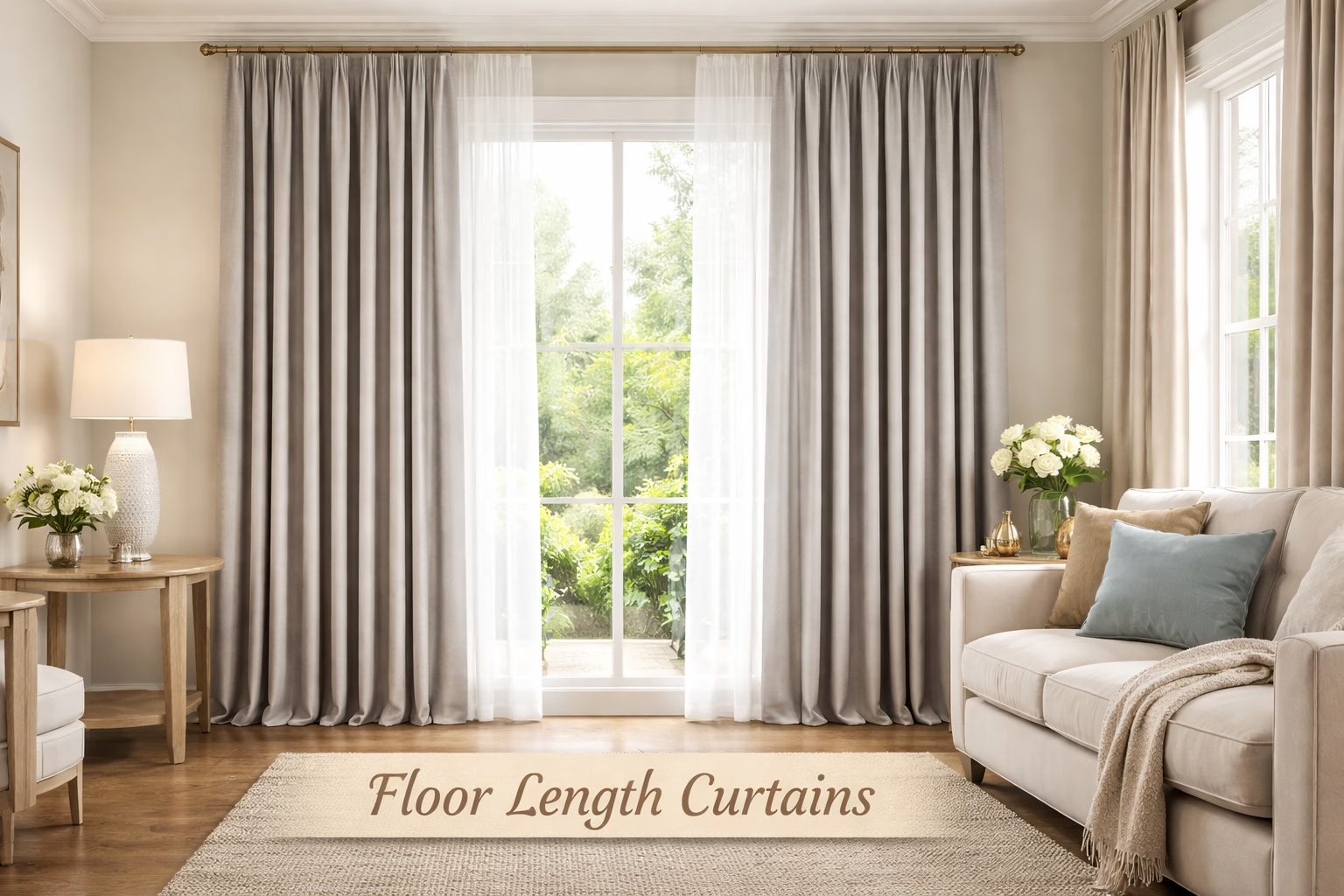
Floor length curtains add height illusion. Rooms feel larger. Proper measurement matters. These suit formal spaces best.
21. Short Length Curtains
Short curtains fit kitchens and baths. Practical use stays easy. Light enters freely. Cleaning feels simple.
22. Motorized Curtains
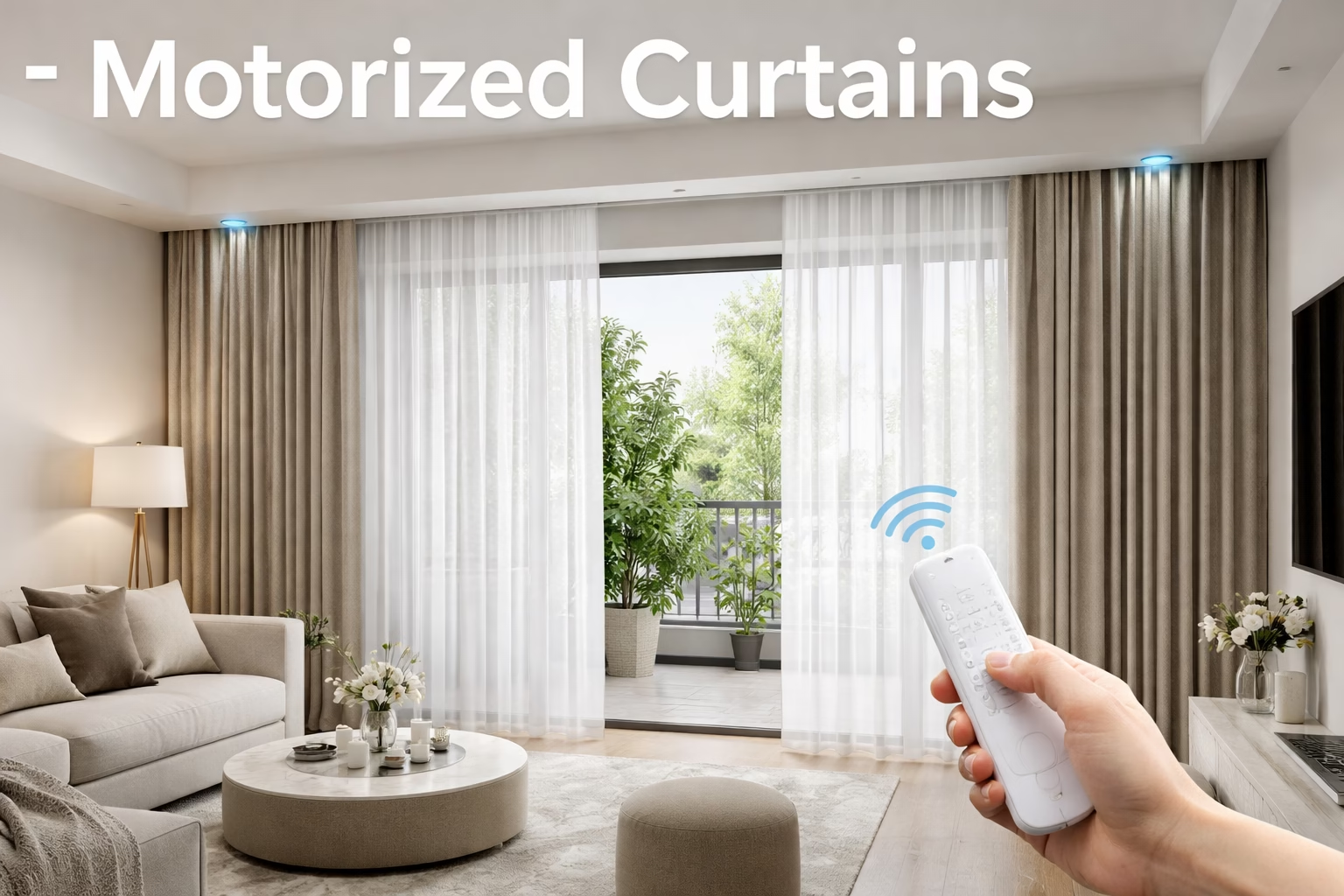
Motorized curtains offer modern comfort. Control feels effortless. Smart homes prefer them. Installation needs planning.
23. Bamboo Curtains
Bamboo curtains bring natural charm. Light filters softly. Privacy stays moderate. Eco focused homes favor them.
24. Roman Curtains
Roman curtains fold neatly. Fabric stacks evenly. Light control improves. Clean designs suit modern interiors.
25. Austrian Curtains
Austrian curtains create soft scallops. Rooms feel elegant. Fabric gathers add drama. Formal spaces benefit most.
How Curtains Transform Daily Living
Curtains influence daily living in ways many people overlook. They shape how each room feels from morning to night. Light enters differently. Shadows soften. Spaces feel calmer and more controlled. This quiet change affects mood without drawing attention.
Morning routines improve with proper light control. Soft light wakes the home gently. Harsh glare gets filtered. Rooms feel welcoming instead of stressful. Even simple tasks feel easier in balanced light.
Privacy brings peace of mind. Curtains create safe boundaries. Homes feel protected from outside view. This comfort allows people to relax fully. Living spaces feel personal and secure.
Temperature control improves comfort throughout the day. Thick curtains reduce heat during hot hours. They block cold drafts at night. Rooms stay stable and pleasant. Energy use often drops as a result.
Sound feels softer with the right fabric. Heavy curtains absorb noise. Street sounds fade. Indoor echoes reduce. Homes feel quieter and more restful.
Curtains also guide how spaces get used. Living rooms feel inviting for guests. Bedrooms support deeper rest. Home offices reduce glare and distraction. Dining areas feel warm and complete.
Visual balance improves instantly. Windows gain structure. Walls feel finished. Ceiling height appears taller. Rooms feel more spacious and intentional.
These changes happen quietly. Curtains work in the background each day. Over time the impact feels clear. Daily life becomes smoother, calmer, and more comfortable without effort.
Choosing the Right Curtain Fabric
Choosing the right curtain fabric defines how a room performs each day. Fabric affects light, comfort, and long term use. Many people focus on color first. Fabric choice matters more.
Light fabrics create an open and relaxed feel. Sheer and voile options allow daylight to flow. Rooms stay bright and breathable. These fabrics suit living areas and shared spaces.
Medium weight fabrics offer balance. Cotton and linen provide privacy without blocking light fully. They feel soft and natural. Daily use stays easy. These fabrics fit most rooms well.
Heavy fabrics change how a room behaves. Velvet and thick blends block light and sound. Bedrooms gain deeper rest. Media rooms feel controlled and calm. These fabrics add warmth and richness.
Thermal lined fabrics improve comfort. They reduce heat transfer. Rooms stay cooler during the day. Warmth stays in at night. Energy use often improves.
Durability matters in busy homes. Synthetic blends resist fading. They handle frequent washing better. Homes with children and pets benefit from these fabrics.
Natural fibers bring texture and warmth. Linen and cotton feel timeless. They suit relaxed interiors. Proper lining helps extend their life.
Fabric choice should match room purpose. Sun exposure matters. Window size affects weight needs. Daily habits guide the best option.
When fabric fits function, curtains work effortlessly. Rooms feel comfortable without adjustment. This quiet balance improves daily living over time.
Curtain Colors and Visual Balance
Curtain colors shape how a room feels the moment you enter. Color influences mood, balance, and visual comfort. A poor color choice creates tension. A good one brings calm without effort.
Light colors open up space. White, cream, and soft gray reflect light well. Rooms feel larger and brighter. These shades suit small rooms and low ceilings.
Dark colors add depth and warmth. Navy, charcoal, and deep green create focus. Rooms feel grounded and cozy. These colors suit large spaces and bright rooms.
Neutral tones offer flexibility. Beige, taupe, and warm gray blend easily. Furniture and decor stay balanced. These colors age well over time.
Bold colors create character. Rich blues, greens, and earthy tones add interest. Balance matters here. Walls and floors should stay simple. This keeps the room from feeling heavy.
Patterned curtains need color control. One main color should match the room palette. Busy prints need calm surroundings. This maintains visual harmony.
Curtain color should relate to wall tone. Matching creates a seamless look. Contrast adds drama. Both work when used with intention.
Natural light changes color appearance. Sun facing rooms brighten shades. Low light rooms deepen them. Testing fabric in daylight helps avoid mistakes.
When color feels balanced, rooms feel complete. The space rests easy on the eyes. Curtains stop standing out. They blend into a calm and unified home.
Proper Curtain Length and Width
Proper curtain length and width shape how polished a room feels. Size affects balance, flow, and comfort. Curtains that fit poorly draw attention for the wrong reasons.
Length sets the tone first. Floor length curtains create a refined look. They add height to the room. Ceilings appear taller. Spaces feel more open and complete.
Curtains that stop short feel unfinished. They break visual flow. Rooms appear smaller. This mistake happens often and reduces impact.
Puddled curtains add softness. Fabric rests lightly on the floor. This suits formal spaces. Care and cleaning need more attention.
Width matters as much as length. Curtains need fullness to look rich. Panels that feel too narrow look flat. Windows lose presence.
A good rule keeps width at double the window size. This allows soft folds when closed. Light control improves. Visual depth increases.
Curtain rods should sit wider than the window frame. This lets panels clear the glass. More light enters when open. Windows appear larger.
Mounting height also matters. Higher rods lift the eye. Walls feel taller. Rooms gain elegance with a simple adjustment.
Proper sizing creates quiet confidence. Curtains hang with ease. Rooms feel balanced and intentional. This small detail makes a lasting difference.
Curtains and Home Value
Curtains influence how a home gets perceived. They affect first impressions more than many expect. Buyers notice comfort, light, and flow right away.
Well chosen curtains suggest care and attention. Rooms feel finished and ready. Windows look framed and intentional. This builds trust with viewers.
Light control improves how spaces photograph. Rooms appear bright but balanced. Glare stays reduced. Online listings look more inviting.
Neutral and classic curtain styles appeal to more buyers. They feel safe and timeless. Personal taste stays subtle. This helps buyers imagine themselves in the space.
Properly sized curtains make rooms feel larger. High mounted rods add height. Full panels add richness. These visual cues raise perceived quality.
Energy efficient curtains signal smart design. Thermal fabrics suggest lower utility costs. Comfort feels built in. Buyers value this feature.
Curtains also support staging efforts. Furniture placement feels clearer. Rooms show purpose. Living areas feel welcoming and calm.
Small upgrades influence value quietly. Curtains cost less than major changes. Their impact feels strong. Homes stand out without extra renovation.
When curtains align with the home style, value rises naturally. The space feels complete. Buyers feel confident. This leads to stronger interest and better offers.
Our Final Thoughts
Our final thoughts center on everyday comfort and lasting value. Curtains may seem minor, yet their impact stays constant. They shape how rooms feel from morning to night.
Poor choices create small daily stress. Light feels harsh. Privacy feels weak. Temperature feels unstable. These issues add up over time.
Thoughtful curtain selection removes these problems quietly. Rooms feel calm and balanced. Light behaves as expected. Comfort improves without effort.
Each home has unique needs. Each room serves a different purpose. Matching curtain type, fabric, size, and color matters. This alignment creates harmony.
Good curtains do not demand attention. They support daily living in the background. They enhance style without overpowering it.
We believe curtains deserve careful planning. They complete a room in ways furniture cannot. Their value shows through daily use.
When chosen with intention, curtains become a long term asset. Homes feel finished and welcoming. Living feels easier and more enjoyable every day.