Construction, Real Estate
9 Ultimate Types of Construction Contractors to Consider for Your Dream Home
Jan
Introduction to Types of Construction Contractors
There are various types of construction contractors that shape how your dream home becomes a real place to live. These professionals plan, manage, and build every part of the project. They turn drawings into walls, rooms, and systems that work together. Without the right contractor, even a great design can fail.
Construction contractors do more than build. They organize people, order materials, and keep work on schedule. Some focus on the whole project, while others handle one specific trade. Each type plays a clear role. Knowing these roles helps you avoid delays, cost overruns, and stress.
Your choice of contractor affects quality, safety, and long term value. A good contractor solves problems before they grow. A poor one creates new problems daily. When you understand the different types, you make smarter decisions from the start.
Why Choosing the Right Contractor is Important
A contractor isn’t just someone who swings a hammer or pours concrete. They’re the project captain. They manage timelines, coordinate teams, control costs, and make sure your dream doesn’t slowly morph into a budget nightmare. Choosing wisely can save you money, stress, and countless sleepless nights.
How Contractors Shape Your Dream Home
Contractors guide your home from the first plan to the final walk through. They turn ideas into real spaces you can see and touch. Every choice they make affects how your home looks and feels.
They control the order of work and keep tasks moving. Good timing prevents wasted days and added costs. Poor timing creates delays that ripple through the whole build.
Contractors choose the right workers for each job. Skilled teams produce strong walls, smooth finishes, and safe systems. Weak teams leave flaws that appear months later.
They manage materials and quality on site. Proper materials last longer and perform better. Cheap or wrong materials lead to repairs and regret.
Contractors also solve problems as they appear. Weather, supply issues, and site limits are common. A strong contractor adapts fast and keeps progress steady.
Clear communication is another key role. Contractors explain options, costs, and changes in plain language. This keeps you confident and involved without feeling overwhelmed.
In the end, contractors shape how your home lives day to day. Comfort, safety, and durability all trace back to their decisions. A skilled contractor helps your dream home stay a dream long after move in.
General Contractors
Design-Build Contractors
Understanding the Design Build Model
Design build contractors handle both planning and construction under one team. Homeowners work with one group from start to finish. This setup reduces confusion and keeps goals aligned.
Design and building happen together instead of in stages. Plans adjust as work moves forward. This saves time and limits costly changes later.
When to Choose a Design Build Contractor
This option works well when speed and clarity matter. It suits homeowners who want fewer meetings and faster decisions. It also helps when budgets need close control.
Design build fits new homes and large remodels. It works best when trust and clear communication are priorities.
Benefits for Homeowners
Homeowners get one clear point of contact. Questions receive quick answers without delay. Fewer handoffs mean fewer mistakes.
Costs stay more predictable from early planning. Timelines remain steady since teams work together daily. The process feels smoother and easier to manage.
Design build contractors simplify complex projects. Their unified approach keeps your dream home moving forward with fewer surprises.
Custom Home Builders
What Makes a Custom Home Builder Unique?
Custom home builders create homes designed around your needs and lifestyle. Every plan starts from scratch instead of a preset layout. You control room sizes, layout flow, and design details.
These builders focus on personal choice and quality. They work closely with you during planning and building. Each decision reflects how you want to live in the space.
Custom builders also handle unique sites well. Sloped land or tight lots need careful planning. Their experience helps avoid costly mistakes.
Ideal Projects for Custom Builders
Custom home builders suit homeowners with clear vision. They work best when no standard design fits your needs. This includes large homes or special layouts.
They are also ideal for long term homes. If you plan to stay many years, custom work adds value. The result feels personal, comfortable, and built to last.
Custom home builders turn ideas into lasting spaces. Their work creates homes that feel truly yours.
Production Home Builders
Overview of Production Builders
Production home builders construct many homes using a small set of plans. These homes often sit within planned neighborhoods. The building process follows the same steps for each house.
Builders focus on speed and consistency. Crews repeat the same tasks each day. This approach reduces errors and keeps timelines predictable.
Cost and Time Advantages
Production builders benefit from bulk material orders. Lower material costs help keep home prices affordable. Short build times allow faster move in dates.
Standard plans also reduce design time. Permits and approvals move faster. This keeps the project on schedule.
Limitations to Keep in Mind
Design choices remain limited with production builders. Floor plans allow only minor changes. Finishes often come from preset options.
Unique features may increase cost or cause delays. This model suits buyers who value speed and price. It works less well for those wanting a personal design.
Production home builders offer a simple path to ownership. Their method favors efficiency over custom detail.
Remodeling Contractors
Whole Home Remodeling Contractors
Whole home remodeling contractors update existing houses from top to bottom. They manage layout changes, system upgrades, and new finishes. Their work improves comfort, safety, and daily function.
These contractors understand older structures. They know how to work around existing walls and systems. This skill helps prevent damage and costly errors.
Whole home remodels require careful planning. Contractors balance design goals with structural limits. Clear planning keeps work moving without major disruption.
Specialized Renovation Contractors
Specialized renovation contractors focus on one area of the home. Common projects include kitchens, bathrooms, and room additions. Their experience brings faster results and clean finishes.
These contractors know local codes for specific spaces. They plan work to fit tight areas. This keeps installations safe and efficient.
Remodeling contractors help homes meet changing needs. Their work extends home life without full replacement.
Specialty Contractors
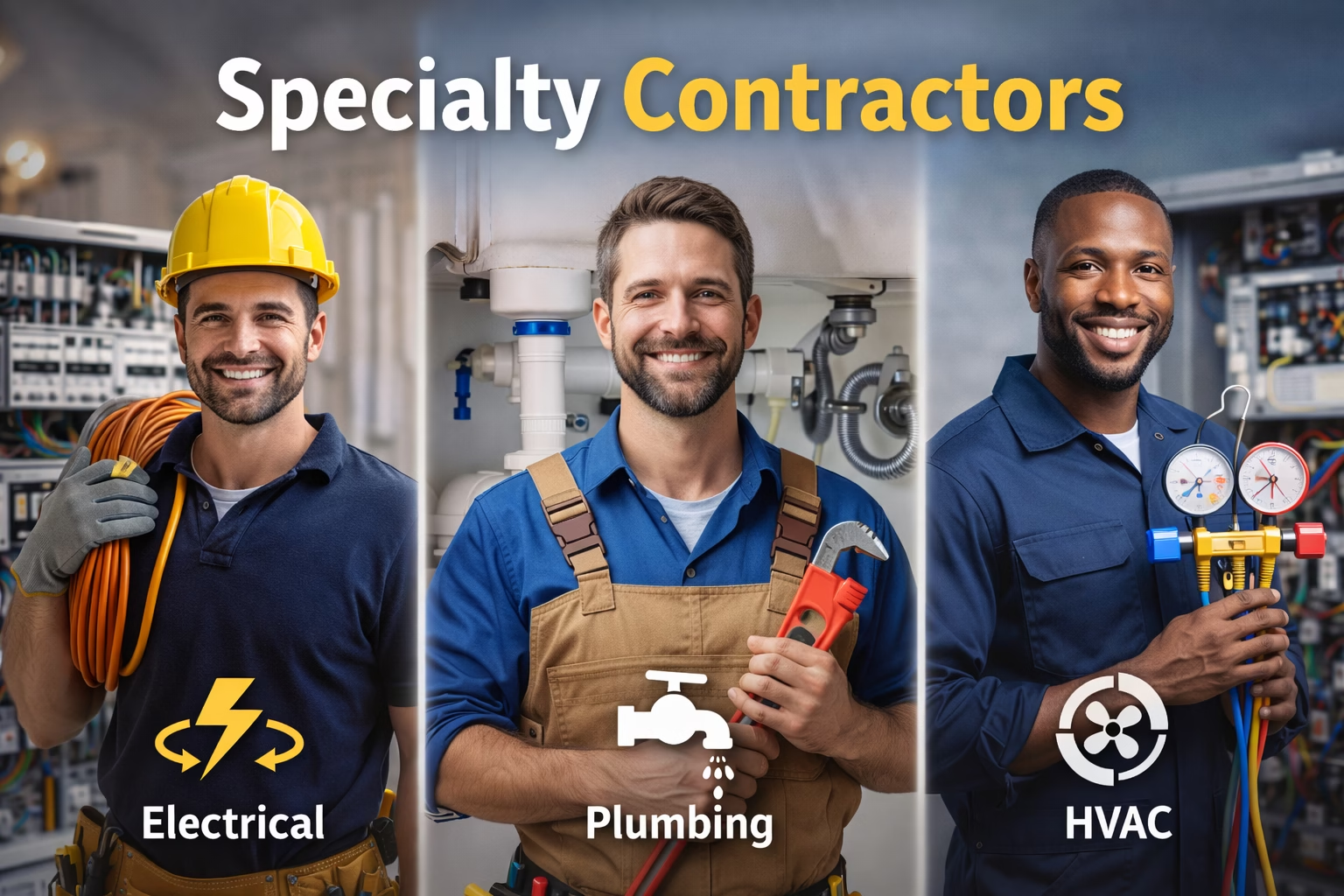
Electrical Contractors
Electrical contractors handle wiring, lighting, and power systems. They install outlets, panels, and safety devices. Their work keeps your home powered and safe.
They follow strict codes during every install. This reduces fire risk and system failure. Skilled work also supports future upgrades.
Plumbing Contractors
Plumbing contractors manage water supply and drainage systems. They install pipes, fixtures, and water heaters. Proper plumbing prevents leaks and water damage.
They test systems before use. This ensures steady pressure and clean flow. Good plumbing supports daily comfort and health.
HVAC Contractors
HVAC contractors control heating and cooling systems. They install units, ducts, and vents. Their work affects air quality and comfort.
Proper setup reduces energy use. Balanced airflow keeps rooms comfortable year round. Routine checks prevent system breakdowns.
Why Specialty Contractors Are Essential
Specialty contractors focus on one trade only. Their deep skill improves safety and performance. General skills cannot replace trained experts.
These contractors handle critical systems in your home. Quality work protects your investment. Skilled specialists help your home function as it should.
Green Building Contractors
Focus on Sustainable Construction
Green building contractors focus on energy efficiency and eco-friendly methods. They plan homes that save energy and resources. Their work reduces waste and lowers utility bills.
These contractors consider sunlight, wind, and water use in every design. They make homes comfortable while using fewer resources. Sustainability guides every choice.
Green construction also improves indoor air quality. Proper ventilation and non-toxic materials create healthier living spaces. Families enjoy safer, cleaner homes.
Eco-Friendly Materials and Practices
Green contractors use recycled and renewable materials whenever possible. Wood, insulation, and flooring are chosen for low impact. They aim to reduce environmental harm.
Water saving systems and energy efficient appliances are common. Solar panels, smart thermostats, and LED lighting are typical features. These upgrades save money over time.
Choosing green building contractors protects the planet and your home. Their methods create durable, safe, and efficient living spaces that last.
Luxury Home Contractors
High-End Craftsmanship Explained
Luxury home contractors focus on premium materials and detailed design. Every element receives careful attention, from stonework to custom finishes. Work is precise and polished.
They coordinate skilled craftsmen for specialized tasks. Woodwork, tile, and metalwork meet exact standards. High quality ensures the home looks impressive and functions perfectly.
Luxury contractors also integrate advanced technology. Smart home systems, automated lighting, and security are installed with care. These features enhance comfort and convenience.
Who Should Hire a Luxury Contractor?
Homeowners building high-end homes benefit most from luxury contractors. If you want unique designs, rare materials, or smart systems, they are ideal.
These contractors suit clients who value quality over cost. They handle complex projects that need skill, patience, and experience.
Hiring a luxury home contractor ensures your house is exceptional. Their work creates beauty, comfort, and lasting value that standard builders cannot match.
Owner-Builder Option
Acting as Your Own Contractor
An owner-builder manages the home project without hiring a main contractor. You hire and supervise workers directly. You also schedule inspections and order materials.
This option gives full control over decisions. You choose every detail from layout to finishes. It also allows you to manage costs closely.
Owner-builders must learn construction basics. Knowledge of building codes, permits, and safety is essential. Mistakes can be costly and delay the project.
Risks and Rewards
Rewards: You save money on contractor fees and make all design choices. You stay fully involved in every step.
Risks: Delays, errors, and legal issues are common for inexperienced builders. Managing multiple workers can be stressful.
Owner-builder projects suit confident, hands-on homeowners. Success depends on planning, organization, and a willingness to learn construction skills.
How to Choose the Right Contractor
Questions to Ask Before Hiring
Ask about licenses and insurance. Verified credentials protect you from legal and financial risks.
Request references from past projects. Speak with previous clients to learn about quality and reliability.
Ask how the contractor handles delays and changes. Understanding their process prevents surprises later.
Check if they provide a detailed estimate. Clear numbers show honesty and planning.
Red Flags to Watch For
Vague or incomplete estimates are warning signs. Avoid contractors who cannot explain costs clearly.
Poor communication indicates future problems. Slow responses or unclear answers create frustration.
High pressure to sign contracts is a red flag. Good contractors give time to consider decisions.
Frequent changing crews or subcontractors can signal poor organization. Stability ensures consistent work quality.
Choosing the right contractor starts with careful questions and close attention. Clear communication and trust are essential for a smooth project.
Cost Considerations and Contracts
Understanding Bids and Estimates
Always compare multiple bids before choosing a contractor. Look at what each price includes.
The lowest bid is not always the best. Quality, materials, and timeline matter more than cost alone.
Ask for a detailed breakdown. Labor, materials, permits, and fees should be clear. This prevents hidden charges.
Check if estimates are fixed or flexible. Understanding this helps plan your budget and avoid surprises.
Contracts, Timelines, and Payments
Always get a written contract before work begins. Contracts protect both you and the contractor.
Include a clear timeline. It helps track progress and hold workers accountable.
Define payment schedules in writing. Pay in stages tied to completed work, not in advance.
Include clauses for changes or delays. This ensures you know how costs or timelines may adjust.
A clear contract and detailed budget prevent disputes. It keeps your project organized and on track.
Conclusion
Building a home isn’t just a construction project. It is a life decision. Every wall, beam, and finish carries your expectations, your budget, and your future comfort. By now, you’ve seen that not all contractors serve the same purpose. Some manage the big picture, others specialize in details, and the best ones bring everything together with clarity and accountability.
The real confidence comes from choosing a contractor who understands both the technical side of construction and the human side of building a home; your needs, your land, your budget limits, and your long-term goals. When those align, construction stops feeling overwhelming and starts feeling exciting.
This is where working with a well-structured, experienced firm makes the difference.
Nyolenju Structures Limited offers exactly that balance. From the earliest planning stages to final execution, we provide end-to-end construction solutions designed to remove guesswork and reduce costly mistakes. Our services span architectural house designs, detailed structural and foundation plans, construction project management, and full building works, ensuring every stage is coordinated and compliant.
If you’re still at the idea stage, Nyolenju helps you translate concepts into clear, buildable designs.
If you already have land, we guide you on what works best for your plot and budget.
If you’re ready to build, we offer professional building services and supervision to ensure quality, durability, and timely delivery.
Instead of juggling multiple contractors and hoping everything aligns, you get a team that understands the whole process; design, approvals, construction, and finishing, working together with one goal: delivering a home you’ll be proud to live in.
Ready to start your dream home the right way?
Visit Our Website to explore our services and see how our expert design and construction solutions can bring your vision to life.
Have a plot of land but unsure what to build?
Reach out to us for professional guidance, custom house plans, and compliant structural designs tailored to your needs.
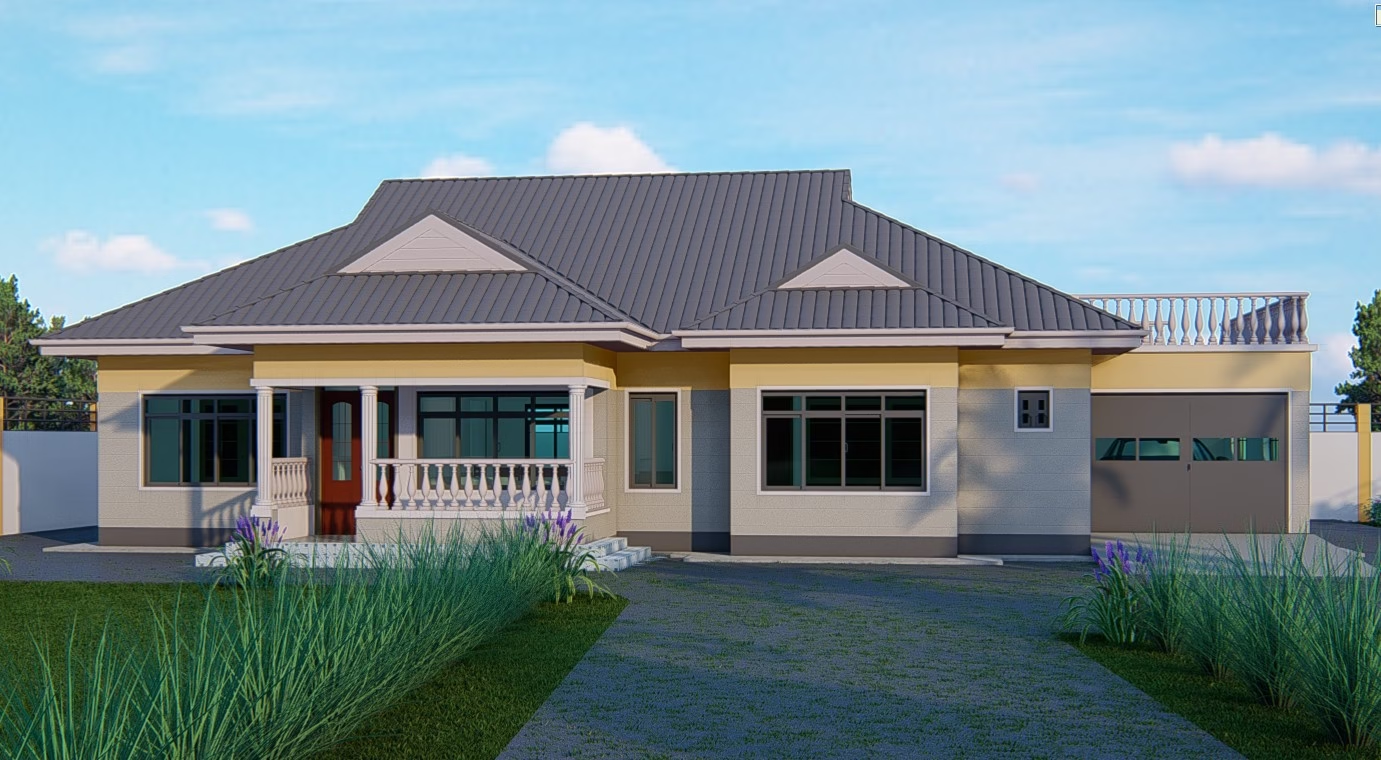
Your dream home shouldn’t feel risky or uncertain. With the right contractor and the right team, it becomes a well-planned journey, from the first drawing to the day you turn the key.
FAQs
1. What type of contractor is best for a custom home?
A custom home builder or design-build contractor is usually the best choice.
2. Is a general contractor worth the cost?
Yes, especially for complex projects where coordination is critical.
3. Can I hire multiple contractors instead of one?
You can, but it requires strong project management skills.
4. How do I verify a contractor’s credentials?
Check licenses, insurance, references, and online reviews.
5. Should I prioritize experience or price?
Experience almost always outweighs price in long-term value.