
Architecture, Construction, House Plans
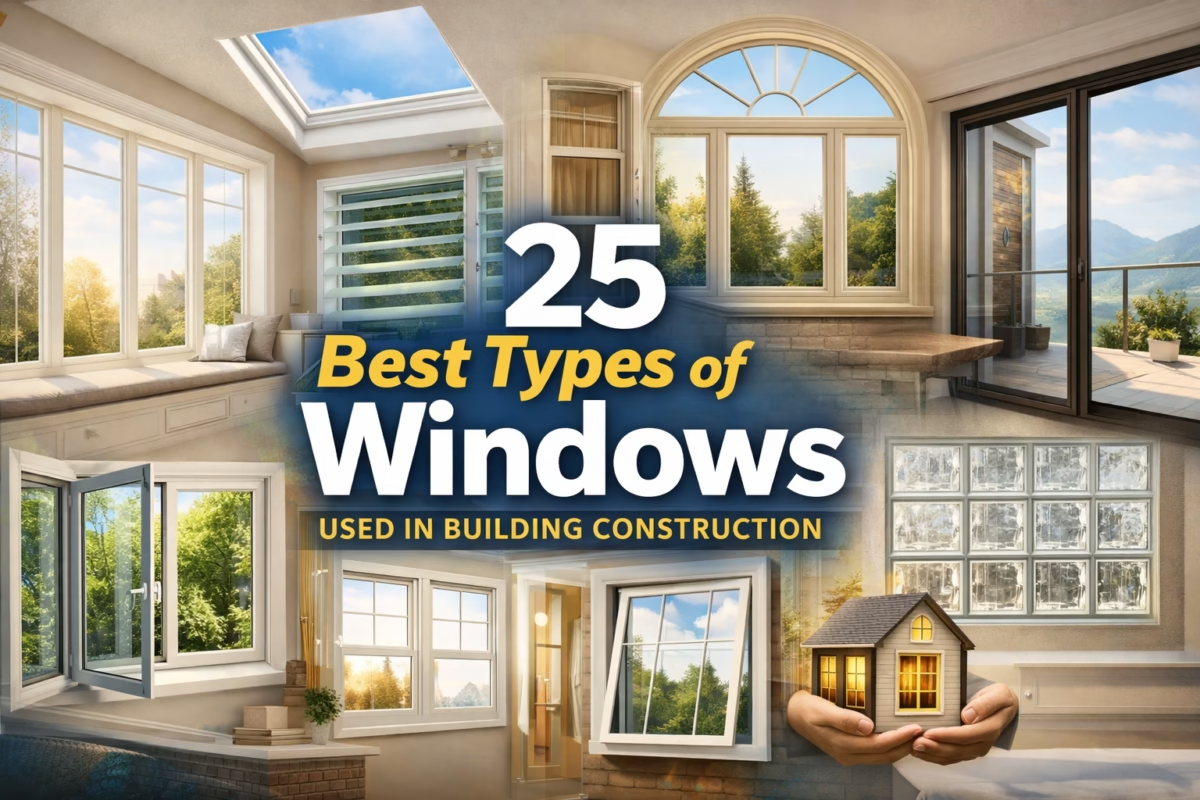
25 Best Types of Windows Used in Building Construction
Jan
Have you ever stood inside your home and felt like something was just… off? Maybe the room feels too dark during the day. Maybe your energy bills keep climbing. Or perhaps you can hear every passing car like it’s driving right through your living room. You’re not alone. So many homeowners struggle with choosing the right windows, and the frustration is real.
Windows are more than just glass openings in a wall. They shape how your home looks, feels, breathes, and even how much you spend every month on energy. Choosing the wrong type can leave you stuck with poor lighting, weak ventilation, and regret that lingers for years. But here’s the good news, it doesn’t have to be that way.
Let’s walk this journey together and discover the 25 best types of windows used in building construction, and how we at Nyolenju Structures Limited can help you choose what truly fits your home and lifestyle.
Why Choosing the Right Window Feels Overwhelming
Choosing the right window feels overwhelming because every decision seems to carry long term consequences for comfort, cost, and appearance. You are suddenly faced with many options in styles, materials, sizes, and glazing types, each promising different benefits. What looked simple at first quickly turns into a maze of technical terms, opinions from friends or contractors, and the pressure to stay within budget while still getting quality.
On top of that, windows affect more than just how a house looks. They influence natural lighting, ventilation, noise levels, security, and energy efficiency. Many homeowners worry about making the wrong choice and living with regret for years. This fear of costly mistakes, combined with limited technical knowledge, is what makes the selection process feel stressful and confusing for so many people.
Imagine a Home with Perfect Windows
How We Help You Choose the Right Windows at Nyolenju Structures Limited
At Nyolenju Structures Limited we understand that choosing the right windows can feel confusing and stressful, especially when you want to balance beauty, comfort, and cost. We begin by listening carefully to your needs, preferences, and the vision you have for your home. Our team studies your building layout, location, and environmental conditions so we can recommend window options that truly suit your space.
We guide you through every stage of the decision making process by explaining the benefits of different window styles, materials, and placements in simple language. Our goal is to help you feel confident and informed rather than overwhelmed. With our detailed construction plans and professional support, we ensure that each window choice improves lighting, ventilation, security, and overall design, giving you a home that feels comfortable, functional, and uniquely yours.
Key Factors to Consider Before Choosing Windows
Climate Considerations
The climate in your area plays a major role in determining the type of windows that will work best for your home. In warmer regions you may need windows that reduce heat entry while still allowing natural light. In cooler areas well insulated windows help maintain indoor warmth and reduce energy costs. Understanding how weather conditions affect your home helps you choose windows that provide comfort throughout the year.
Security Needs
Windows are important entry points in any building so security should never be overlooked. Strong materials, reliable locking systems, and proper placement can improve safety and give you peace of mind. Choosing windows that enhance protection without sacrificing style ensures that your home remains both beautiful and secure.
Ventilation and Lighting
Good windows should allow fresh air to circulate easily while maximizing the amount of natural light entering your home. Proper ventilation improves indoor air quality and reduces moisture buildup, while natural light makes spaces feel larger and more welcoming. Selecting windows that balance airflow and brightness can greatly enhance the comfort and overall atmosphere of your living spaces.
25 Best Types of Windows Used in Building Construction
1. Casement Windows
Casement windows are attached to the frame by hinges on one side and open outward like a door. This design allows them to catch passing breezes and direct fresh air into the home, making them one of the best choices for natural ventilation. They are easy to operate and can be opened fully, which helps improve airflow and create a more comfortable indoor environment.
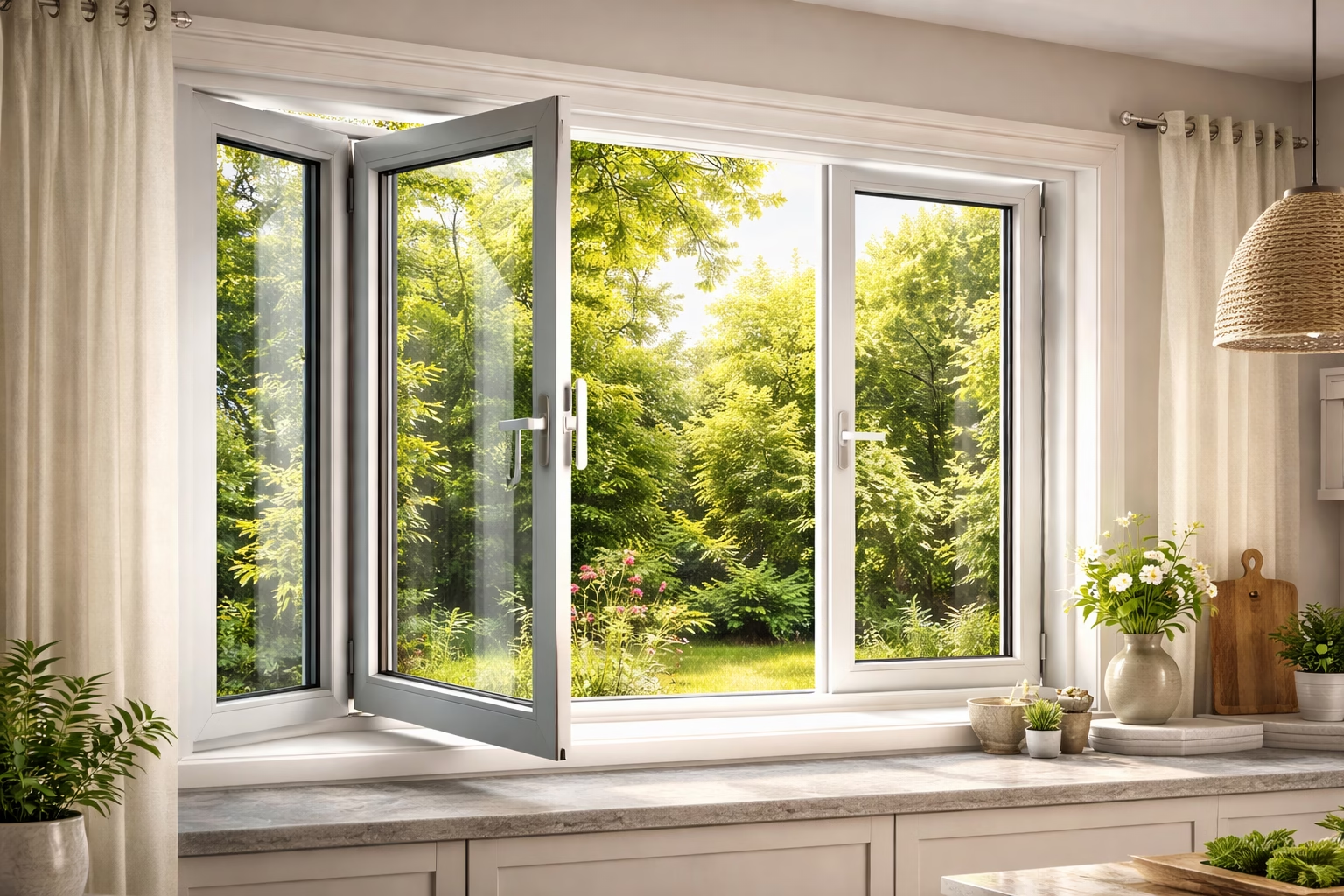
These windows also provide clear and unobstructed views because they do not have a center rail blocking the glass. When closed, casement windows form a tight seal that helps reduce air leakage and improve energy efficiency. Their simple yet functional design makes them suitable for many areas of the home, especially living rooms and bedrooms where both light and ventilation are important.
2. Sliding Windows
Sliding windows open by moving one glass panel horizontally over another along a track. This design makes them very easy to operate since they require little effort to open or close. They are ideal for spaces where you may not have enough room for windows that swing outward or inward, making them a practical choice for many modern homes.
These windows provide wide views and allow plenty of natural light to enter the room, creating a bright and open feeling. They also offer good ventilation when opened, helping fresh air circulate throughout the space. With fewer moving parts compared to other window styles, sliding windows are often durable and low maintenance, which makes them a popular option for homeowners looking for both convenience and functionality.
3. Double-Hung Windows
Double-Hung windows feature two sashes that can both move up and down within the frame. This design allows for versatile ventilation because you can open the top sash to let warm air escape while opening the bottom sash to bring fresh air in. It also makes cleaning easier since many modern double-hung windows tilt inward, allowing you to reach both sides of the glass safely from inside your home.
These windows are timeless in appearance and work well with a variety of architectural styles, from traditional to contemporary. They provide balanced natural light, good airflow, and a classic look that enhances the overall aesthetic of any room. Their combination of functionality and charm makes double-hung windows a reliable and popular choice for bedrooms, living rooms, and other main areas in the home.
4. Single-Hung Windows
Single-Hung windows have two sashes, but only the bottom sash moves up and down while the top sash remains fixed. This simple design makes them more affordable than double-hung windows while still providing good ventilation and natural light. By opening the bottom sash, fresh air can flow into the room while the fixed top sash maintains structural stability and an unobstructed view.
These windows are easy to operate and maintain, making them a practical choice for many homes. They work well in areas where full ventilation is not required but where style and functionality are still important. Their clean and straightforward design fits a variety of home layouts and helps create a neat, classic look for any space.
5. Awning Windows
Awning windows are hinged at the top and open outward from the bottom, creating a small roof-like effect that helps keep rain out even when the window is open. This makes them an excellent choice for areas that need ventilation but are exposed to wet weather. The outward opening allows air to flow in while protecting the interior from water and drafts.
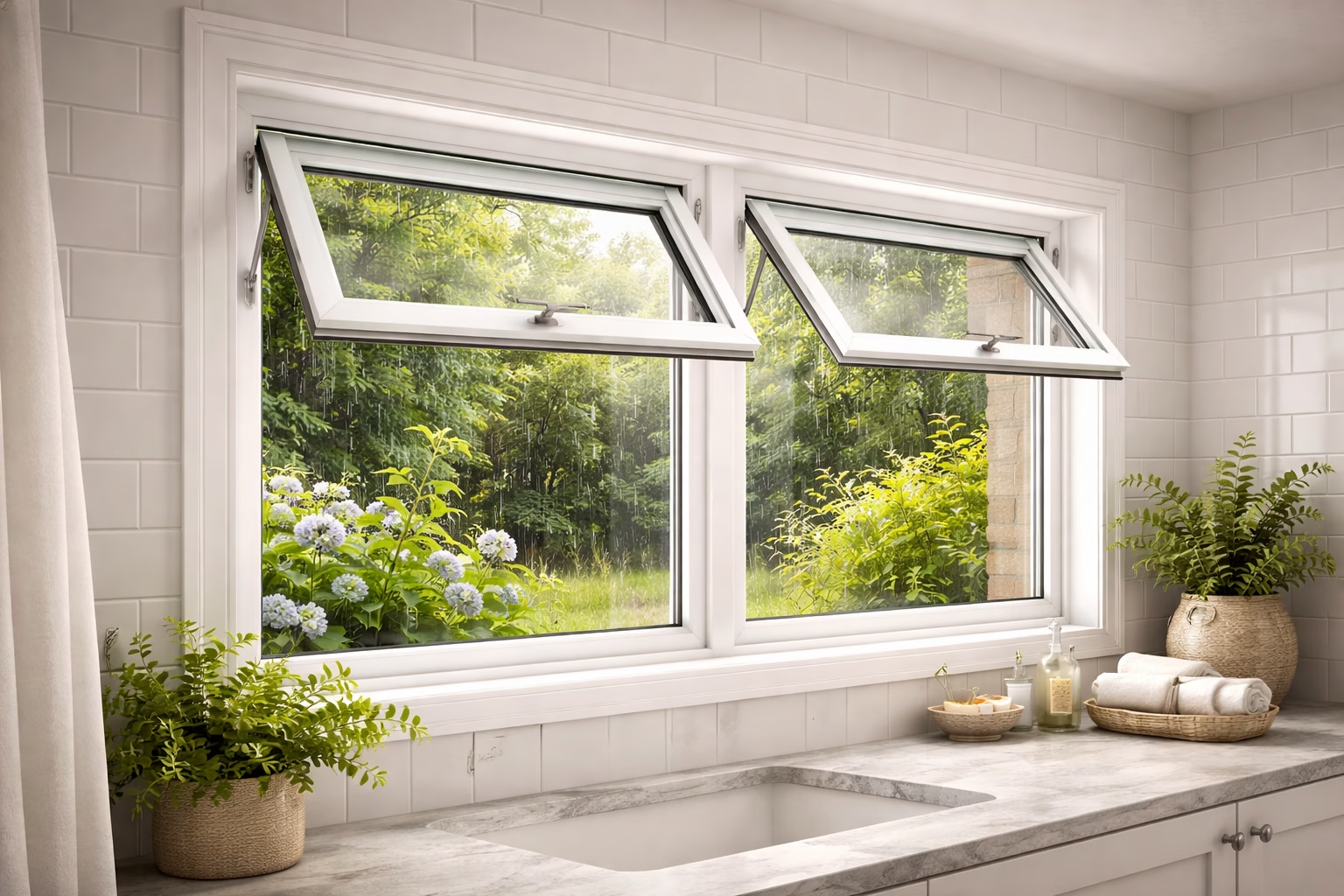
These windows are often placed higher on walls to provide privacy while still letting in natural light. Their design also helps improve energy efficiency by creating a tight seal when closed, reducing air leakage. Awning windows combine practicality with style and are ideal for bathrooms, kitchens, or any space where you want light, airflow, and protection from the elements.
6. Hopper Windows
Hopper windows are hinged at the bottom and open inward from the top, creating a tilting effect that allows fresh air to enter while maintaining privacy. They are particularly useful in areas with limited space, such as basements, where windows need to fit within a narrow wall or high placement.
These windows provide excellent ventilation and help prevent water from entering the home since the inward tilt directs rain away from the opening. Hopper windows are also easy to operate and can be fitted with secure locks to enhance safety. Their compact design makes them practical for smaller rooms while still allowing light and airflow to improve comfort.
7. Bay Windows
Bay windows extend outward from the main walls of a home, creating a small nook that adds both space and character to a room. This design allows more natural light to enter from multiple angles, making interiors feel brighter and more open. The extra space can be used for seating, storage, or decorative displays, adding both functionality and charm.
Bay windows also enhance the view of the outdoors, offering a wider perspective than standard flat windows. They improve ventilation when the side windows are operable and can create a cozy corner that becomes a focal point in living rooms, dining areas, or bedrooms. Their combination of style, light, and space makes bay windows a popular choice for homeowners who want both beauty and practicality.
8. Bow Windows
Bow windows consist of a series of connected windows that form a gentle curve extending outward from the wall. This design allows more natural light to enter the room from multiple angles and creates a feeling of spaciousness. Bow windows are often used to add elegance and architectural interest to living rooms or dining areas. They can also provide additional interior space for seating or decorative displays while enhancing exterior curb appeal.
9. Picture Windows
Picture windows are large, fixed windows that do not open and are designed to frame outdoor views like a natural picture. They allow maximum natural light to enter a room while creating a strong visual connection with the surroundings. Picture windows work well in living rooms, dining areas, and spaces where an unobstructed view is desired. Their simple design adds elegance and modernity to both interior and exterior architecture while requiring minimal maintenance.
10. Fixed Windows
Fixed windows are stationary windows that do not open, designed to let in natural light while maintaining a clear view of the outdoors. They are ideal for spaces where ventilation is not a priority but brightness and aesthetics are important. Fixed windows can be installed in combination with other window types to create striking designs and architectural interest. They also provide excellent insulation and require very little maintenance, making them both practical and visually appealing.
11. Skylight Windows
Skylight windows are installed on the roof to bring natural light directly into a room from above. They are perfect for spaces that may not have enough wall space for traditional windows, such as bathrooms, hallways, or attics. By allowing sunlight to enter from above, skylights brighten interiors, reduce the need for artificial lighting, and create a more open and airy atmosphere.
In addition to lighting, skylight windows can improve ventilation when they are operable, helping hot air escape and fresh air circulate. They also add a unique architectural element to a home, making rooms feel larger and more connected to the outdoors. Skylights are a simple yet effective way to enhance both the beauty and comfort of your living space.
12. Clerestory Windows
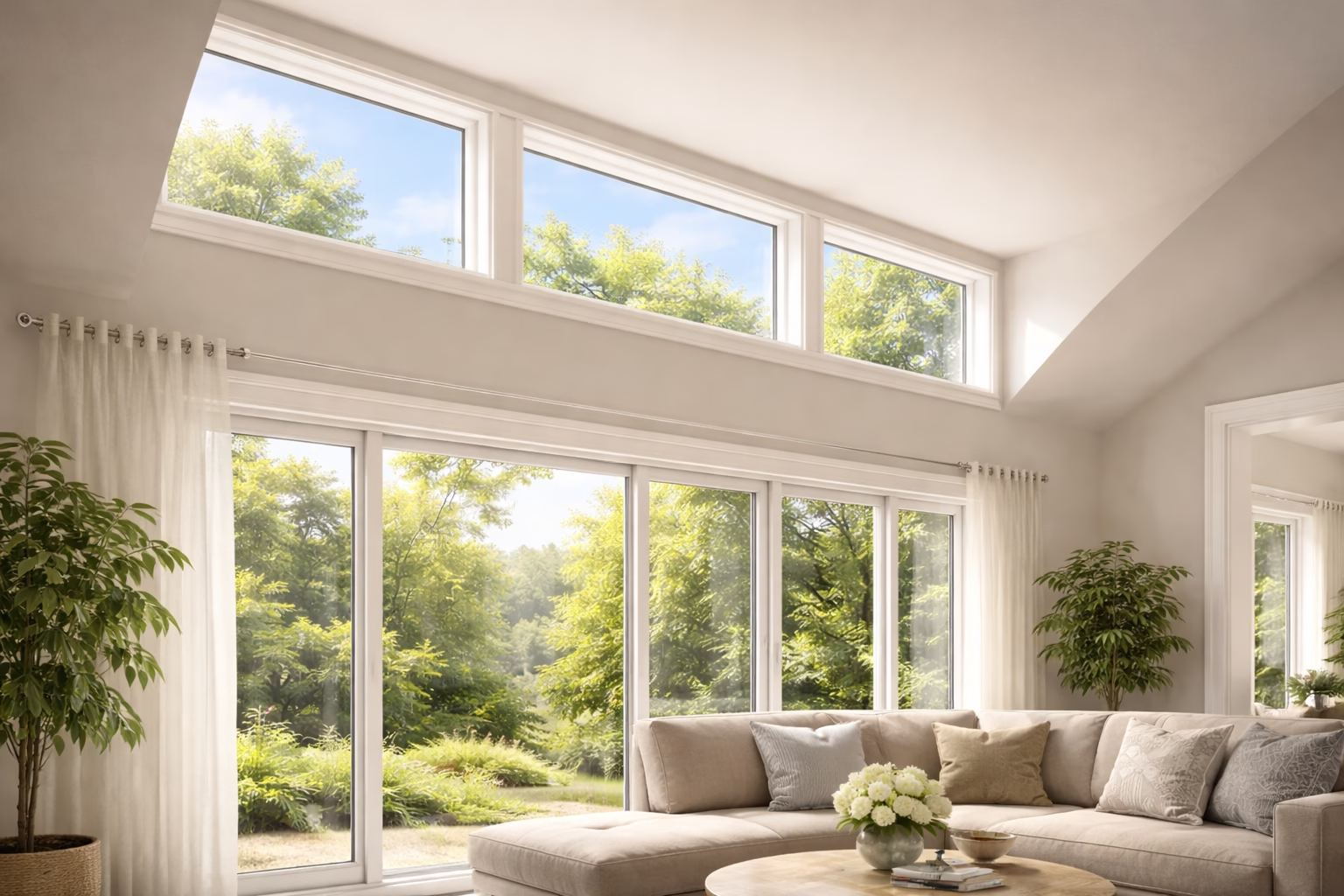
Clerestory windows are positioned high on walls, often near the roofline, to bring natural light into a space without compromising privacy. They are perfect for rooms where wall space is limited or where additional lighting is needed without adding windows at eye level. Clerestory windows help brighten interiors, reduce the need for artificial lighting, and create a sense of openness. They also add a distinctive architectural feature that enhances the style and elegance of a building.
13. Louvered Windows
Louvered windows consist of a series of horizontal slats that can be angled to control airflow and light while keeping out rain. They are ideal for areas where ventilation is a priority, such as kitchens, bathrooms, or utility spaces. By adjusting the slats, you can allow fresh air to enter without fully opening the window, maintaining privacy and security.
These windows also help regulate temperature naturally by letting warm air escape and cool air enter. Louvered windows are durable and easy to maintain, making them a practical choice for homes in warm or humid climates. Their unique design adds a touch of style while providing functional airflow and protection from the elements.
14. Tilt and Turn Windows
Tilt and turn windows offer two ways to open, giving you flexibility and convenience in one design. You can tilt the window inward from the top to allow gentle ventilation without fully opening it, or swing it inward like a door for easy cleaning and maximum airflow. This dual function makes them highly practical for a variety of rooms.
These windows provide excellent insulation and create a tight seal when closed, helping to keep energy costs low. They also enhance security because the tilt option allows ventilation without leaving the window wide open. With their modern look and versatile operation, tilt and turn windows combine style, functionality, and efficiency for any home.
15. Garden Windows
Garden windows project outward from the wall, creating a small shelf like space that receives plenty of natural light. They are ideal for growing herbs, flowers, or small indoor plants while adding charm to kitchens and living areas. Because they extend outside the building line, garden windows bring in more sunlight than standard flat windows and help make interiors feel warmer and more inviting. With proper installation and materials, they also provide good insulation and become a beautiful focal point in the room.
16. Dormer Windows
Dormer windows are set vertically on a sloped roof and extend outward, creating extra space and headroom in upper floors or attic areas. They bring natural light and ventilation to spaces that would otherwise feel dark or cramped, making attics more usable as bedrooms, offices, or storage areas.
These windows also add architectural interest and charm to the exterior of a home, breaking up the roofline and creating a distinctive look. Dormer windows can be designed in a variety of styles to complement the overall design of the house. By combining functionality with aesthetic appeal, they enhance both the interior comfort and the curb appeal of any home.
17. Corner Windows
Corner windows are installed where two walls meet, creating a seamless glass connection without a visible corner frame. This design opens up the room visually and allows natural light to enter from multiple directions, making spaces feel brighter and more spacious. Corner windows are especially popular in modern architectural designs because they offer wide panoramic views and a strong indoor outdoor connection. When properly planned and constructed, they also enhance ventilation and add a striking architectural feature that increases the overall value and appeal of a building.
18. Palladian Windows
Palladian windows feature a large central window topped with a rounded arch, flanked by two smaller rectangular windows. This classic design adds elegance and symmetry to both the interior and exterior of a building. Palladian windows allow abundant natural light to enter while creating a grand and timeless architectural statement. They are often used in living rooms, entryways, and formal spaces to enhance visual appeal and add a sense of sophistication.
19. Arched Windows
Arched windows feature a curved top that adds elegance and character to a building design. They soften the overall appearance of walls and create a timeless architectural look that suits both classic and contemporary homes. These windows allow generous natural light to enter while serving as a strong visual focal point. When thoughtfully positioned, arched windows enhance curb appeal and contribute to a refined and well balanced interior atmosphere.
20. Jalousie Windows
Jalousie windows are made up of horizontal glass slats that open and close together, allowing excellent control of airflow. They are especially useful in warm and humid climates where constant ventilation is needed to keep indoor spaces cool and comfortable. When opened, they provide almost uninterrupted air movement, making them ideal for kitchens, bathrooms, and utility areas.
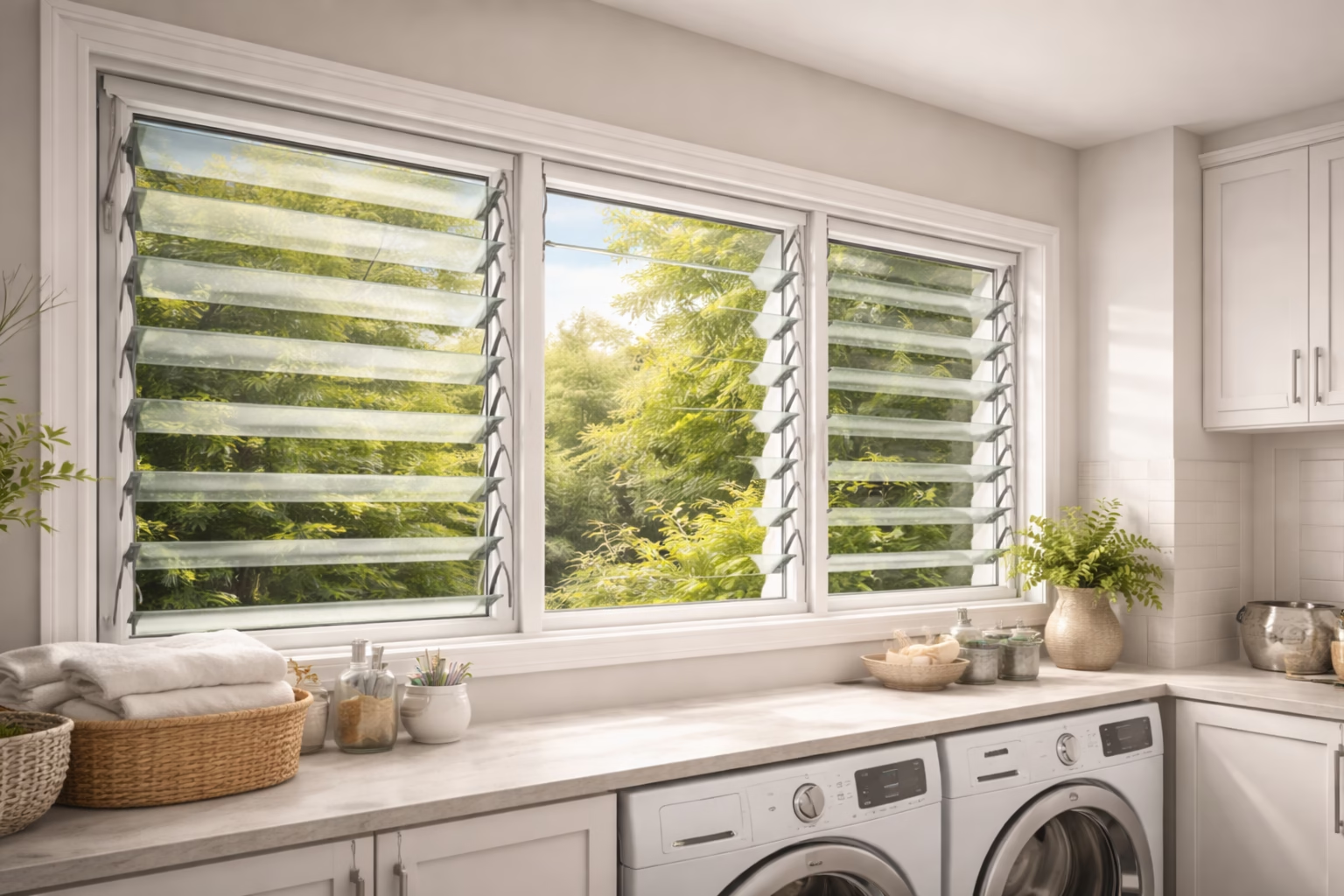
These windows also help protect interiors from rain while still allowing fresh air inside, as the angled slats direct water away. Although they may not offer the same level of insulation as sealed window types, they are valued for their simplicity, affordability, and ability to promote natural ventilation in residential and commercial buildings.
21. Transom Windows
Transom windows are installed above doors or other windows to bring in additional natural light without sacrificing privacy. They help brighten interior spaces such as hallways and entryways that might otherwise feel dark or enclosed. By allowing light to pass between rooms, transom windows improve the sense of openness and visual flow within a building. When designed correctly, they also add a subtle architectural detail that enhances both function and appearance.
22. Glass Block Windows
Glass block windows are constructed using thick glass units that are arranged together to form a solid and durable window surface. They allow natural light to enter a space while maintaining a high level of privacy, making them a popular choice for bathrooms, staircases, and basements. The textured surface of the glass blurs visibility, ensuring interiors are well lit without being exposed.
These windows also provide added security due to their strength and resistance to breakage. In addition, they offer good insulation and sound reduction compared to standard single pane windows. Glass block windows are low maintenance, long lasting, and ideal for areas where light, privacy, and safety are equally important.
23. Folding Windows
Folding windows consist of multiple panels that open and fold neatly to one side, creating a wide open connection between indoor and outdoor spaces. They are ideal for areas such as living rooms and kitchens where natural light and fresh air are important. When fully opened, folding windows allow uninterrupted views and improve ventilation, making spaces feel larger and more inviting. With proper design and installation, they also add a modern and stylish feature to a building.
24. Storm Windows
Storm block windows are designed to provide an extra layer of protection against harsh weather conditions such as strong winds heavy rain and dust. They are usually installed alongside existing windows to improve insulation and reduce air leakage. This added barrier helps maintain indoor comfort by keeping heat inside during cold seasons and reducing heat entry during hot periods.
These windows also help lower energy costs by improving thermal efficiency and reducing strain on heating and cooling systems. In addition they offer increased noise reduction and protect primary windows from damage. Storm block windows are a practical solution for improving durability comfort and energy performance in both residential and commercial buildings.
25. Smart Windows
Smart windows use advanced glass technology to automatically adjust their tint in response to sunlight and temperature. This helps control heat gain, reduce glare, and improve indoor comfort throughout the day. By limiting the need for artificial cooling and lighting, smart windows support better energy efficiency and lower utility costs. They also offer a modern and innovative solution for homeowners who want both convenience and long term performance in their buildings.
Matching Window Types to Different Rooms
Living Room
Bay and picture windows enhance views.
Kitchen
Sliding and casement windows improve ventilation.
Bedroom
Double-hung windows offer airflow and safety.
Bathroom
Glass block and awning windows ensure privacy.
Step-by-Step Path to Getting the Perfect Windows with Nyolenju Structures Limited
Share your vision with us
We analyze your site and needs
We recommend ideal window types
We create detailed construction plans
We support you through implementation
Conclusion
Choosing the right windows can feel like standing at a crossroads with too many signs pointing in different directions. But when you have the right guidance, the journey becomes clearer, easier, and even exciting.
At Nyolenju Structures Limited, we design comfort, beauty, and peace of mind. Imagine waking up every day in a home filled with perfect light, fresh air, and energy efficiency that saves you money year after year.
So here’s a question worth reflecting on: What would your life look like if your home finally worked for you instead of against you?
We warmly invite you to connect with us at Nyolenju Structures Limited. Together, we can design spaces that truly feel like home.
FAQs
1. Which window type is best for ventilation?
Casement windows are among the best for airflow.
2. Are large windows energy efficient?
Yes, when installed with proper glazing and insulation.
3. What window type is best for security?
Fixed and glass block windows offer strong security.
4. How do I choose the right window style?
Consider your climate, room function, and design goals.
5. Can Nyolenju Structures Limited customize window designs?
Yes, we provide tailored plans to suit your needs.