
Construction, Engineering, Interior Design, Real Estate
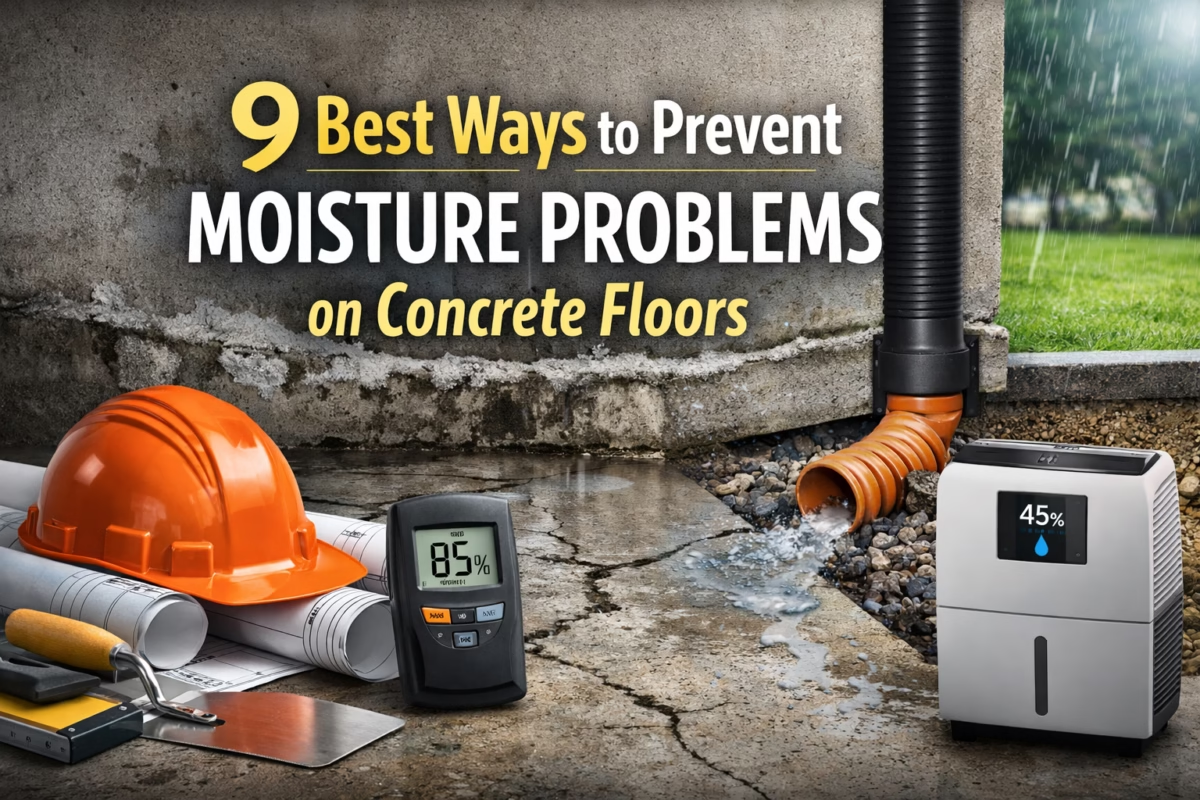
9 Best Ways to Prevent Moisture Problems on Concrete Floors
Dec
Concrete floors form the backbone of many homes and commercial buildings today. They look strong, clean, and dependable at first glance. Yet moisture can quietly damage them over time. When moisture problems appear, floors fail, odors spread, and repairs become costly. Many owners only notice issues after visible damage occurs. By then, fixing the problem takes more effort and expense.
Moisture moves through concrete in ways many people do not expect. Even well built slabs allow water vapor to pass slowly. Changes in soil moisture, weather, and indoor air all affect concrete floors. Without proper planning, this moisture becomes trapped beneath finishes. That trapped moisture leads to mold growth, loose flooring, and surface breakdown.
Preventing moisture problems starts with understanding how concrete behaves. Simple steps taken early protect floors for years. Smart design, correct materials, and skilled installation make a real difference. This guide explains proven ways to protect concrete floors from moisture damage. Nyolenju Structures uses these methods to deliver durable floors that stand up to time and conditions.
Understanding Moisture Problems in Concrete Floors
Moisture problems in concrete floors often surprise property owners. Concrete feels solid and heavy, so water movement seems unlikely. In reality, concrete remains porous long after it hardens. Tiny capillaries inside the slab allow moisture to travel slowly. This hidden movement causes damage beneath the surface before problems become visible.
Moisture can enter concrete floors from several sources at once. Groundwater below the slab pushes moisture upward. Rainwater collects around foundations and seeps inward. Water used during the concrete pour also stays trapped for long periods. Indoor humidity adds another layer of pressure. When these factors combine, moisture builds inside the slab.
Over time, trapped moisture weakens floor systems. Adhesives lose strength and finishes fail. Mold spores find the damp conditions they need to grow. Musty odors develop and indoor air quality drops. These issues affect both comfort and health. Moisture problems also reduce the lifespan of concrete floors and increase repair costs.
What Causes Moisture in Concrete
Concrete starts its life full of water. This water allows the mix to flow and cure properly. As concrete hardens, excess water should escape slowly. When curing conditions are poor, water stays locked inside the slab. That trapped moisture later moves upward.
Soil conditions play a major role. Wet soil beneath a slab feeds moisture into concrete through capillary action. Poor drainage makes the problem worse. Water collects near foundations instead of flowing away. Without a vapor barrier, nothing stops moisture from entering the slab.
Environmental factors also matter. High humidity indoors raises moisture levels at the slab surface. Seasonal changes increase moisture pressure from below. Together, these forces create ongoing moisture movement inside concrete floors.
Why Moisture Control is Important
Moisture control protects both the structure and the people inside. Excess moisture damages flooring materials and surface coatings. Tiles loosen, wood warps, and vinyl bubbles. Repairs interrupt daily use and increase costs.
Health concerns also rise with moisture problems. Damp concrete supports mold growth. Mold spores spread through indoor air and trigger allergies. Long term exposure creates serious health risks. Moisture control helps maintain a clean and safe indoor space.

Strong moisture management also protects property value. Floors last longer and perform better. Maintenance costs stay low.
Signs of Moisture Damage on Concrete Floors
Moisture damage on concrete floors often starts quietly. Many signs appear long before major failure occurs. Spotting these early warnings helps prevent serious repairs. Property owners who know what to look for can act before damage spreads.
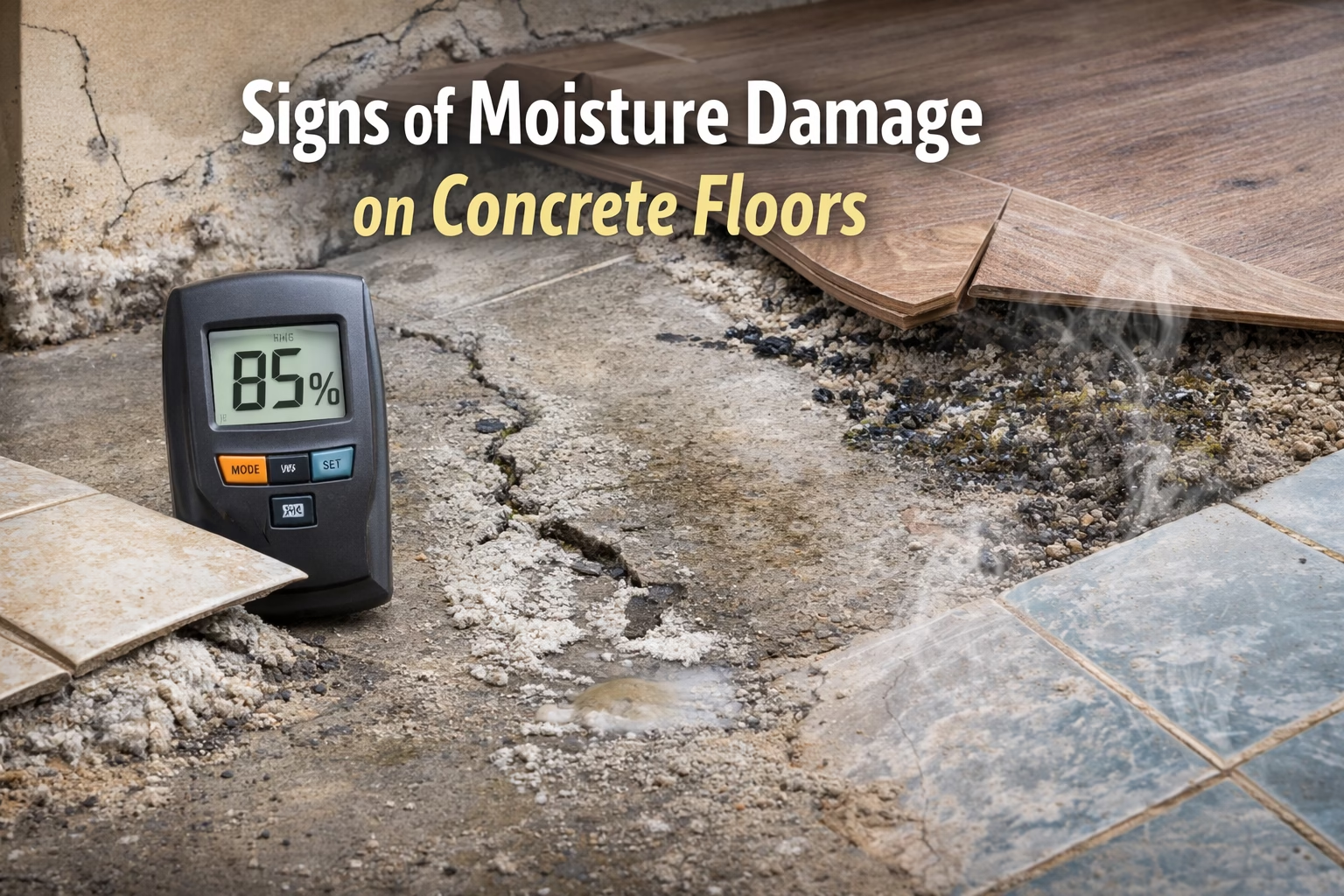
Visual changes are usually the first clue. Concrete may darken in patches that never seem to dry. These areas often appear near walls or low spots. A white powdery substance may form on the surface. This residue, called efflorescence, signals moisture moving through the slab. It means water is carrying minerals upward and leaving them behind.
Floor coverings also reveal hidden moisture. Vinyl may lift or bubble without clear cause. Tiles may loosen or crack. Wood floors can cup or warp. Adhesives may soften and fail. These problems often repeat after repairs if moisture remains.
Smell and air quality changes matter too. A musty odor near floors points to damp conditions. Mold may appear along edges or under finishes. These signs affect comfort and health. Ignoring them allows moisture damage to worsen.
Early Warning Signs to Watch
Some signs appear before visible damage sets in. Condensation on floor surfaces is one example. Persistent dampness even during dry weather is another. Stains that return after cleaning also raise concern.
Pay attention to changes over time. Doors may stick as humidity rises. Baseboards may swell or discolor. Small cracks may widen as moisture weakens the slab. These early warnings signal moisture problems on concrete floors that need attention.
Quick action saves time and money. Professional assessment identifies the source and extent of moisture. Nyolenju Structures helps property owners detect moisture damage early and apply lasting solutions before minor issues become costly repairs.
Way 1: Use Proper Site Drainage
Proper site drainage is the first line of defense against moisture problems on concrete floors. Water that collects around a building can seep into the slab and create long-term damage. Even the strongest concrete cannot resist constant exposure to standing water. Planning drainage early in the construction process prevents moisture issues before they start.
Good site drainage begins with understanding the landscape. Water should always flow away from the foundation. If the ground slopes toward the building, rainwater pools near the slab and increases the risk of moisture intrusion. A gentle slope of just a few inches per meter can make a significant difference. Even small improvements in grading reduce water pressure on concrete floors.
Importance of Ground Slope
Ground slope is critical to keeping concrete floors dry. Soil should be graded to direct rainwater and runoff away from the building. Poorly sloped surfaces allow water to linger near foundations, raising the risk of moisture problems. Over time, this trapped water seeps through the slab, leading to efflorescence, warping, and mold growth.
Drainage systems such as French drains or trench drains can further improve water management. These systems guide water away from the foundation efficiently. Combining proper grading with drainage structures ensures that water does not stay near the concrete for long periods.
Way 2: Install a Quality Vapor Barrier
A vapor barrier blocks ground moisture from reaching concrete. It is one of the strongest defenses.
Types of Vapor Barriers
Plastic sheet barriers work well under slabs. Thicker materials offer better protection. Seams must overlap and seal tightly. Poor installation defeats the purpose. A properly installed vapor barrier reduces moisture problems on concrete floors for decades.
Way 3: Choose the Right Concrete Mix
Selecting the right concrete mix is a critical step in preventing moisture problems on concrete floors. Not all concrete is created equal, and the mix design directly affects how water behaves within the slab. A poorly chosen mix can increase porosity, allowing moisture to seep through and cause long-term damage. Choosing the right combination of materials ensures that your concrete floors stay strong, durable, and moisture-resistant.
Concrete is more than just cement, sand, and water. The ratio of these components, especially the water-to-cement ratio, determines the slab’s density and porosity. Too much water makes the concrete easier to pour but leaves behind excess pores when it cures. These pores act as tiny pathways for moisture, making the floor more susceptible to problems. Conversely, a mix with the right balance of water and cement produces a dense, solid slab that naturally resists water penetration.
Water Cement Ratio Explained
The water-to-cement ratio is the single most important factor in controlling moisture within concrete. Lower ratios create stronger, less porous concrete, reducing the risk of water migration. A higher ratio weakens the slab, allowing moisture to travel through easily and creating a higher chance of efflorescence and mold growth.
Other factors also matter. The type of aggregate affects moisture resistance. Well-graded, clean aggregates improve density and reduce voids. Admixtures such as water reducers or plasticizers can help achieve a workable mix without adding excess water. These adjustments make the concrete more durable and better at keeping moisture at bay.
Way 4: Allow Concrete to Cure Fully
Rushing construction causes moisture issues later. Concrete needs time to release excess water.
Proper Curing Timeframes
Concrete curing takes weeks, not days. Surface dryness does not mean internal dryness. Installing floors too soon traps moisture. This leads to failures later. Patience during curing prevents long term moisture problems on concrete floors.
Way 5: Test Moisture Before Floor Installation
Moisture testing removes guesswork. It protects flooring investments.
Common Moisture Testing Methods
Calcium chloride tests measure surface moisture emission. Relative humidity probes check internal moisture levels. Each method offers useful data. Testing guides installation decisions. It also supports warranty claims. Professionals rely on testing results.
Way 6: Apply Concrete Sealers
Applying concrete sealers is a powerful way to protect floors from moisture problems. Sealers act as a shield, blocking water from penetrating the slab while allowing the concrete to breathe. Without a sealer, even the densest concrete remains vulnerable to moisture, which can lead to efflorescence, mold growth, and adhesive failure. Using the right sealer adds an extra layer of protection that lasts for years.
Sealers come in different types, each offering unique benefits. Surface coatings form a thin protective layer on top of the concrete. They prevent water from entering but may trap moisture if it rises from below, leading to peeling or blistering. Penetrating sealers, on the other hand, soak deep into the concrete, filling pores and blocking water paths without trapping vapor. This type works well in both residential and commercial spaces, providing long-term moisture resistance.
Benefits of Penetrating Sealers
Penetrating sealers are highly effective for managing moisture problems on concrete floors. They strengthen the slab from within, making it harder for water to move through. Unlike surface coatings, they do not alter the floor’s appearance or texture. Penetrating sealers also resist chemicals and stains, which is particularly important in garages, warehouses, or industrial settings.
Proper application is key to performance. The concrete must be clean and fully cured before applying a sealer. Professionals like Nyolenju Structures inspect the slab for moisture levels, cracks, and surface contaminants before treatment. Multiple coats may be recommended for maximum protection, depending on the concrete’s exposure and use.
Regular maintenance enhances the sealer’s lifespan. Reapplication every few years keeps the slab resistant to moisture and maintains the floor’s durability. By applying a high-quality sealer, property owners prevent water-related damage, reduce maintenance costs, and extend the life of their concrete floors.
Sealing is not a standalone solution but a critical part of a comprehensive moisture management plan. When combined with proper drainage, correct mix design, and professional installation, sealers help ensure concrete floors remain strong, dry, and trouble-free for decades.
Way 7: Control Indoor Humidity Levels
Controlling indoor humidity is a crucial yet often overlooked step in preventing moisture problems on concrete floors. Even the most well-drained and sealed slabs can absorb moisture from the air if indoor humidity levels remain high. Damp air creates a constant moisture source that can seep into the concrete, causing warping, mold growth, and damage to floor coverings. Maintaining balanced indoor humidity keeps concrete floors dry and extends their lifespan.
Indoor humidity is influenced by multiple factors. Daily activities like cooking, showering, and laundry release water vapor into the air. Poor ventilation traps this moisture, raising the relative humidity. Seasonal changes can also increase indoor moisture, especially in areas with high rainfall or cold winters where heating systems cause condensation on cooler surfaces. Without proper control, even small increases in humidity can lead to persistent moisture problems on concrete floors.
Role of Ventilation Systems
Ventilation systems play a vital role in managing indoor humidity. Proper airflow removes excess moisture and stabilizes the indoor environment. Exhaust fans in kitchens and bathrooms, along with strategically placed vents, help redirect humid air outside. HVAC systems equipped with dehumidifiers maintain consistent humidity levels throughout the year.
Portable dehumidifiers can also be effective, especially in basements or poorly ventilated spaces. Monitoring indoor humidity with hygrometers allows property owners to take action before moisture levels rise too high. Keeping relative humidity between 30% and 50% is generally ideal for concrete floors and indoor comfort.
Controlling humidity is more than just protecting the concrete slab, it also safeguards floor coverings, furniture, and indoor air quality. Nyolenju Structures emphasizes integrating humidity control into a complete moisture prevention strategy. By combining proper ventilation, dehumidification, and airflow management, property owners can minimize the risk of moisture damage, creating healthier and longer-lasting concrete floors.
Way 8: Maintain Exterior Drainage Systems
Maintaining exterior drainage systems is an essential part of preventing moisture problems on concrete floors. Even well-graded sites and sealed slabs cannot fully protect against water if gutters, downspouts, and drains fail. Water that collects near a building’s foundation eventually finds its way into the concrete slab, creating long-term moisture issues. Regular maintenance keeps these systems functioning properly and protects your floors from hidden damage.
Water management outside the building starts with clean and efficient gutters. Clogged gutters allow rainwater to overflow, pooling near the foundation and increasing the risk of slab saturation. Downspouts must direct water at least several feet away from the building to prevent soil from becoming oversaturated. Standing water near the foundation can seep into the ground and migrate upward through the concrete, leading to efflorescence, mold growth, and warped flooring.
Gutters and Downspouts Matter
Downspouts and gutter systems are the first line of defense against exterior water intrusion. Regular inspections are key. Check for blockages, leaks, and sagging sections that could divert water incorrectly. Consider extensions or splash blocks to guide water further from the foundation. In areas with heavy rainfall, installing rainwater drainage channels or French drains adds extra protection by moving water away from the building efficiently.
Neglecting exterior drainage can undo all other moisture prevention measures. Concrete may appear dry on the surface, but water trapped below can create slow, persistent damage over time. Nyolenju Structures emphasizes a proactive approach, combining site drainage, slab sealing, and ongoing maintenance of gutters and downspouts to safeguard concrete floors.
Routine maintenance not only prevents moisture problems but also extends the life of your building’s exterior systems. Properly functioning drainage ensures that rainwater does not compromise your concrete floors, reducing repair costs and protecting indoor comfort. A little effort on the outside goes a long way in maintaining strong, dry, and long-lasting concrete floors inside.
Way 9: Work With Concrete Professionals
Experience makes the biggest difference. Moisture control requires knowledge and planning.
Why Experience Makes a Difference
Professionals understand soil, climate, and materials. They follow proven methods at every stage. Mistakes during construction last forever. Nyolenju Structures delivers reliable concrete solutions with moisture control at the core. Contact their team for expert guidance today.
Frequently Asked Questions
What is the main cause of moisture problems on concrete floors
Ground moisture rising through slabs causes most issues.
Can moisture problems appear years after construction
Yes moisture issues can develop long after installation.
Do sealers stop all moisture problems
No sealers help but must support other prevention steps.
Is moisture testing really necessary
Yes testing confirms readiness for flooring installation.
Does indoor humidity affect concrete floors
Yes high humidity adds moisture stress to slabs.
Who should handle concrete moisture prevention
Experienced professionals like Nyolenju Structures deliver the best results.
For additional technical guidance, review concrete moisture standards from the Environmental Protection Agency.
Conclusion
Moisture problems on concrete floors create serious risks. Prevention starts with smart planning and expert execution. Each method works best when combined with others. Cutting corners leads to future repairs and losses. Nyolenju Structures helps protect your investment with proven moisture control solutions. Reach out today and build with confidence.