
Architecture, House Plans
10 Best Ways on How to Design a House Plan with Future Expansion in Mind

Jan
To design a house plan with future expansion is smart and cost-effective. It allows you to start small and add space as needed. Whether you plan to build as you grow or need expandable farmhouse plans, careful planning is key. Here’s how to design a house plan with future expansion in mind.
1. Plan for Future Growth: House Plan with Future Expansion in Mind
Before you start building, think about how your needs might change. A well-thought-out house plan allows for smooth expansion when the time comes. Whether you plan to add extra bedrooms, expand the kitchen, or create a larger living space, designing a house for expansion later requires careful planning.
Assess Your Future Needs
Consider how your lifestyle may change over the years. Will your family grow? Do you need a home office or rental unit later? Expandable house plans should accommodate possible life changes without requiring major structural modifications.
Plan Flexible Spaces Like Garage or Barn Apartments
Think creatively about multi-use spaces that can adapt as your needs shift. For example, a garage apartment or barn apartment can serve several purposes over time:
- Temporary living space while you finish your main home construction.
- Comfortable guest quarters for friends and family.
- A private in-law suite for aging relatives.
- A potential source of rental income, whether for long-term tenants or short-term visitors through platforms like Airbnb or Vrbo.
Designing these spaces with flexibility in mind means you can easily transition them from one function to another as your lifestyle evolves.
Flexibility with Garage or Barn Apartments
Thinking ahead can also mean opting for a garage-apartment or barn-apartment design. These multi-purpose spaces can serve as comfortable temporary housing while your main home is under construction—think of it as your own personal “mini residence” during the build. Later on, the same structure can easily transition into a guest suite, in-law apartment, or even a rental unit for extra income. This approach makes the most of your investment and keeps future needs in mind as your living situation evolves.
Decide on Expansion Areas
Think about where you might extend your house. Will you add rooms to the side, the back, or build upward? Some house expansion ideas include:
- Side additions – Expanding living rooms, kitchens, or bedrooms.
- Back extensions – Adding extra space without altering the front design.
- Second-story additions – Useful for small lots or when building a small house and adding on later.
Create a Strong Foundation
A solid foundation supports future growth. If you plan to add another story, ensure the foundation and load-bearing walls can handle the extra weight. For side expansions, make sure the soil and structural supports can accommodate future construction.
Consider Modular or Prefabricated Options
Expandable house plans can benefit from modular construction. Prefabricated sections allow for quick and cost-effective additions. This method works well for build-as-you-grow house plans, letting you expand with minimal disruption.
Think About Traffic Flow
A well-designed house should allow easy movement after expansion. Consider door placements, hallway widths, and access points when designing a house for future expansion. Avoid layouts that could block future rooms or create awkward spaces.
Plan for Utility Expansion
Plumbing, electrical, and HVAC systems should accommodate future additions. Installing larger capacity systems upfront can save money later. Consider running electrical wiring and plumbing to potential expansion areas.
Use an Open Floor Plan
Open layouts make it easier to reconfigure spaces when expanding. Knockout panels, removable walls, and adaptable spaces allow for seamless house expansion ideas.
A skilled architect or builder ensures your house is designed with future expansion in mind. They can help you create an efficient, expandable farmhouse plan or a modern home that adapts to your needs.
By planning ahead, you can build a home that grows with you. Expandable house plans offer flexibility, save money, and ensure a smooth transition when it’s time to add more space.
Leverage Detailed Construction Drawings for Cost Savings
Comprehensive construction drawings play a crucial role in controlling your building costs. Clear, detailed plans minimize misunderstandings between homeowners, builders, and subcontractors—reducing the risk of costly mistakes or change orders down the line. When every measurement and specification is laid out, contractors spend less time guessing and more time building, saving both labor hours and materials.
These drawings also make it easier to obtain accurate bids from different builders, allowing you to compare prices with confidence. By investing in a thorough set of construction documents from the start, you can prevent budget surprises—and keep your expansion project on track and within your planned budget.
Flexible House Plans for Changing Needs and Budgets
Expandable house plans are perfect if you want flexibility without stretching your budget upfront. These designs allow you to start small and add on as your family grows or your finances improve. By making use of efficient grid-based layouts, it’s easy to phase construction, keeping costs manageable at every stage.
This approach offers several advantages:
- Build in Stages: Begin with the essentials and expand as needed, avoiding large initial expenses.
- Adapt Over Time: As your needs shift—whether adding a home office, extra bedrooms, or a rental suite—the layout is designed for smooth integration of new spaces.
- Budget-Friendly Construction: The smart use of space and structure minimizes waste and maximizes every dollar spent, making these plans ideal for homeowners who want to future-proof their investment without taking on too much at once.
With expandable plans tailored for growth, you can enjoy the benefits of a home that evolves alongside your lifestyle and budget.
Explore Popular Expandable House Plans and Garage Apartment Options
If you’re looking for specific floor plans that support future growth, there’s no shortage of flexible designs to consider. Here are some notable examples that blend practicality with adaptability:
Expandable House Plans
- Small Build-in-Stages Homes: These plans typically start with 2–3 bedrooms and 1–3 baths in a single story, making them ideal for couples, growing families, or those wishing to add new spaces over time. Many offer options to expand living areas or add bedrooms easily as needs change.
- Country and Craftsman Styles: Prefer a rural vibe? Expandable country and Craftsman house plans generally range from 1–4 bedrooms and often include studies or flex rooms. Some designs come with the potential for apartment-style additions—perfect for multi-generational living, a home office, or a rental suite. Expect layouts that support extra stories or wings down the road.
Garage Apartment Plans
- Workshops with Extra Storage: Looking for a place to tinker or store your weekend toys? Garage-workshop combinations commonly feature space for two or even three vehicles, along with a dedicated workshop area.
- Garage Apartments: If you need guest accommodations, a rental unit, or a private retreat, there are garage-apartment designs with 1 bedroom and 1–1.5 baths, spread across one or two stories. These provide versatile solutions—think separate living quarters for college kids or in-laws, or passive rental income.
- Budget-Friendly Options: For those watching costs, smaller two-story garage apartments offer an efficient footprint, usually with one bedroom and bath, while still leaving room for parking and a little extra storage.
Many of these plans are designed with staged construction in mind—meaning you can build what you need now and add on later as your budget or family grows. Both traditional and modern designs are available, so whether you lean toward a Craftsman bungalow, a classic country home, or a sleek city look, you’ll find a plan that can expand right along with you.
Adaptable Garage and Barn Apartment Plans
If you’re working with a smaller budget or planning to build in phases, adaptable garage/apartment and barn/apartment plans are a smart solution. These versatile designs let you construct a comfortable apartment first—ideal for living in while your main home is underway. Once your primary residence is complete, these apartments easily transform into:
- Guest suites for visiting friends or family
- In-law accommodations for multigenerational living
- Income-generating rental units
This phased approach stretches your investment and adds future flexibility, giving you options as your needs evolve. With thoughtful planning, your property can grow with you, offering practical and financial benefits for years to come.
2. Choose the Right Lot
The land you build on affects how easily you can expand in the future. When designing a house for future expansion, picking the right lot is just as important as the house plan itself. A well-chosen lot ensures that adding extra rooms, extending outdoor spaces, or building a second story is simple and cost-effective.
Prioritize Space for Expansion
Look for a lot with enough room to grow. If you plan to extend sideways, ensure the property has open space on one or both sides of the house. If you’re considering a second story, check local height restrictions and foundation requirements.
Check Zoning and Building Codes
Different areas have zoning laws that may limit house expansion ideas. Before purchasing land, research the following:
- Setback requirements – The minimum distance a building must be from property lines.
- Height limits – Rules that restrict second-story additions.
- Land use regulations – Some areas prohibit certain types of expansions.
Understanding these rules ensures your expandable house plans comply with local laws.
Evaluate the Land’s Terrain
A flat, stable lot is best for expandable house plans. Sloped land may require expensive grading or retaining walls. If you’re planning a build-as-you-grow house plan, consider how the terrain might affect future additions.
Look for Utility Access
Expanding your home later requires easy access to water, sewer, electricity, and gas lines. A well-located lot should allow for simple utility connections. If your lot lacks public utility access, plan for well water, septic systems, or alternative power sources.
Consider Sunlight and Wind Direction
Future expansions should not block natural light or disrupt airflow. If you plan to expand on a certain side of the house, think about how that addition will affect windows, ventilation, and energy efficiency.
Account for Landscaping and Outdoor Space
If you want a garden, patio, or outdoor living area, leave enough room for these features. Designing a house for expansion later should not compromise outdoor space unless necessary.
Think About Resale Value
A well-chosen lot makes your home more valuable. Buyers prefer properties with room to grow. Expandable farmhouse plans or urban homes with extra space for additions are attractive selling points.
By selecting the right lot, you ensure a smoother, more affordable expansion process. Careful planning now prevents costly changes later, making it easier to adapt your home as your needs grow.
3. Position the House Wisely
Where you place your house on the lot impacts how easily you can expand in the future. Thoughtful positioning ensures that additions blend seamlessly with the existing structure, keeping costs and disruptions low. If you plan to build as you grow, careful house placement makes future expansions smooth and efficient.
Leave Space for Future Additions
When designing a house for expansion later, decide where extra rooms, porches, or second stories will go. Common house expansion ideas include:
- Side extensions – Expanding living areas, kitchens, or garages.
- Back additions – Creating extra bedrooms, dining spaces, or sunrooms.
- Upward growth – Adding a second story to maximize space on smaller lots.
Place the house so future construction won’t block pathways, driveways, or outdoor spaces.
Consider the Lot Shape and Size
A deep lot may allow for rear expansions, while a wide lot is better for side additions. Expandable house plans work best when the home is positioned to allow room for your planned growth.
Maintain Curb Appeal
Expanding your house later should not make it look unbalanced. A poorly placed home can lead to awkward-looking additions. If you plan a future garage, porch, or extra wing, position the house so expansions look natural.
Avoid Obstacles to Expansion
Don’t place the house too close to:
- Property lines – Zoning laws may limit how far you can extend.
- Large trees – Roots and branches can interfere with future construction.
- Septic tanks or wells – These may restrict where you can build.
Position the house to prevent expensive relocation of obstacles when expanding.
Ensure Easy Utility Access
Expanding your home requires extending water, sewer, electricity, and HVAC systems. Placing the house near utility connections makes future expansion easier and cheaper.
Plan for Sunlight and Ventilation
Consider how adding new rooms will affect natural light and airflow. Placing the house on the lot with future expansion in mind helps maintain energy efficiency and indoor comfort.
Think About Driveways and Entry Points
Positioning the house wisely allows for future garage additions or extra entryways. If you’re building a small house and adding on later, leave room for new entrances or walkways.
4. Use a Simple Layout
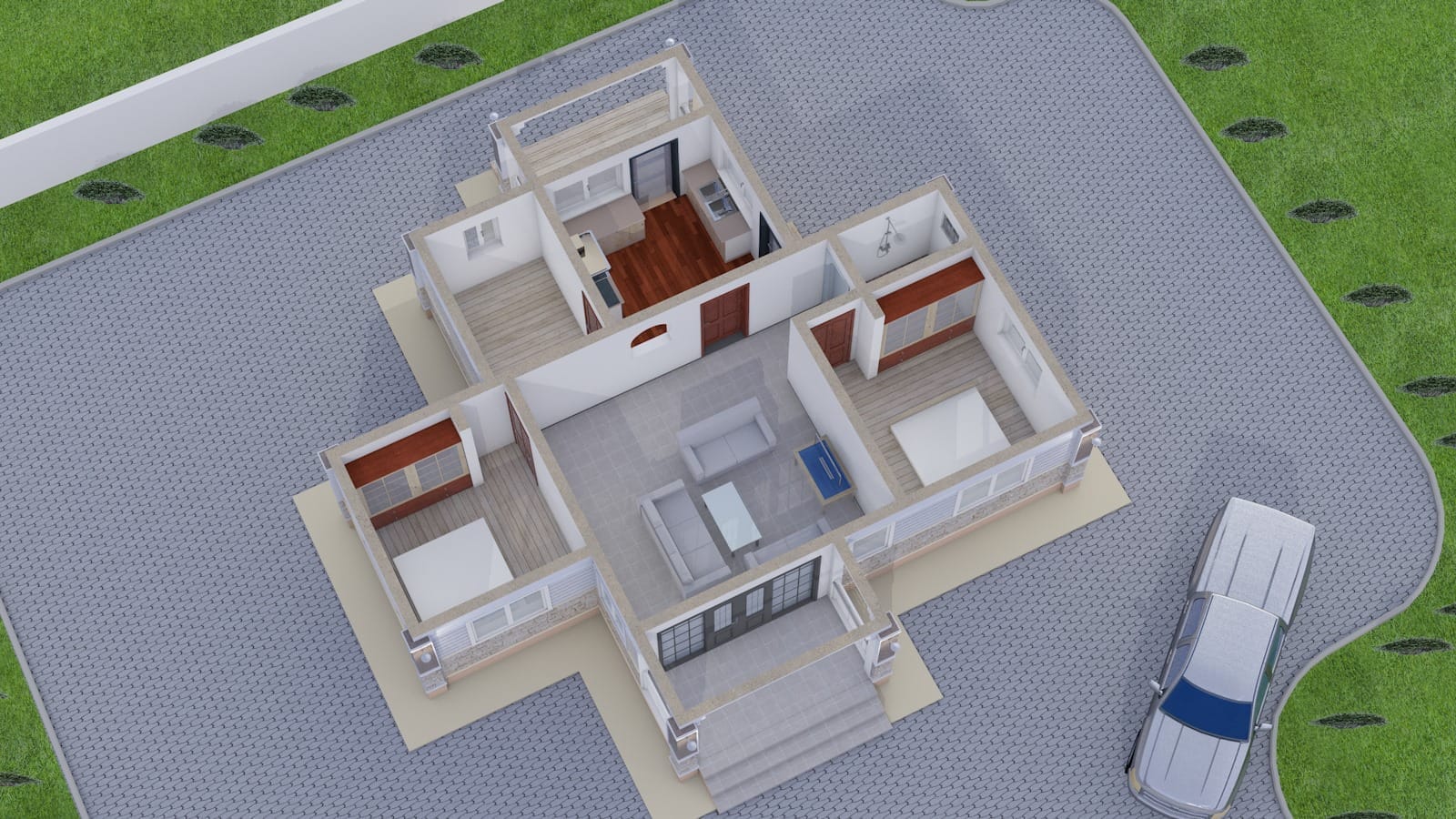
A simple layout makes future expansion easier and more affordable. When designing a house for future expansion, avoid complicated floor plans that make adding new rooms difficult. A well-planned, expandable house plan should allow for seamless growth without major structural changes.
Choose a Basic Shape
The best house expansion ideas work with rectangular or square floor plans. These shapes make it easier to extend walls or build upward without disrupting the home’s overall design. Complex layouts with too many angles, curves, or odd-shaped rooms can increase construction costs and limit expansion options.
Use an Open Floor Plan
Open floor plans make it easier to adjust the layout when expanding. A large living area without too many load-bearing walls allows for flexible changes. If you’re building a small house and adding on later, an open design ensures new rooms integrate smoothly.
Minimize Load-Bearing Walls
Load-bearing walls support the structure, making it harder to modify the layout. When designing a house for expansion later, keep essential support walls to a minimum in areas where you might add new rooms. Using beams or columns instead of solid walls can help keep expansion options open.
Align Rooms for Easy Additions
Position rooms in a way that allows for simple extensions. For example:
- Place bedrooms on one side so you can extend a hallway and add more later.
- Keep living spaces at the center so they remain functional during expansions.
- Arrange bathrooms near existing plumbing to reduce costs when adding another.
Design a Roof That Allows for Growth
Expandable house plans should include a roof that is easy to modify. Gable and shed roofs are easier to extend than complex multi-pitched or curved designs. If you plan to add a second story later, avoid roof designs that make future changes costly or difficult.
Plan for Modular Expansions
A simple layout makes modular additions easier. Prefabricated extensions or modular home designs allow you to expand quickly without major construction delays. This is ideal for build-as-you-grow house plans.
5. Plan the Roof for Additions
If you’re designing a house for future expansion, your roof must support future growth. Whether you’re adding extra rooms, extending the house, or building a second story, the roof design should allow for easy modifications. A poorly planned roof can make expansion costly and complicated.
Choose a Roof Design That Supports Expansion
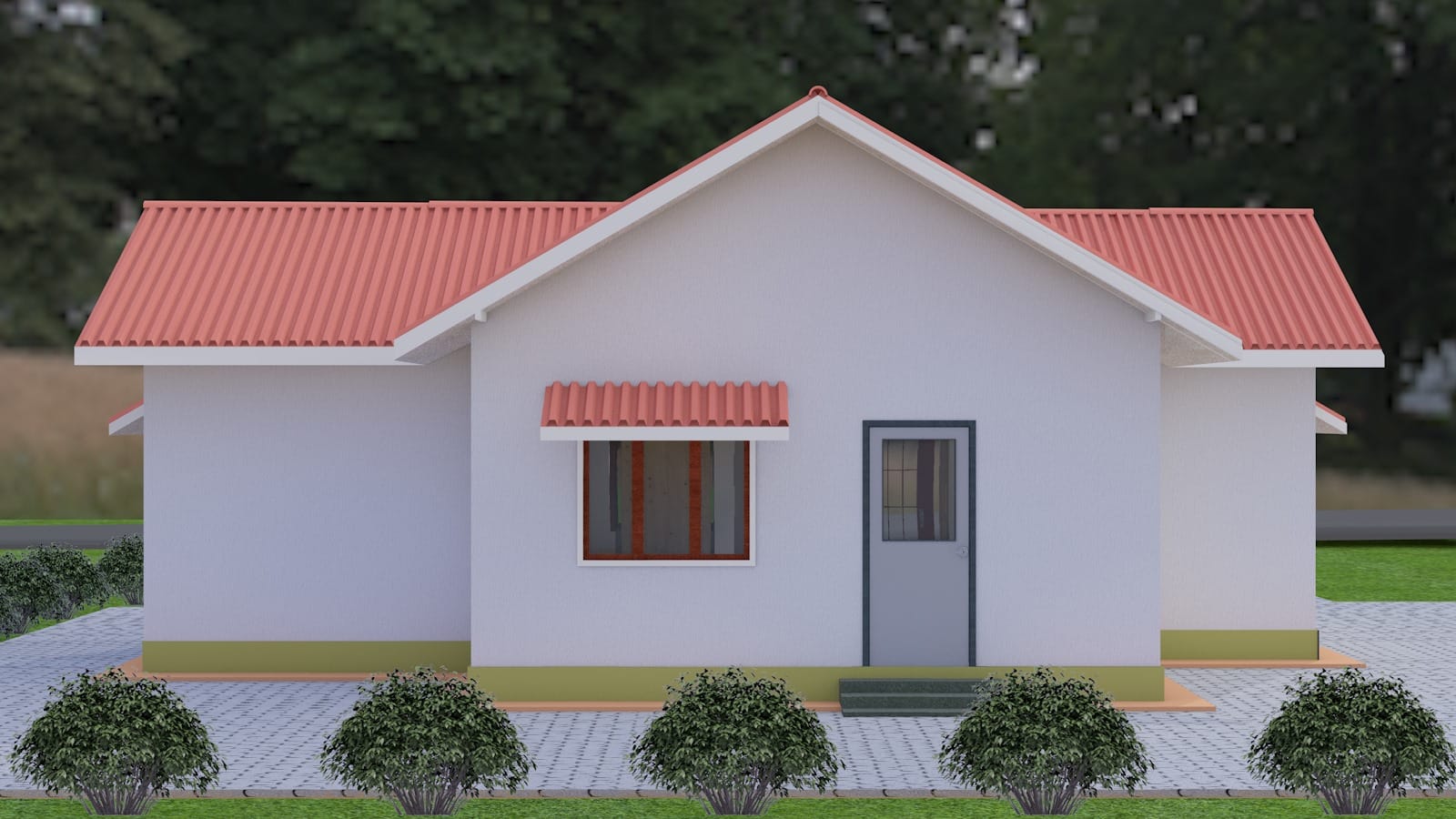
Certain roof styles make house expansion ideas easier to implement. When planning expandable house plans, consider:
- Gable roofs – Their simple, sloped design allows for easy extensions on the sides.
- Shed roofs – A single slope is easy to extend and works well for adding second-story rooms.
- Hip roofs – These are more complex but can still accommodate second-story additions with proper planning.
Avoid intricate roof designs with multiple slopes, dormers, or unusual angles, as they make future expansion more expensive.
Ensure the Roof Can Handle a Second Story
If you’re considering building a small house and adding on later, your roof must support vertical growth. To prepare for a future second story:
- Use a reinforced foundation and load-bearing walls that can support the extra weight.
- Design the roof so it can be removed or modified without affecting the entire structure.
- Consider using attic trusses that allow for an easy conversion into living space.
Use a Modular or Prefabricated Roof System
A modular roof system allows for quicker and easier modifications. Prefabricated trusses or panels can be designed to accommodate future expansions, reducing labor costs and construction time.
Plan Roof Overhangs with Expansion in Mind
Overhangs provide shade and protection, but they must not interfere with future additions. When designing a house for expansion later:
- Keep overhangs minimal in areas where you plan to extend.
- Use removable fascia boards to simplify roof modifications.
- Ensure the gutter system can be adjusted or extended when adding to the house.
Align Rooflines for Seamless Additions
Future expansions should blend well with the original structure. A simple, well-planned roofline prevents awkward connections and maintains the home’s appearance.
Consider Future Skylights and Ventilation Needs
If adding a second story or expanding rooms, ensure proper ventilation. Plan space for future skylights, ridge vents, or additional attic ventilation to maintain energy efficiency.
6. Design a Flexible Floor Plan
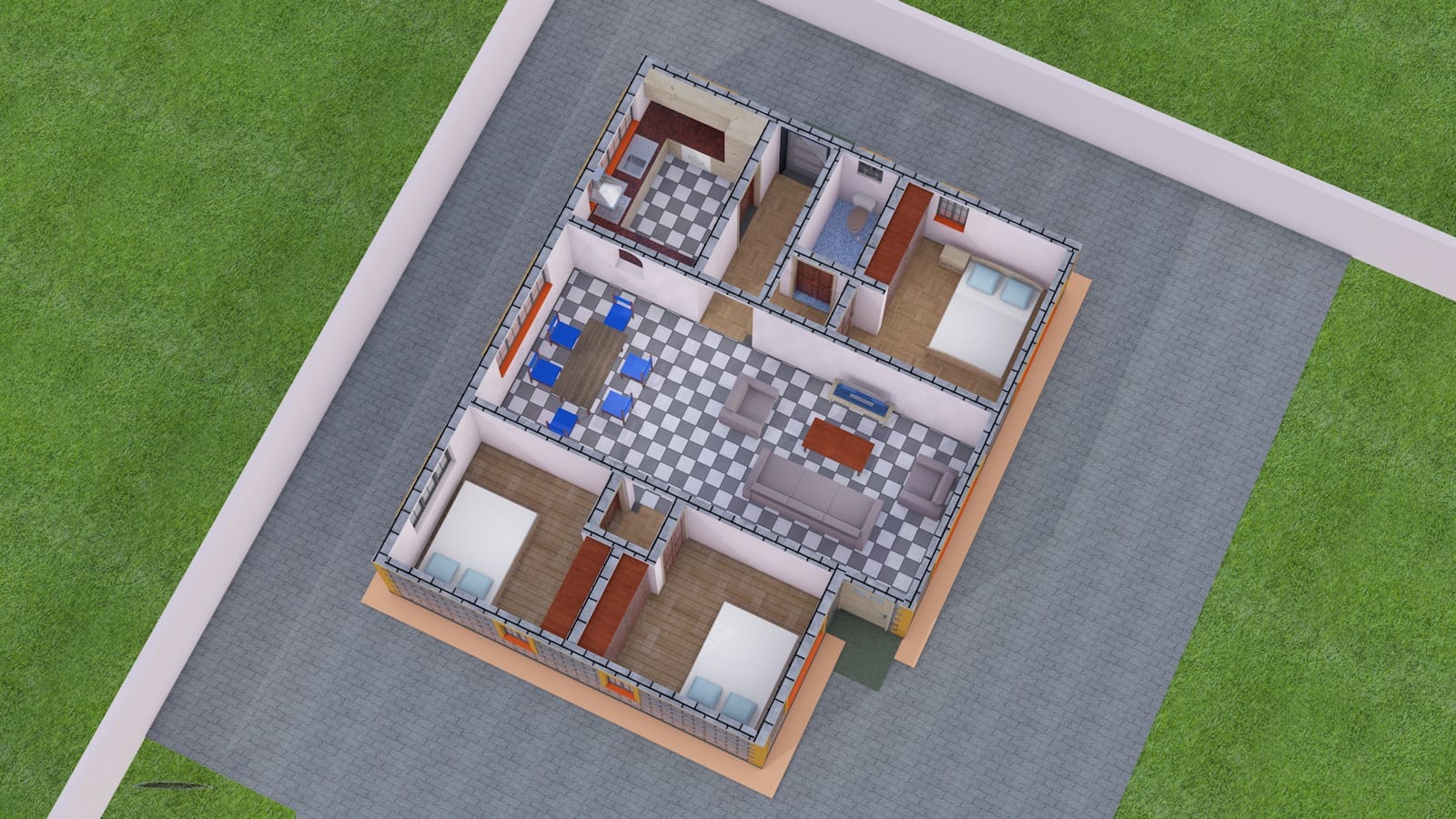
A well-planned floor layout makes future expansion easier. When designing a house for future expansion, flexibility is key. A rigid floor plan can make adding rooms expensive and complicated. A flexible design allows your home to grow with your needs while minimizing costly renovations.
Keep the Layout Open and Adaptable
An open floor plan offers more freedom to adjust spaces. Large, multi-use areas can be reconfigured or extended without major structural changes. Open-concept living, dining, and kitchen spaces allow for seamless house expansion ideas.
Limit Load-Bearing Walls
Load-bearing walls support the structure, making modifications difficult. When planning build-as-you-grow house plans:
- Use beams or columns to support upper floors instead of walls.
- Place necessary load-bearing walls in areas that won’t interfere with future expansion.
- Keep expansion zones free of unnecessary support structures.
Plan Hallways and Entry Points for Growth
When designing a house for expansion later, ensure hallways and doorways allow for smooth transitions.
- Leave space for extended hallways to connect future rooms.
- Place doors and windows where they won’t obstruct future additions.
- Consider using temporary walls or sliding partitions for easy modifications.
Use Multi-Functional Rooms
Rooms that serve multiple purposes make future changes easier. A home office can become a bedroom, and a playroom can convert into a guest suite. Design spaces with flexible functions in mind.
Position Bathrooms and Kitchens Strategically
Plumbing is costly to relocate, so plan bathroom and kitchen placement carefully. Keep these areas close to potential expansion zones so new plumbing connections are easy to install.
Include Space for Future Staircases
If you plan to add a second story later, consider:
- Leaving room for a staircase in an open area.
- Designing the home with a temporary loft or attic that can later be converted.
- Ensuring the ceiling height and structural supports allow for an upper floor addition.
Consider Modular or Prefabricated Elements
Expandable house plans benefit from modular designs. Prefabricated sections allow for quick expansions without altering the original structure significantly.
7. Include Knockout Panels
Knockout panels are sections of your walls designed for future openings. These are pre-planned spots where you might add doors or windows later. The idea is simple: make expanding your home easier when the time comes.
When designing a house for growth, knockout panels save you time and money. Without them, you might have to tear down walls or redo parts of the structure. With knockout panels, you can add openings without major construction.
These panels are usually hidden behind drywall. They are marked and ready to be cut open when needed. By planning for future changes, you avoid costly changes later.
Including knockout panels in your design lets you grow your home with less hassle. It’s a small step now that makes a big difference down the road.
8. Position Utilities for Growth
Planning utilities for future growth is key to making expansion easier. Think about where plumbing, electrical, and HVAC systems might need to go when you add more space.
When designing your home, run pipes, wires, and vents to areas where you plan to expand. This saves you from tearing up floors or walls later.
It’s also important to size systems for growth. A larger home will need more power, water, and air conditioning. Design with that in mind from the start.
By preparing utilities ahead of time, you’ll save money and avoid major headaches. When it’s time to expand, your home will be ready.
9. Build with Expansion-Ready Materials
Using the right materials makes future expansion easier and cheaper. Choose materials that are easy to add onto, like modular panels or prefabricated walls. These are quick to install and designed for growth.
Durable, long-lasting materials also help keep costs down when you expand. Strong, solid materials like steel or concrete can handle extra weight and won’t need replacing when you add new rooms.
By building with expansion-ready materials, you make sure that adding space later won’t require major upgrades. This keeps your project on budget and your home solid for years to come.
Plan for Staged Construction
If you’re starting with a small budget or want to build your home in phases, it pays to select house plans and materials that make staged construction straightforward. Look for layouts that include structural provisions for adding on in the future—such as reinforced walls, accessible framing, and clear expansion zones—so you can build in stages without major disruption or costly rework.
Some designs even offer adaptable spaces, like garage apartments or guest suites, that can serve as your home while you finish the main house. Later, these versatile spaces can transition into rental units, in-law suites, or guest quarters, adding value and flexibility.
Visualize and Prepare for Future Growth
Many expandable house plans include detailed construction drawings and 3D renderings, helping you picture both the initial build and future expansions. This clarity not only helps you plan but can also lead to savings by minimizing mistakes and avoiding unnecessary changes down the line.
Whenever possible, opt for plans that provide clear documentation, including options for reversing layouts or accommodating multiple uses. This flexibility ensures your home can easily adapt as your needs—and family—grow.
By combining thoughtful planning, proven construction details, and the right materials, you’ll set your home up for smooth, affordable expansion whenever the time is right.
10. Work with an Expert
Designing a home for future expansion is not a DIY task. You need an expert who understands the complexities of planning ahead. That’s where Nyolenju Structures comes in.
Nyolenju Structures is the best choice for designing house plans with future growth in mind. Their team of professionals knows how to plan for expansion, ensuring your home can grow as your needs change.
They’ll help you choose the right lot, position your house for expansion, and select materials that make adding on later easier. They’ll also ensure your utilities are set up to handle future growth.
Working with Nyolenju Structures gives you peace of mind. Their expertise ensures your home is built to grow without expensive surprises down the line.
By partnering with Nyolenju Structures, you’re setting yourself up for a home that adapts to your changing needs, both now and in the future.
Final Thoughts
Designing a home with future expansion in mind gives you flexibility and saves money. It’s a smart way to build for today while preparing for tomorrow. By planning for growth early, you ensure your home can adapt to your changing needs without costly renovations later.
If you’re ready to start planning your expandable home, get in touch with Nyolenju Structures. Our team specializes in creating well-designed, flexible house plans that grow with you. Contact us today to bring your vision to life and ensure your home is ready for the future!